July 19-26, 2026 - AirVenture 2026
EAA Museum
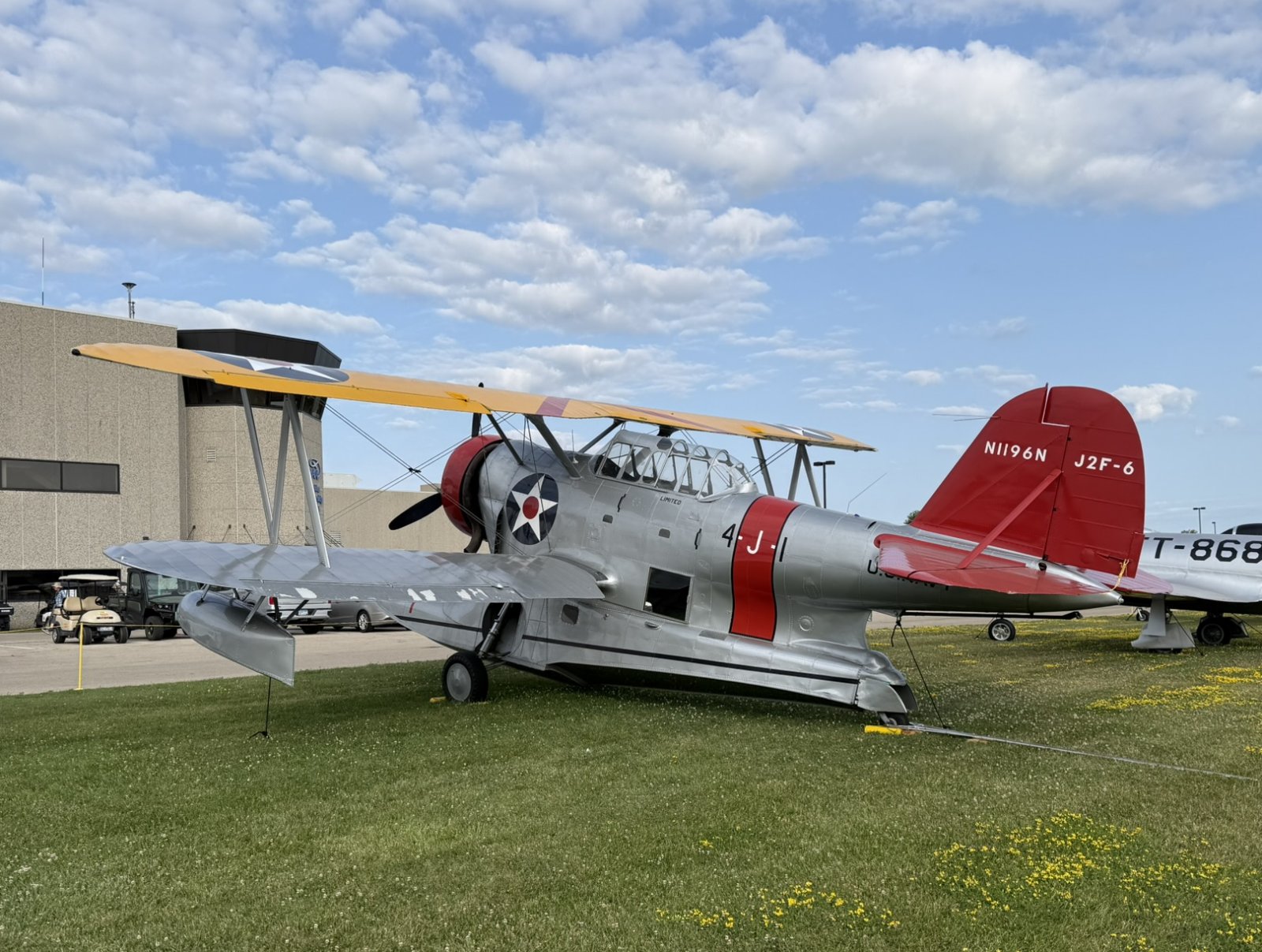
The Grumman Duck is one of the strangest—and most useful—airplanes Grumman ever built. It was a single-engine amphibious biplane designed in the early 1930s for the U.S. Navy, and it eventually served essentially every major U.S. military service.
What makes it particularly interesting is that it wasn't really a flying boat with wheels added. The main float was built as an integral part of the fuselage, giving the airplane a remarkably clean and strong amphibious configuration. Itw was used for almost everything you could imagine for a small military amphibian.
About 580 J2F Ducks were built. Production of the Duck was transferred from Grumman to Columbia Aircraft Corporation during WWII because Grumman needed to concentrate on fighters and other wartime production.
Although Grumman is best remembered for aircraft like the F4F Wildcat, F6F Hellcat, F8F Bearcat, F-14 Tomcat and Lunar Module, the humble Duck was an important part of the company's early identity. The Duck came before the Grumman Goose, Widgeon, Albatross and Mallard. Grumman's experience with the Duck helped establish the company's expertise in amphibious aircraft.
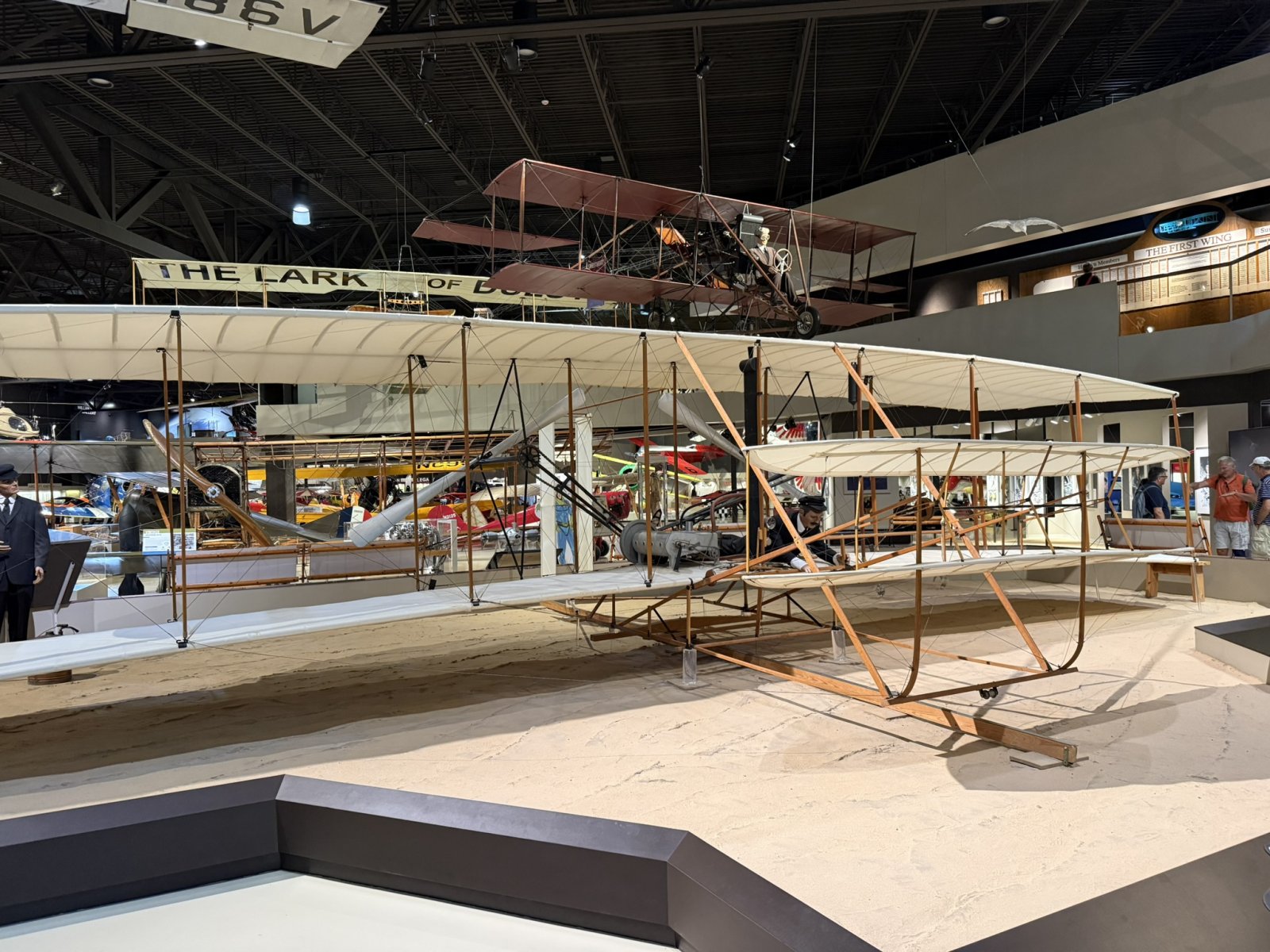
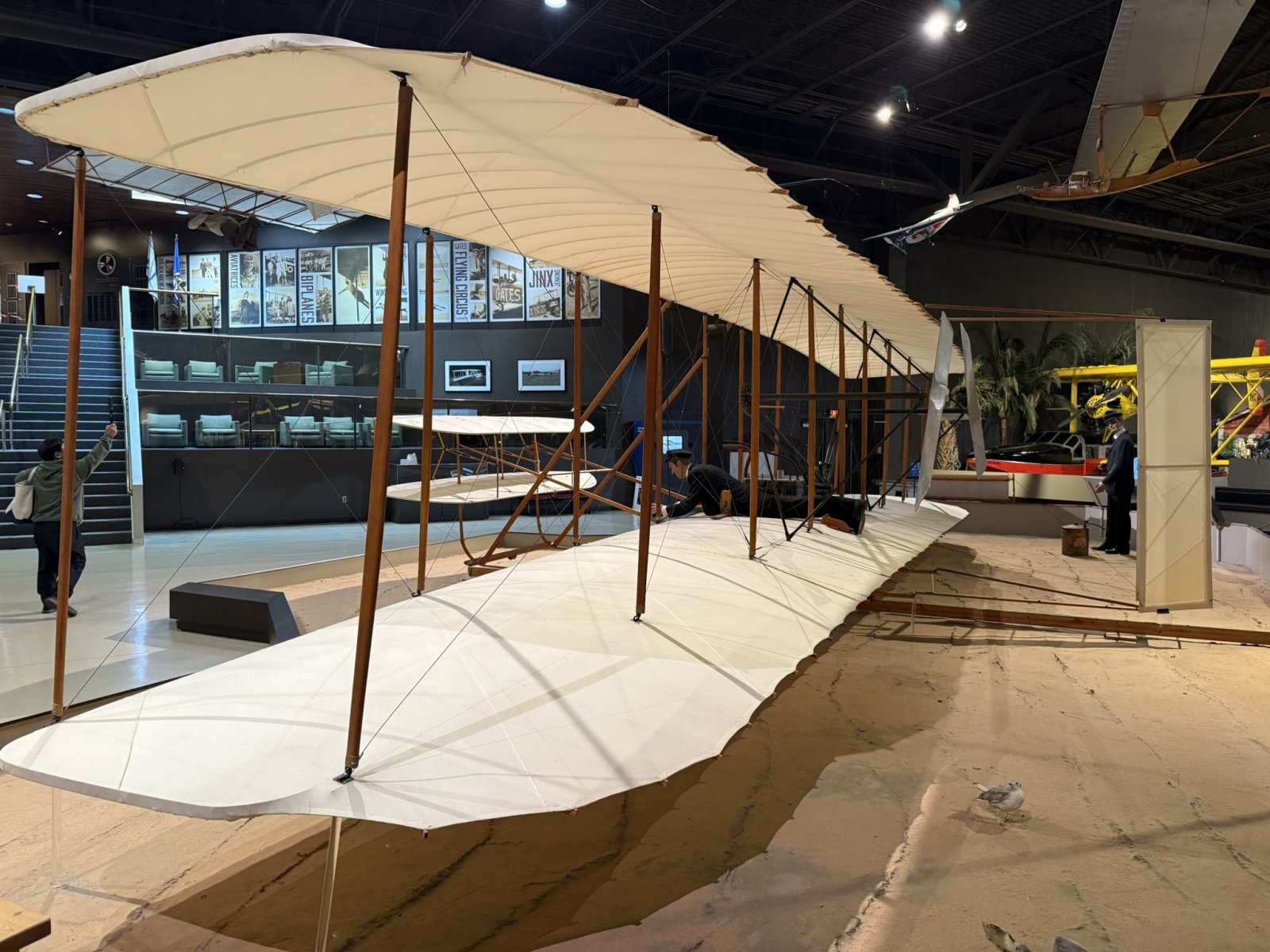
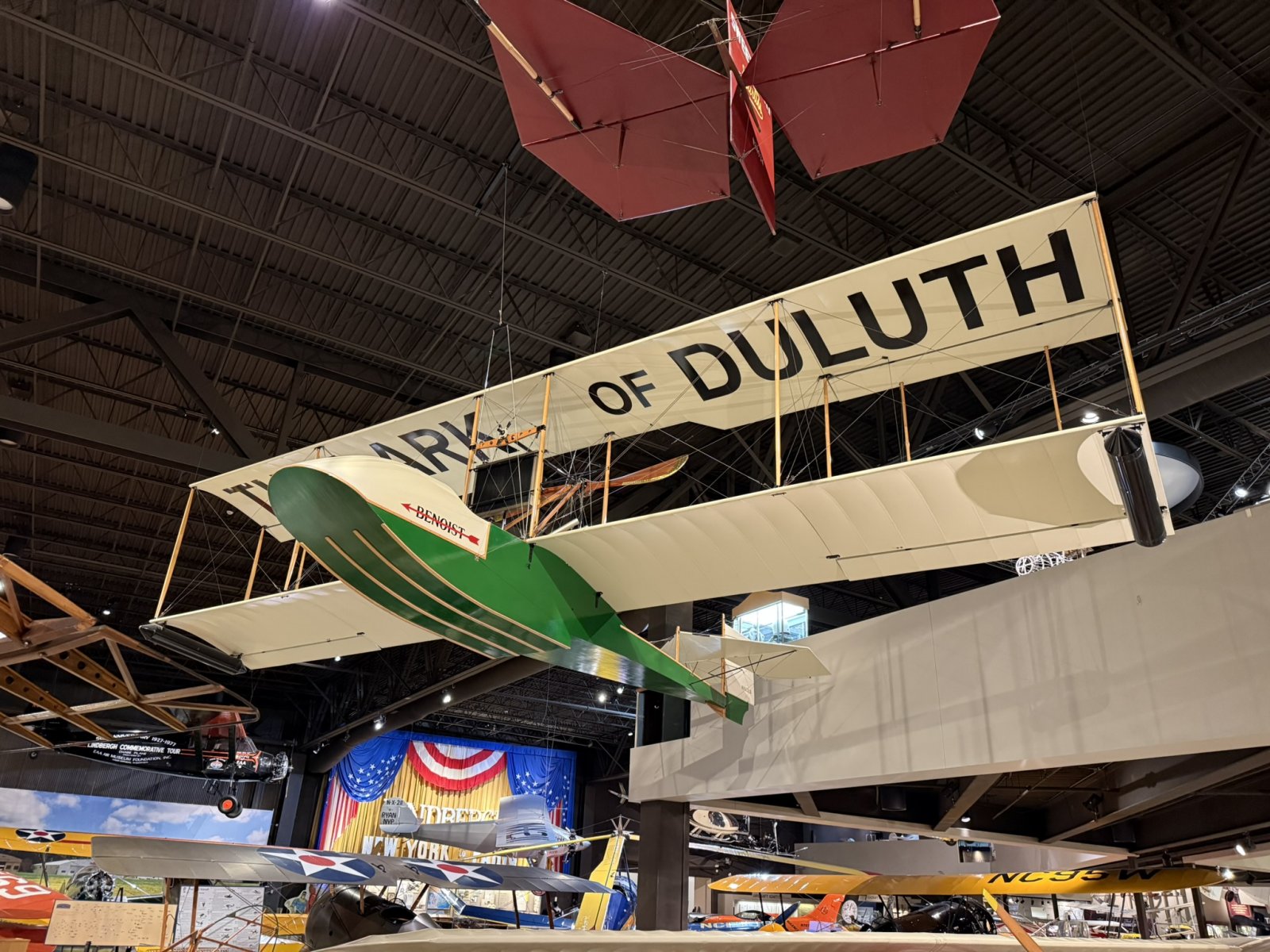
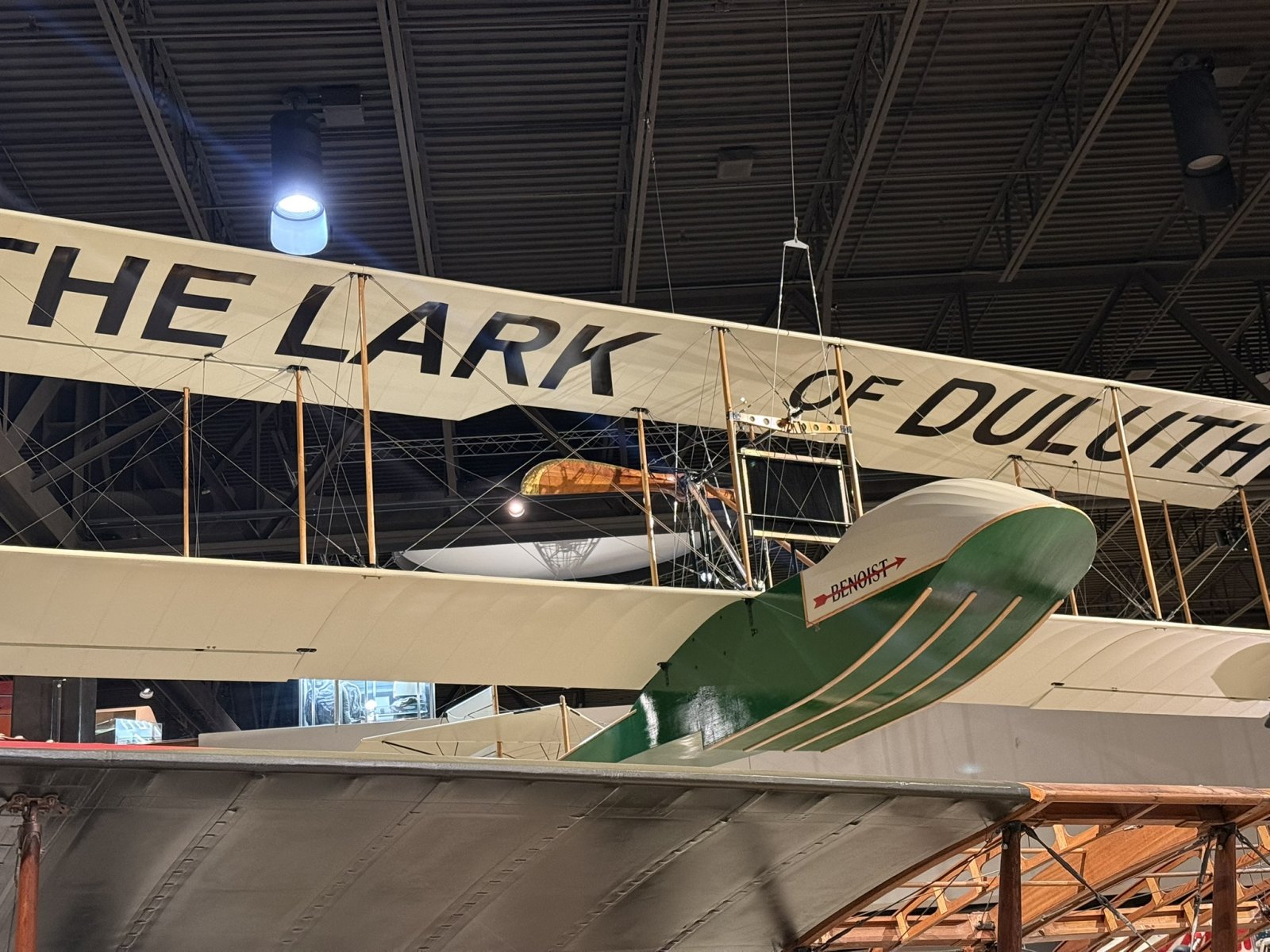
In 1913, Duluth businessman Julius Barnes became fascinated with aviation. He bought a Benoist XIV from the Benoist Aircraft Company in St. Louis for about $5,000 and had it shipped by railroad to Duluth, Minnesota. At the time, airports essentially didn't exist, so the airplane's natural "runway" was Lake Superior. It had a 75-hp Roberts engine, pusher propeller, and a 64 mph top speed.
Tony Jannus and his brother Roger realized that the airplane might be useful for something more than exhibition flights. They proposed taking it to Florida and developing a scheduled passenger service.
The Lark was modified—among other things, the wings were lengthened—and shipped by rail to St. Petersburg, Florida, arriving on December 31, 1913.
The St. Petersburg-Tampa Airboat Line had been organized by Percival Fansler, with Benoist and the Jannus brothers involved.
At about 10 a.m. on January 1, 1914, Tony Jannus climbed into the Lark of Duluth with Abram C. Pheil, the former mayor of St. Petersburg. They took off from St. Petersburg and headed across Tampa Bay toward Tampa. The route was approximately 22 miles, and the flight took about 23 minutes. That flight is generally recognized as the beginning of scheduled heavier-than-air airline service.
The Lark and its sister Benoist XIV, named Florida, carried passengers between St. Petersburg and Tampa on a scheduled basis. During the roughly four-month operation, the two airplanes reportedly carried about 1,205 passengers. The economics, however, were terrible. So the world's first airline lasted only about four months.
The original is long gone; a team of EAA members built this replica.
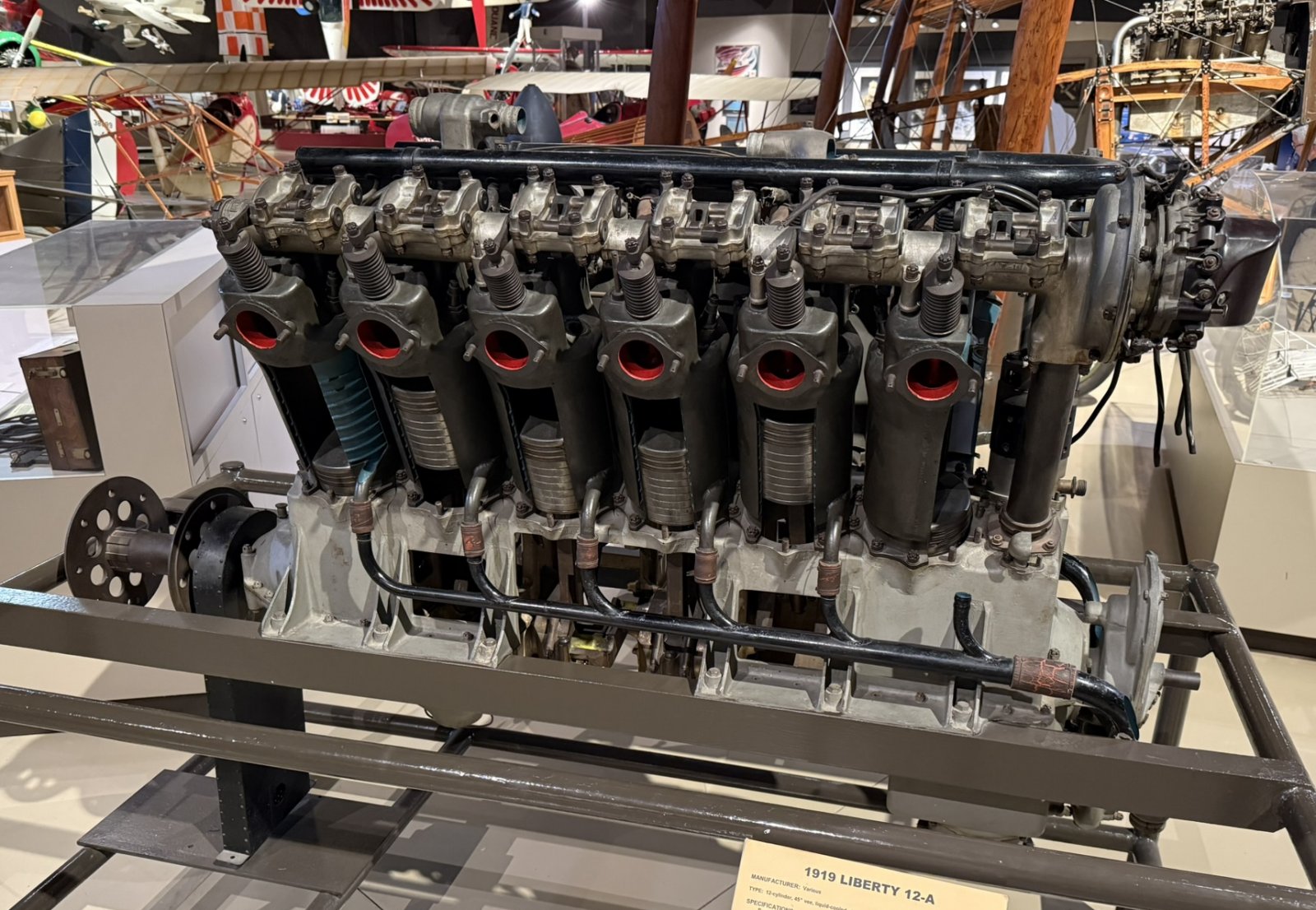
A Liberty 12-A, the engine that powers the Douglas World Cruiser (and also the Navy-Curtiss NC-4 and U.S.-built DH-4). It weighs 844 pounds, has 12 cylinders and puts out about 400 hp at 1,800 rpm.
When the United States entered WWI in April 1917, America didn't have a suitable mass-produced high-power aircraft engine. The government wanted a standardized engine that could be manufactured by several American automobile companies. Two engineers -- Jesse G. Vincent, chief engineer of Packard and Elbert J. Hall, of Hall-Scott Motor Co. -- were brought together and they essentially locked themselves away in Washington in late May/early June 1917 and designed the basic Liberty engine in about five days.
The philosophy was clever: don't invent everything from scratch. Use proven components and manufacturing techniques wherever possible. It was deliberately designed so that multiple automobile manufacturers could build interchangeable engines. More than 20,000 Liberty-12s were eventually produced.
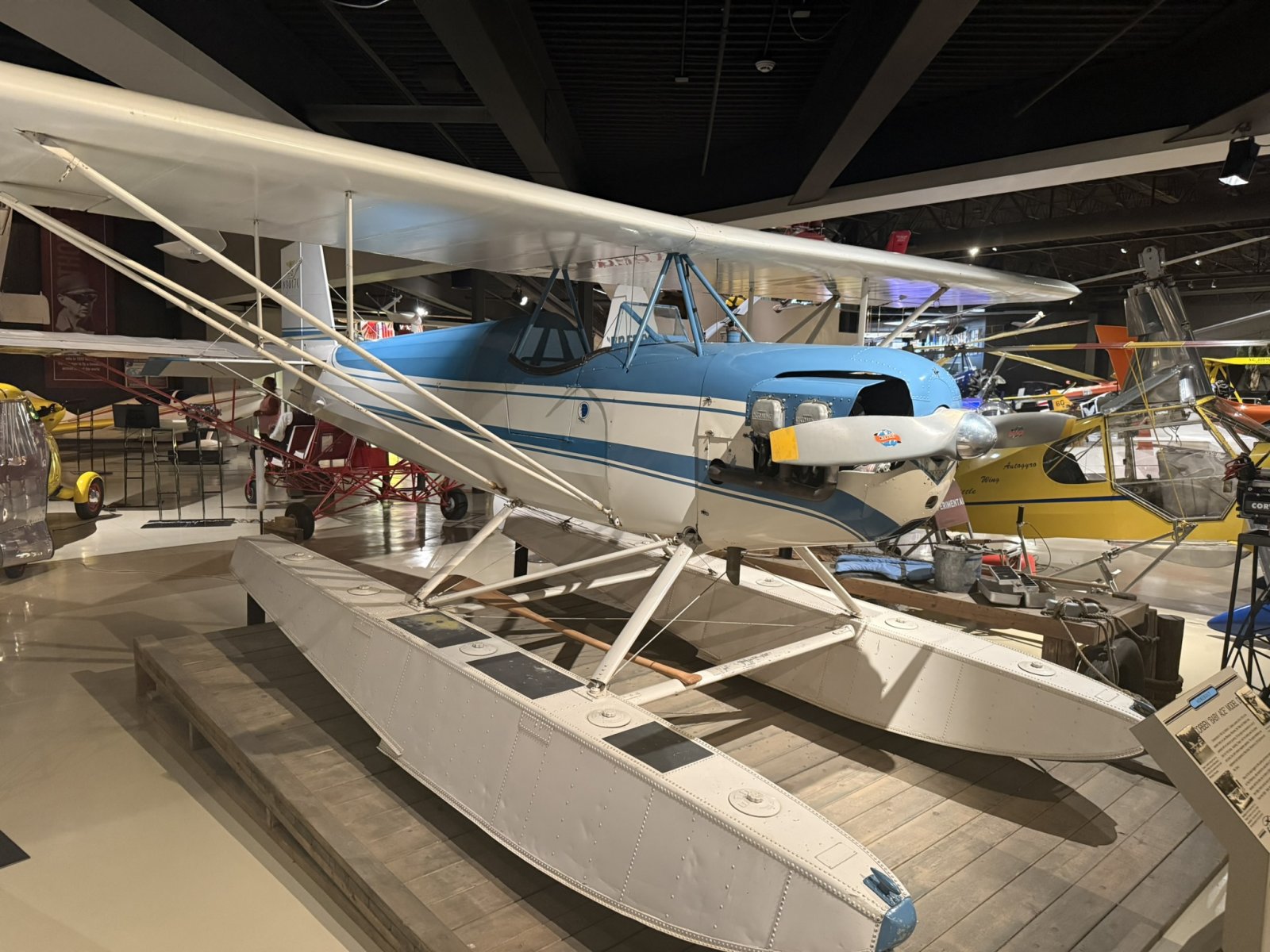
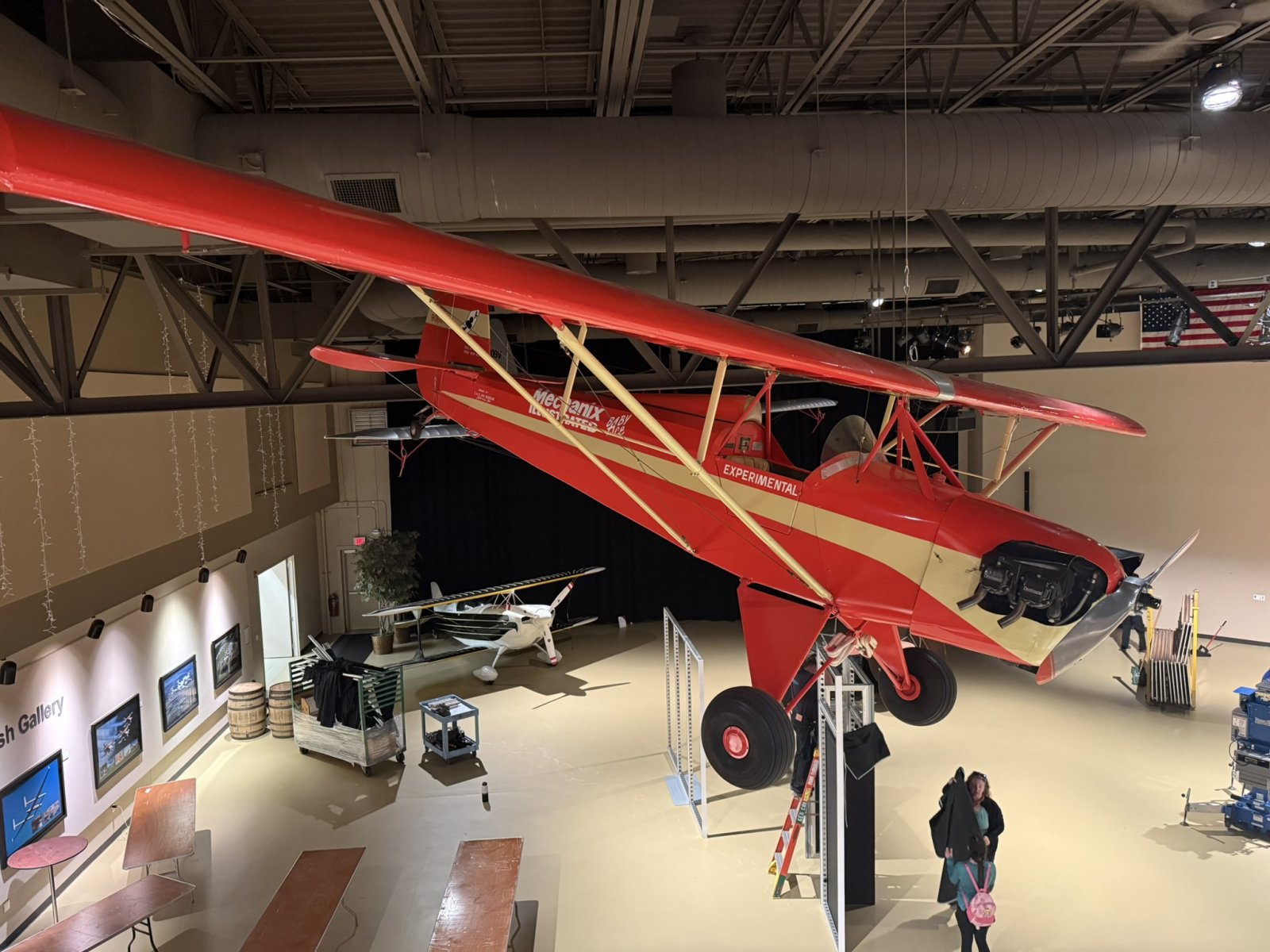
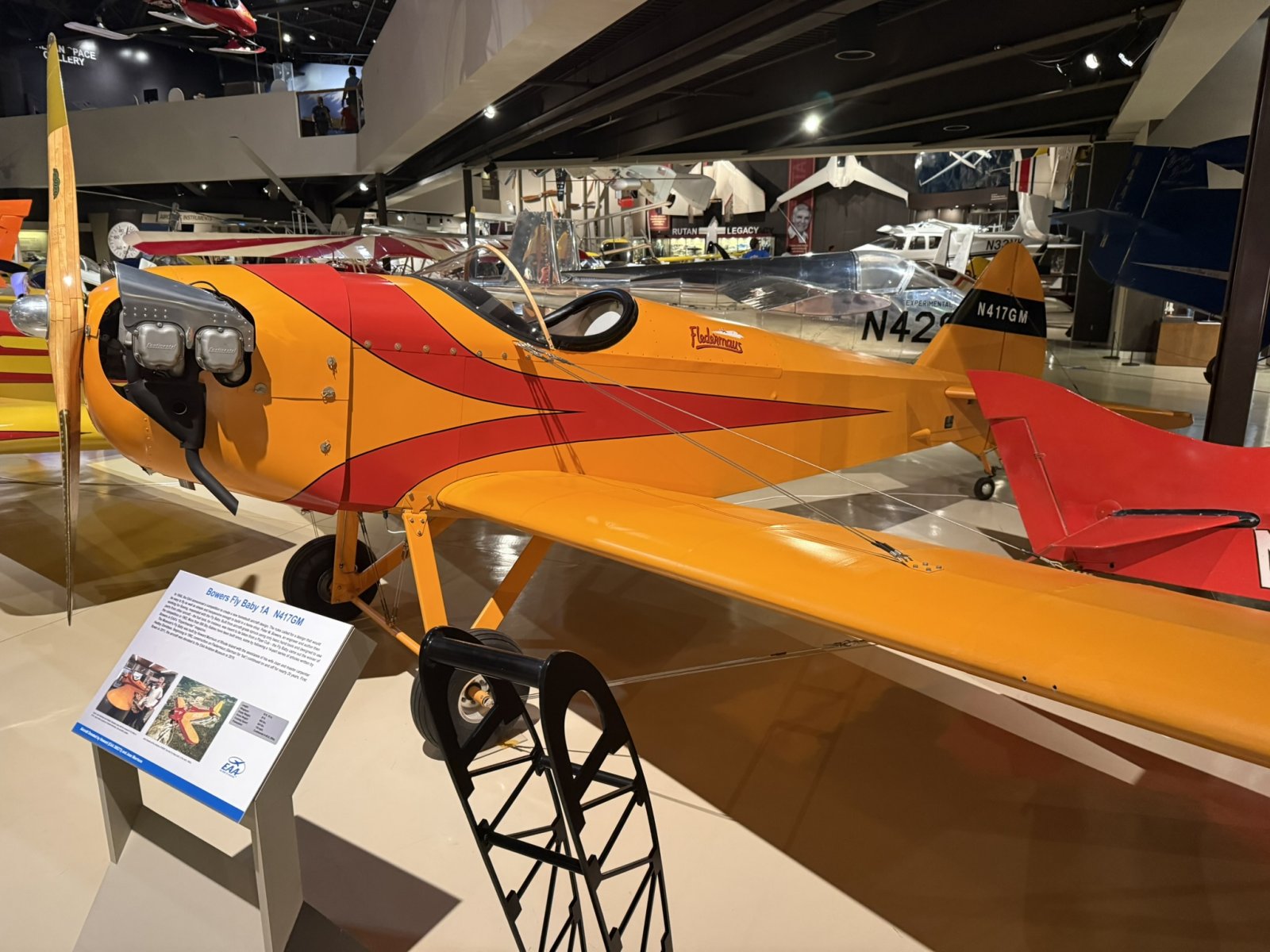
In 1960, EAA announced a design competition for a homebuilt airplane. The requirements were wonderfully practical: inexpensive to build, easy to fly, simple construction, folding wings, capable of being towed or trailered, and small enough to be stored in an ordinary garage.
Peter M. Bowers, a Seattle-area aviation engineer, designer and writer who later became one of America's best-known aviation historians, designed the Fly Baby specifically around those requirements. His prototype, N500F, first flew on July 27, 1960. The competition was ultimately postponed until 1962 because there weren't enough entries initially, and the Fly Baby won the 1962 EAA Design Contest. Bowers spent about 720 hours building N500F and reportedly spent only about $1,050 on it.
The original Fly Baby, N2500F, now resides in the Museum of Flight in Seattle.
More than 500 Sky Babies have been built.
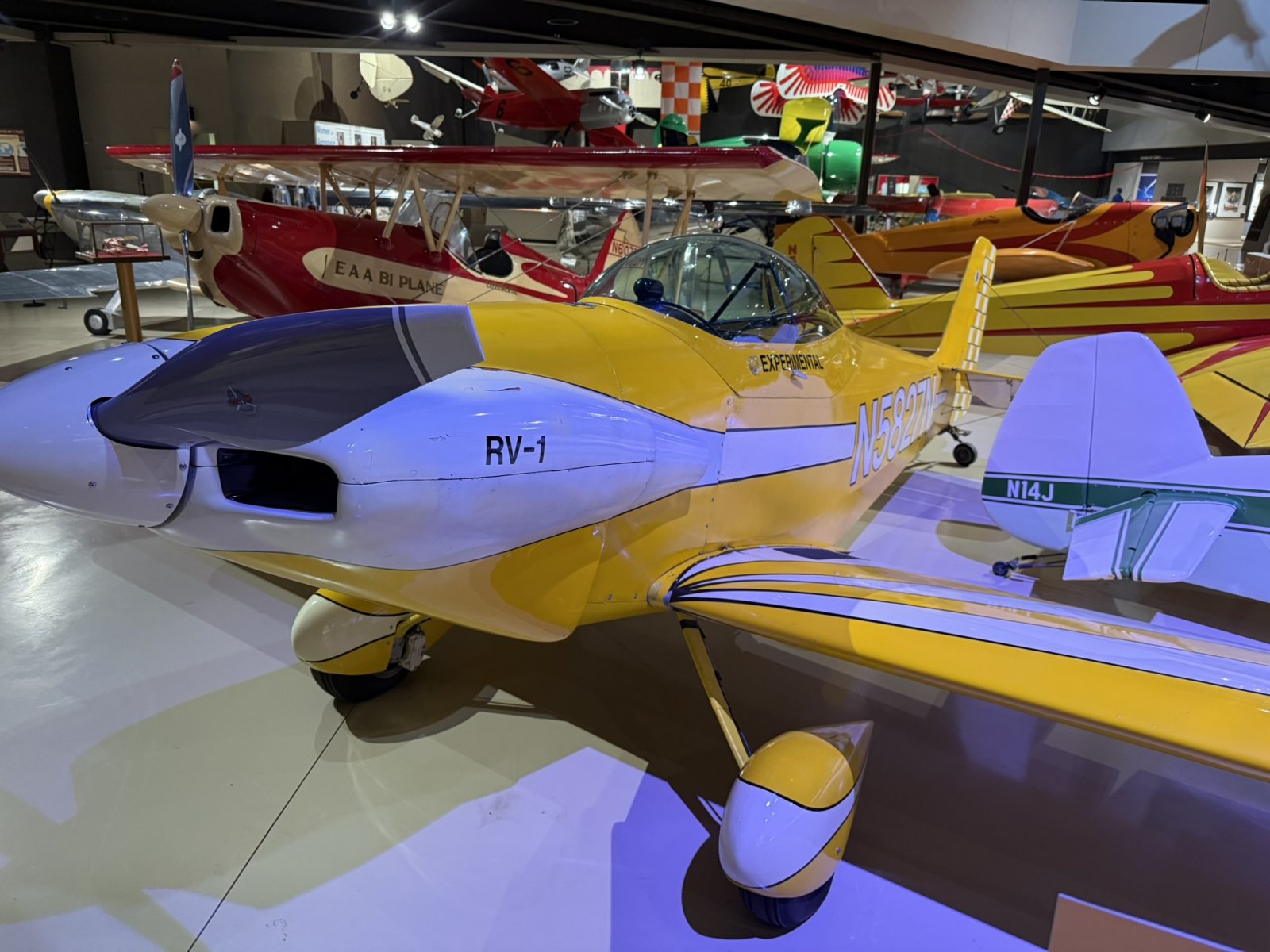
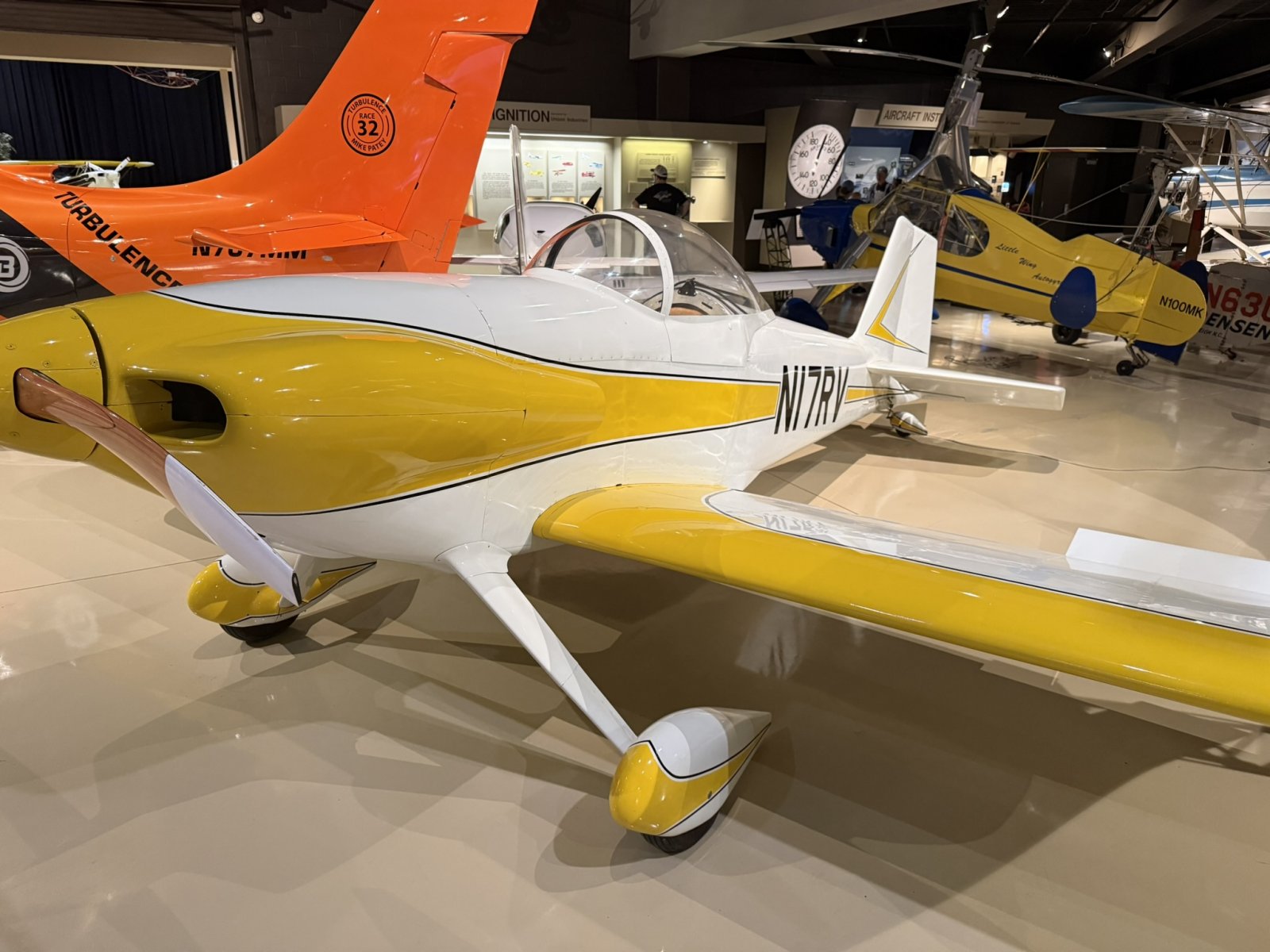
The RV-1's performance convinced Van that he was onto something. So rather than continuing to modify the Playboy, he eventually decided to design an airplane from scratch. That became the RV-3, pictured here, which is the original prototype.
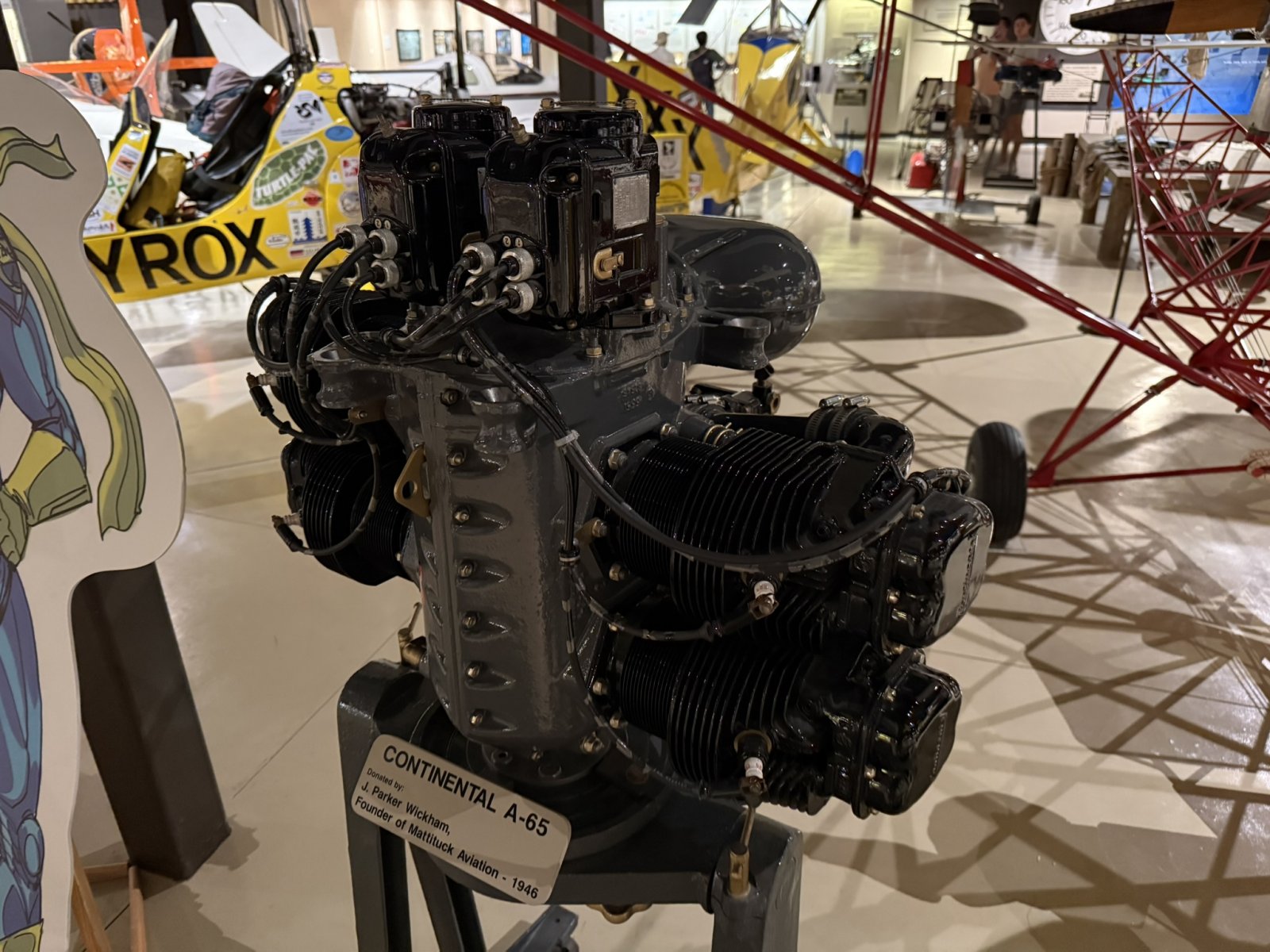
The Continental A-65 is one of those engines that looks almost insignificant today—just a 65-hp, four-cylinder flat-four—but it was one of the engines that created American light aviation. The A-65 powered an enormous number of the classic airplanes and homebuilts that established the American flying culture.
Continental had been building engines since the early 1900s, but its big breakthrough in light aviation was moving to small, horizontally opposed four-cylinder engines. The A-40 appeared in 1930, and Continental introduced the A-50 in 1938. The A-65 followed shortly afterward.
The key to the engine was low power, low rpm, low compression, simple construction and relatively low weight. It wasn't trying to be a high-performance engine. It was trying to keep running.
The A-65 runs at only 2,300 rpm, and with a relatively large, slow-turning propeller it produces that characteristic deep, slow, "putt-putt" Continental sound. The engine produces only about 0.38 hp per cubic inch. The engine isn't highly stressed. It doesn't need turbocharging, high compression, sophisticated ignition, or complicated fuel injection. Early versions were commonly hand-propped because many installations didn't even have starters or generators. The A-65 basically says: "Give me fuel, air, oil and a spark, and I'll keep turning."
Of course the A-65 powered the famous Piper J-3 Cub. Together they helped create the postwar American general-aviation market. It the homebuilder's go-to engine as well. More than 10,000 A-65s were built between 1938 and 1966.
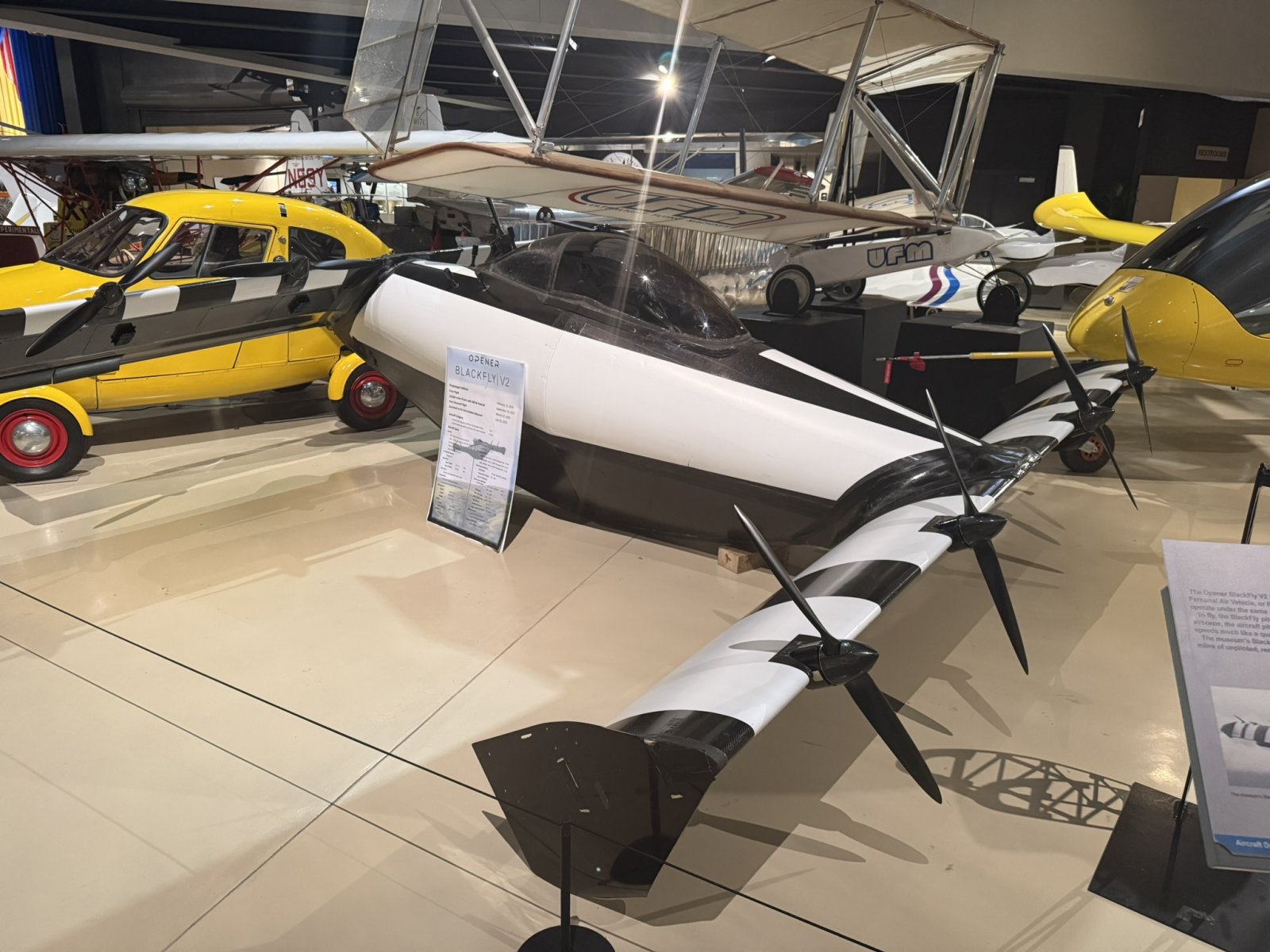
This Opener BlackFly V2 is one of the earliest serious attempts to make an all-electric, fixed-wing vertical takeoff and landing (VTOL) aircraft that an ordinary individual could actually fly.
Opener launched an Early Access Program in 2023, intended to put BlackFlys into the hands of selected private owners and use their experience to move toward general commercialization but it wasn't successful.
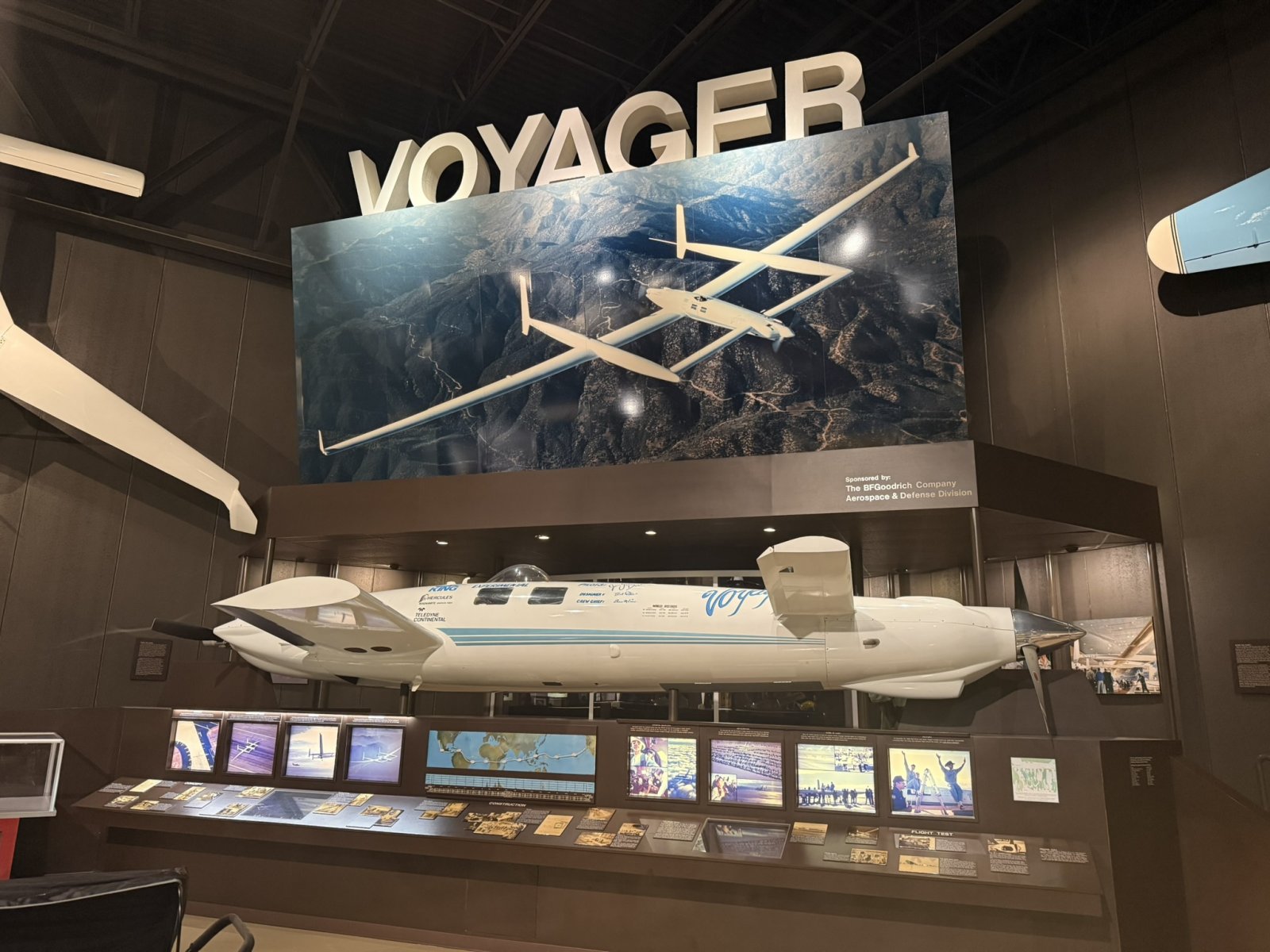
It wasn't a fast airplane -- it's official average speed was only about 116 mph -- but it was an extremely efficient airplane.
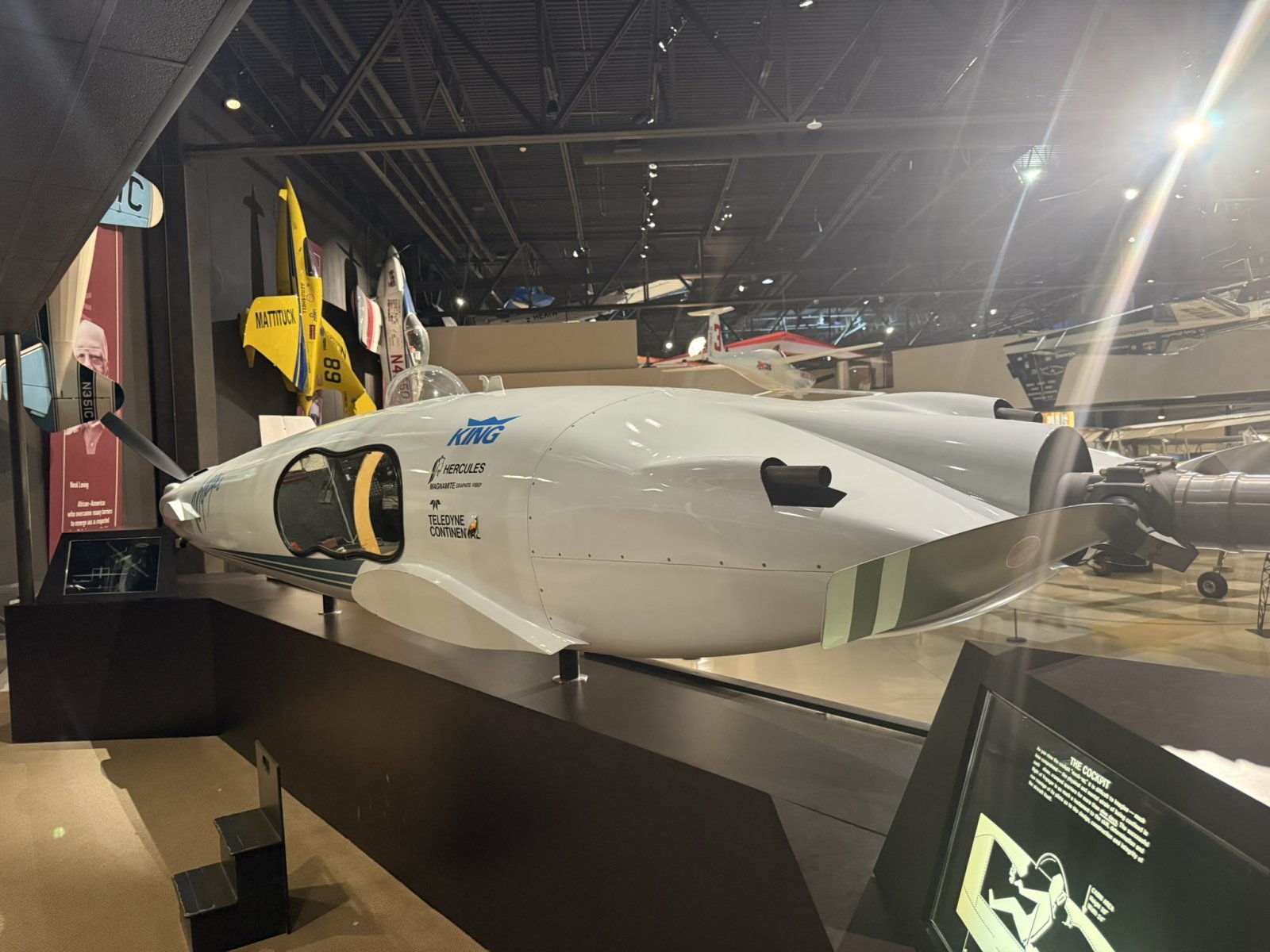
The flight was an enormous physiological challenge as well as an aviation one. Dick Rutan and Jeana Yeager were essentially trapped together in a tiny cockpit for nine days. The cabin was extraordinarily cramped, with the cockpit only about 1.8 feet wide, and the crew had to take turns flying and lying down in the tiny rear cabin area. They they had to deal with continuous engine noise, sleep deprivation, dehydration, extreme fatigue, turbulence, weather, fuel management, navigation and engine issues.
Over the Pacific the Voyager encountered tropical storms and severe turbulence. The airplane was so light and flexible that the turbulence pushed it into 90-degree banks during the flight.
At one point, the rear engine experienced fuel starvation and stopped. It was out for about four minutes before they got it running again.
Voyager landed with only about 106 pounds of fuel remaining—roughly 15 gallons.
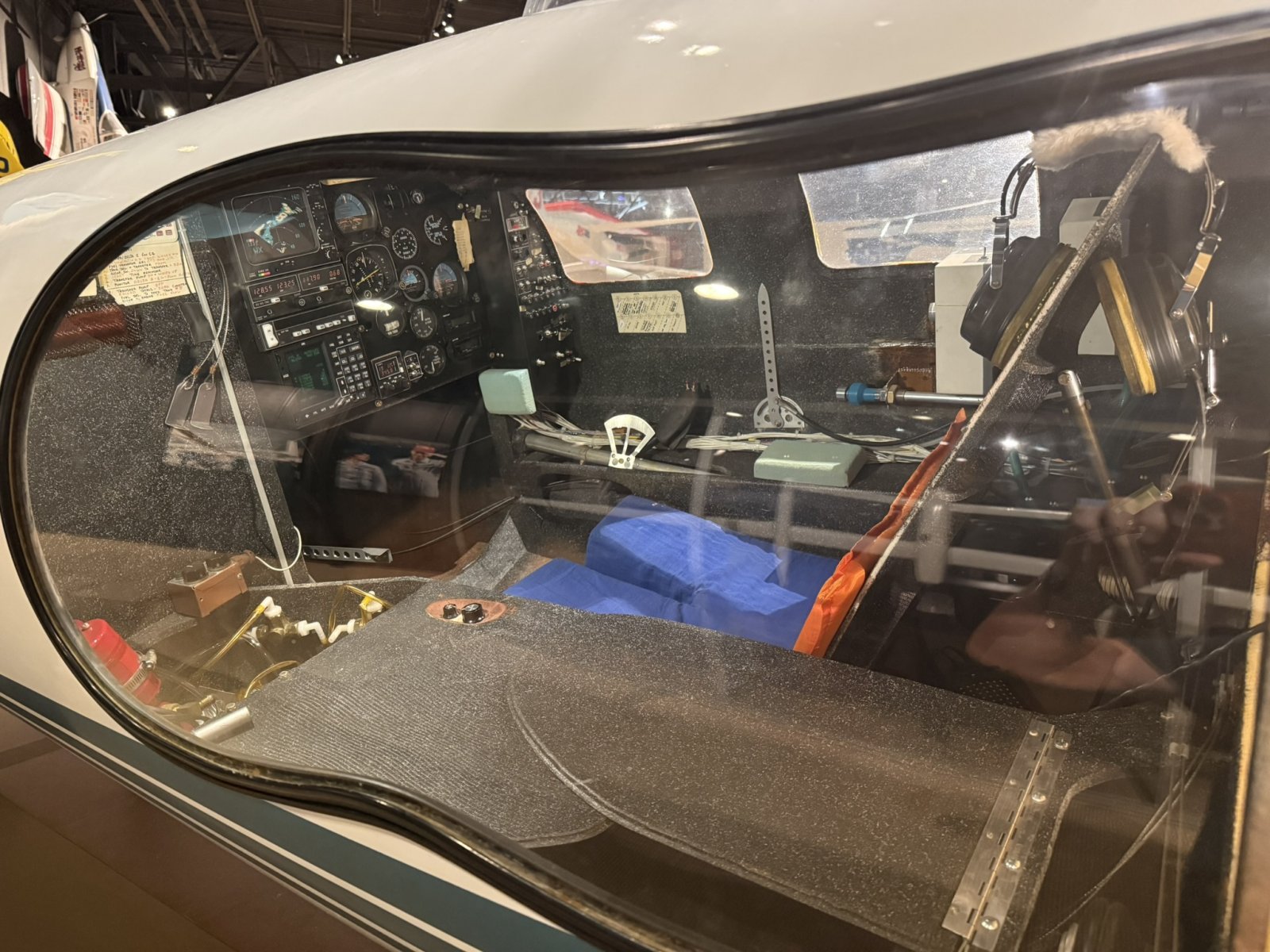
The Voyager project began around 1982. Burt Rutan designed it, while Dick Rutan, Jeana Yeager, Bruce Evans and a large group of volunteers did much of the actual construction and development. The airplane took approximately 22,000 work hours and more than 18 months of construction.
The first flight occurred on June 22, 1984.
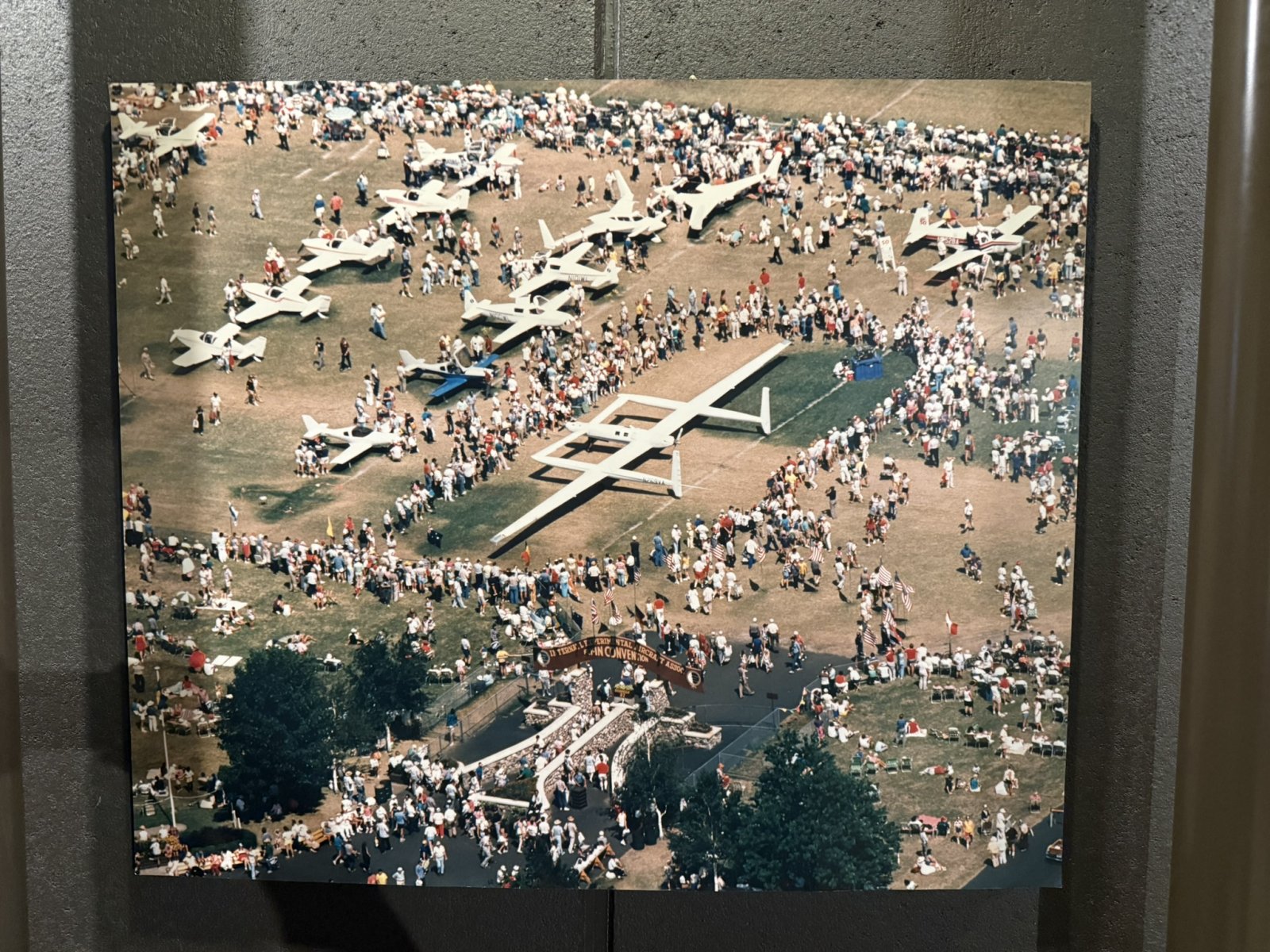
During the two and a half years of testing and improving the airplane, they flew it to Oshkosh where as you might expect it was the star of the show.
The historic flight began December 14, 1986 and concluded on December 23, 1986.
After the flight, upon receiving recognition from President Reagan, Dick Rutan said, "We are very fortunate indeed to live in America where we are free two take these risks and make these accomplishments."