July 19-26, 2026 - AirVenture 2026
Light Sport - Ultralights
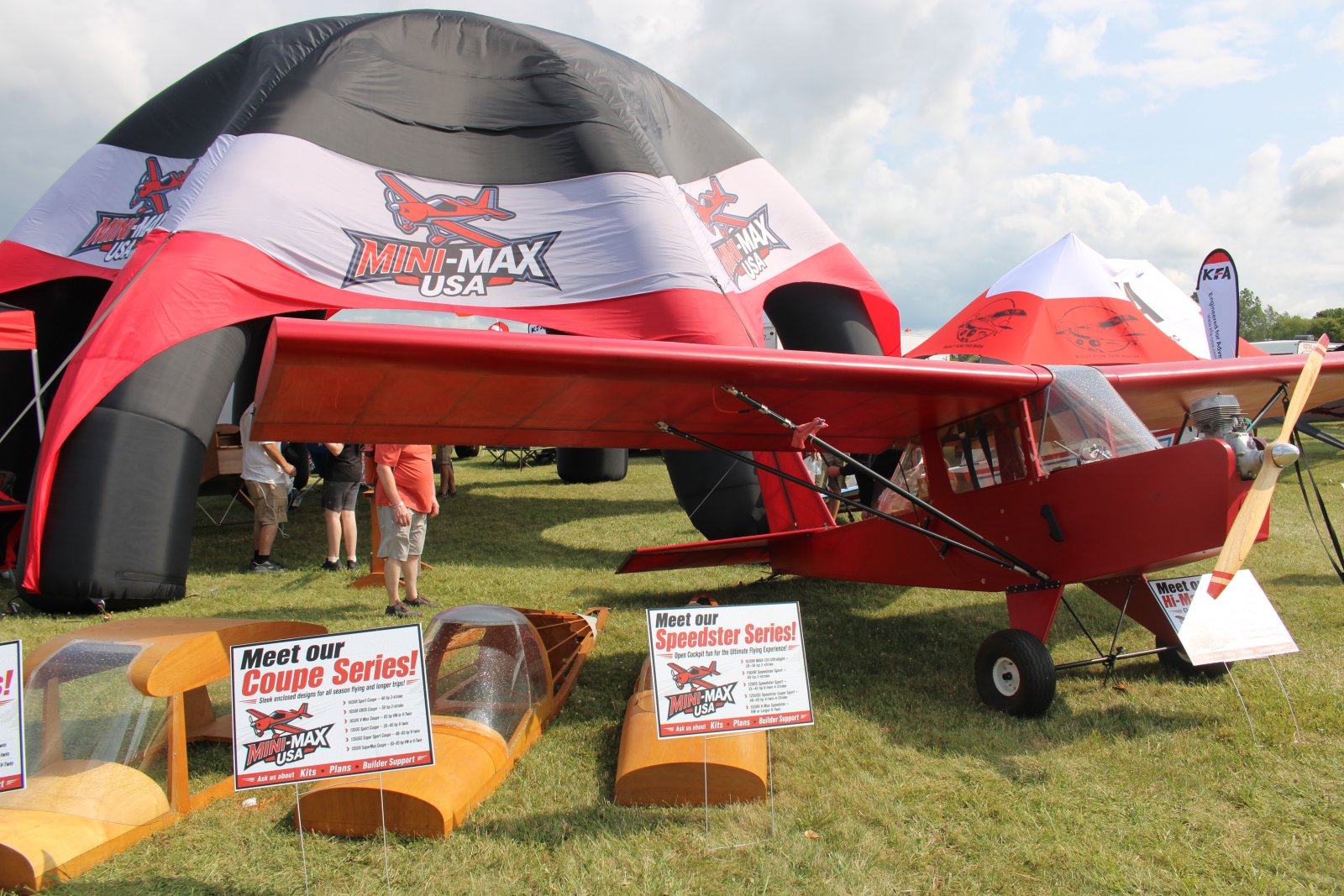
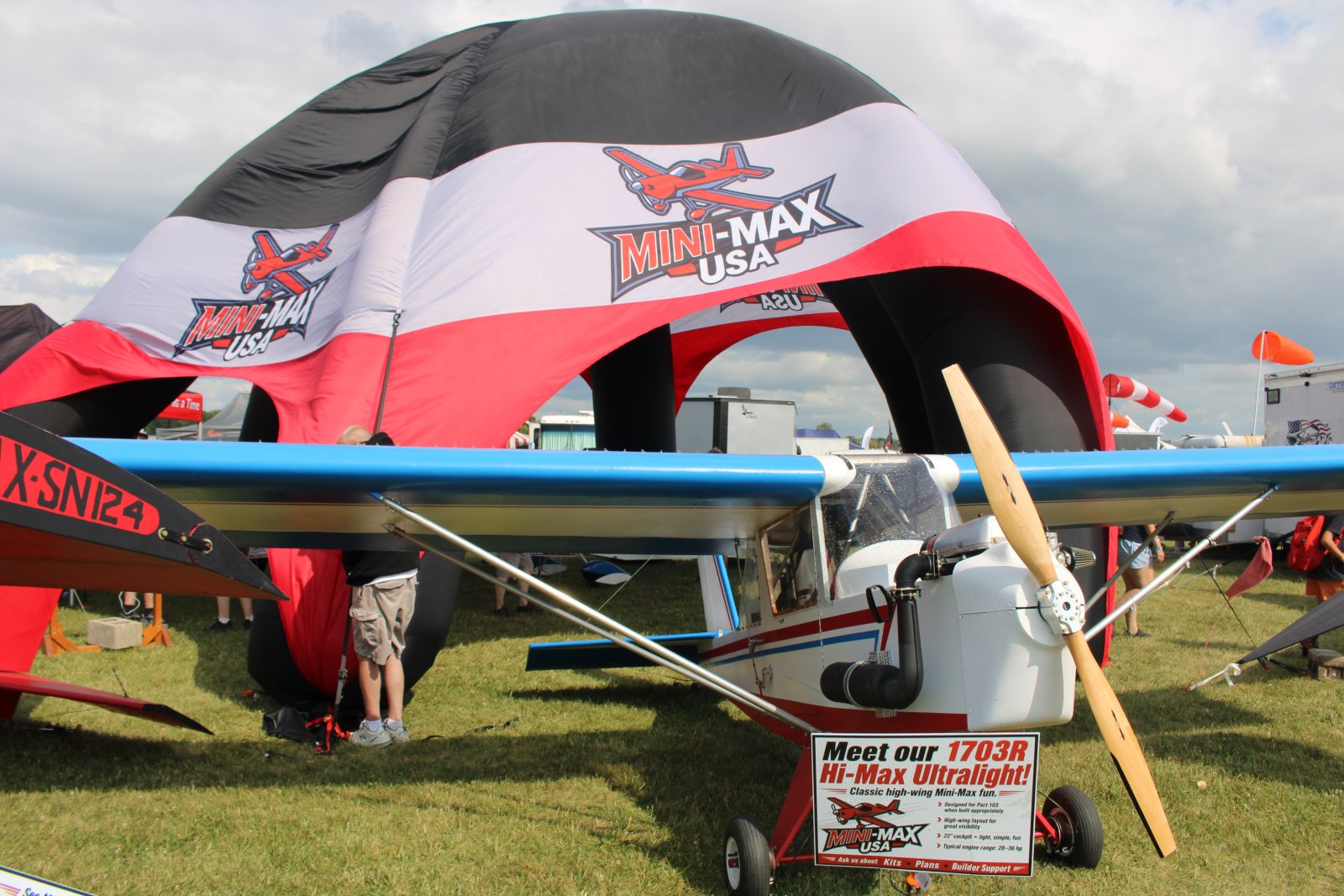
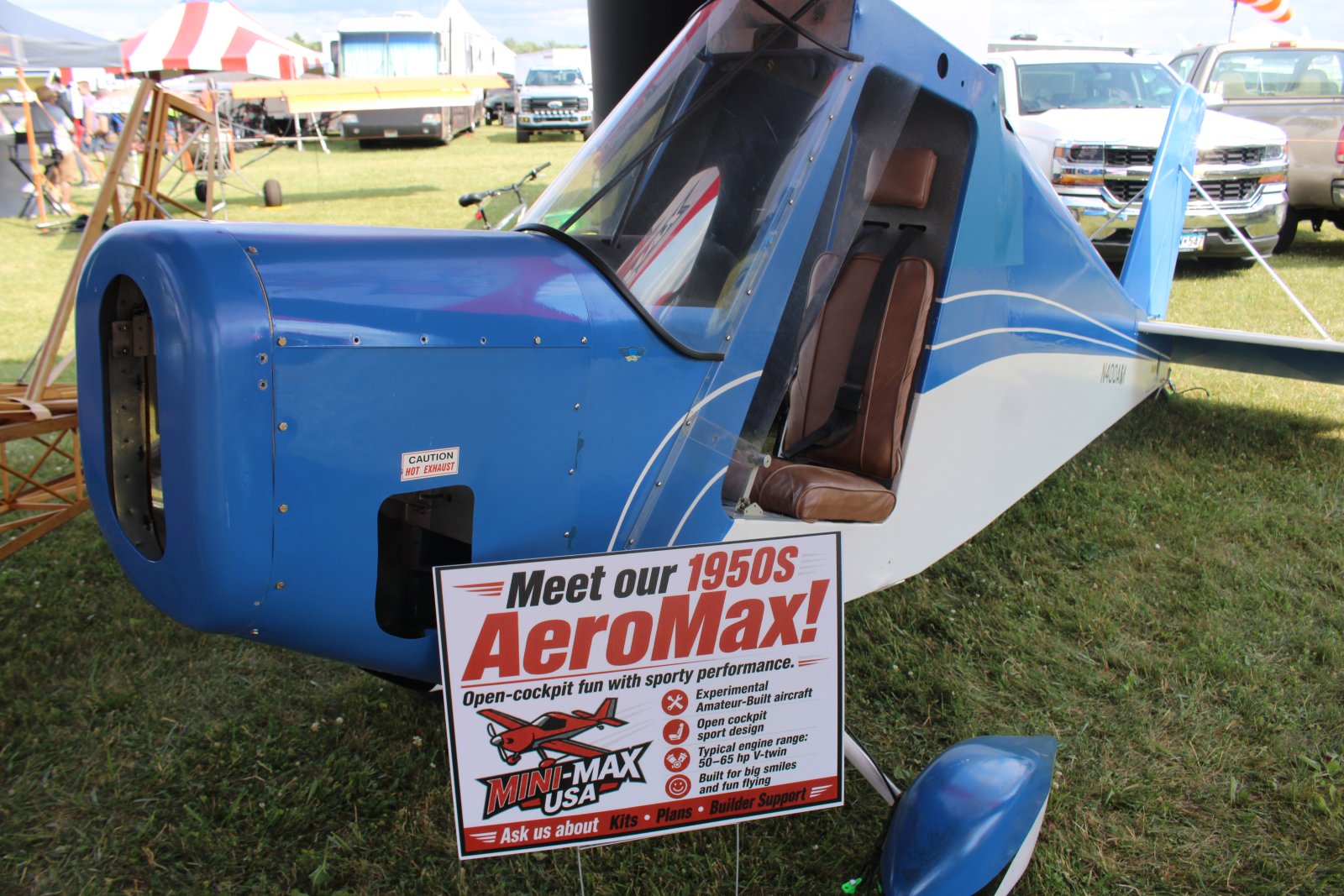
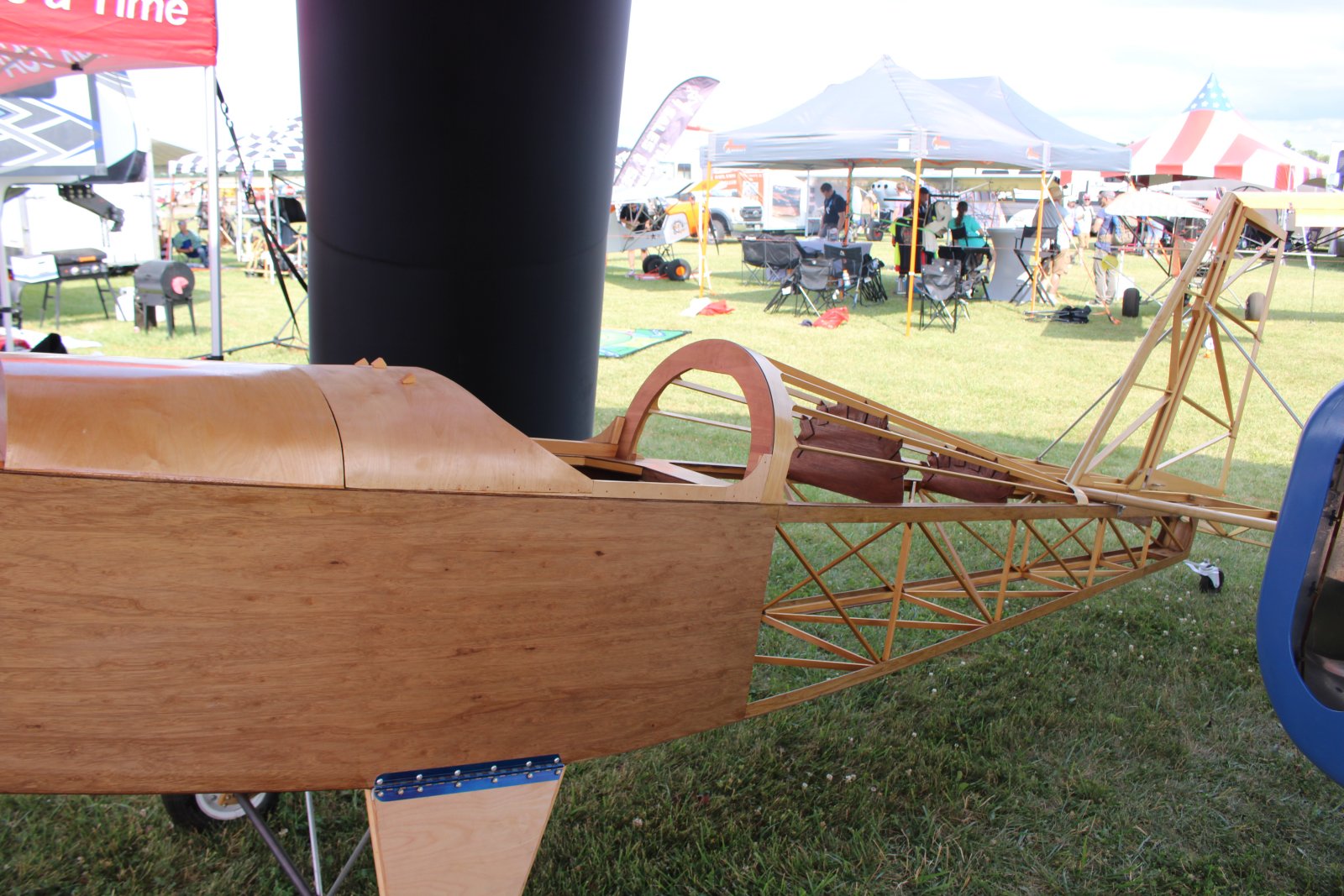
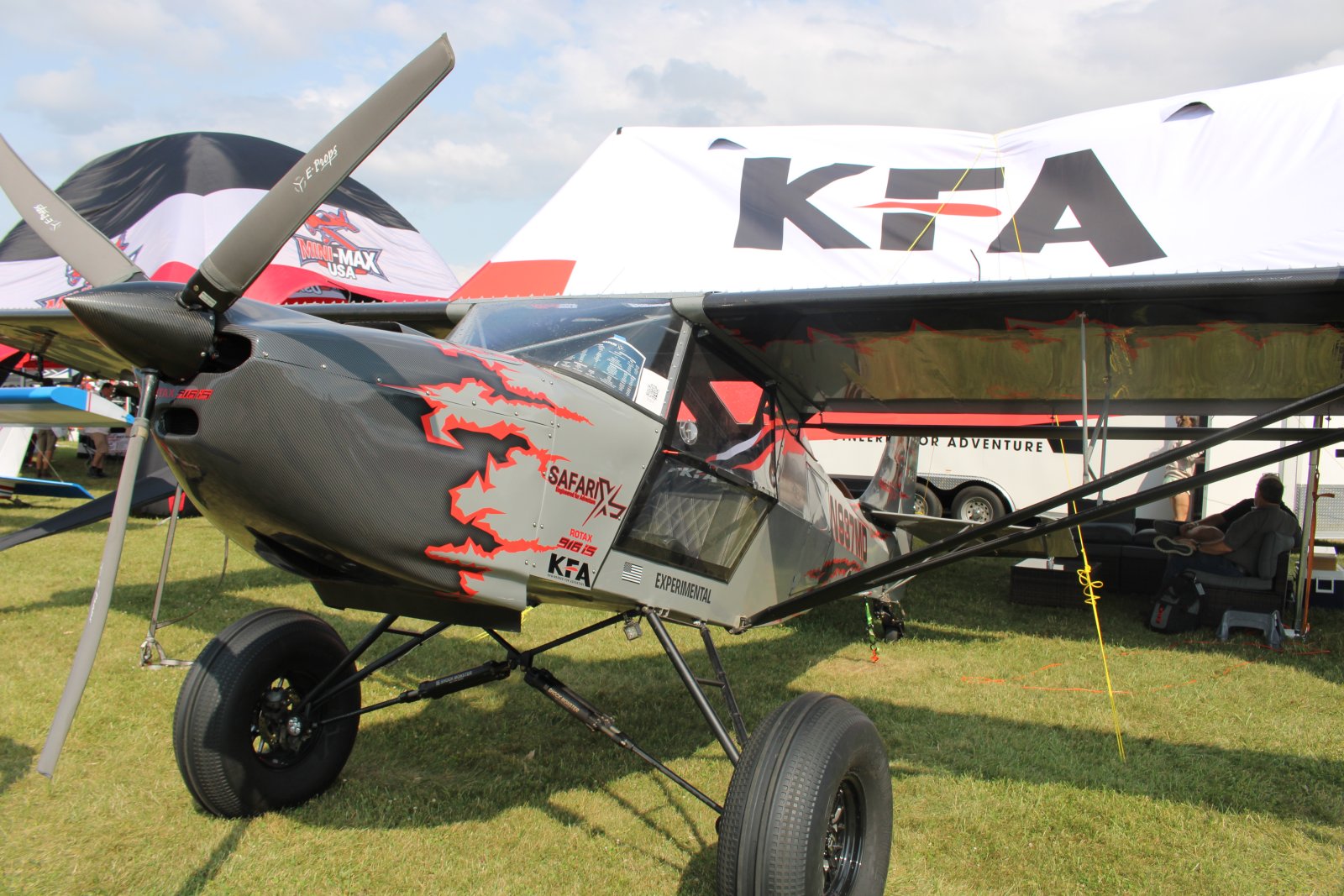
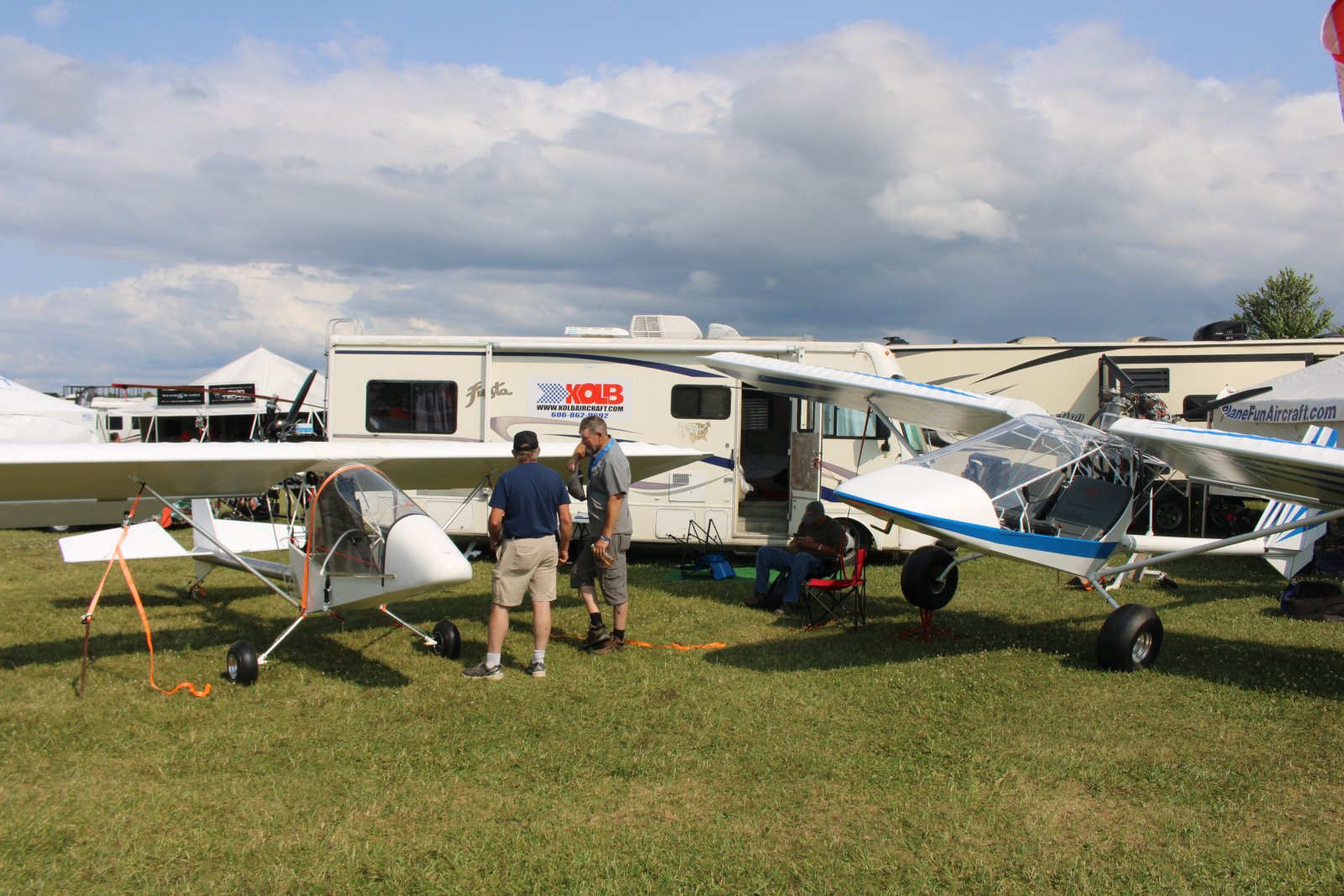
But the Mini-MAX line has now been revived. Mini-Max USA acquired the Mini-MAX/Hi-MAX business and intellectual property and has brought the designs back into active production and support. The current company is Av8r Capital Group Corp., doing business as Mini-Max USA, based in Box Elder, South Dakota. The company is not merely preserving the old plans, however. It is actively developing the product line.
Let's hear it for Mini-Max USA!
Well, it looks like we now have a twin-engine Hummel!
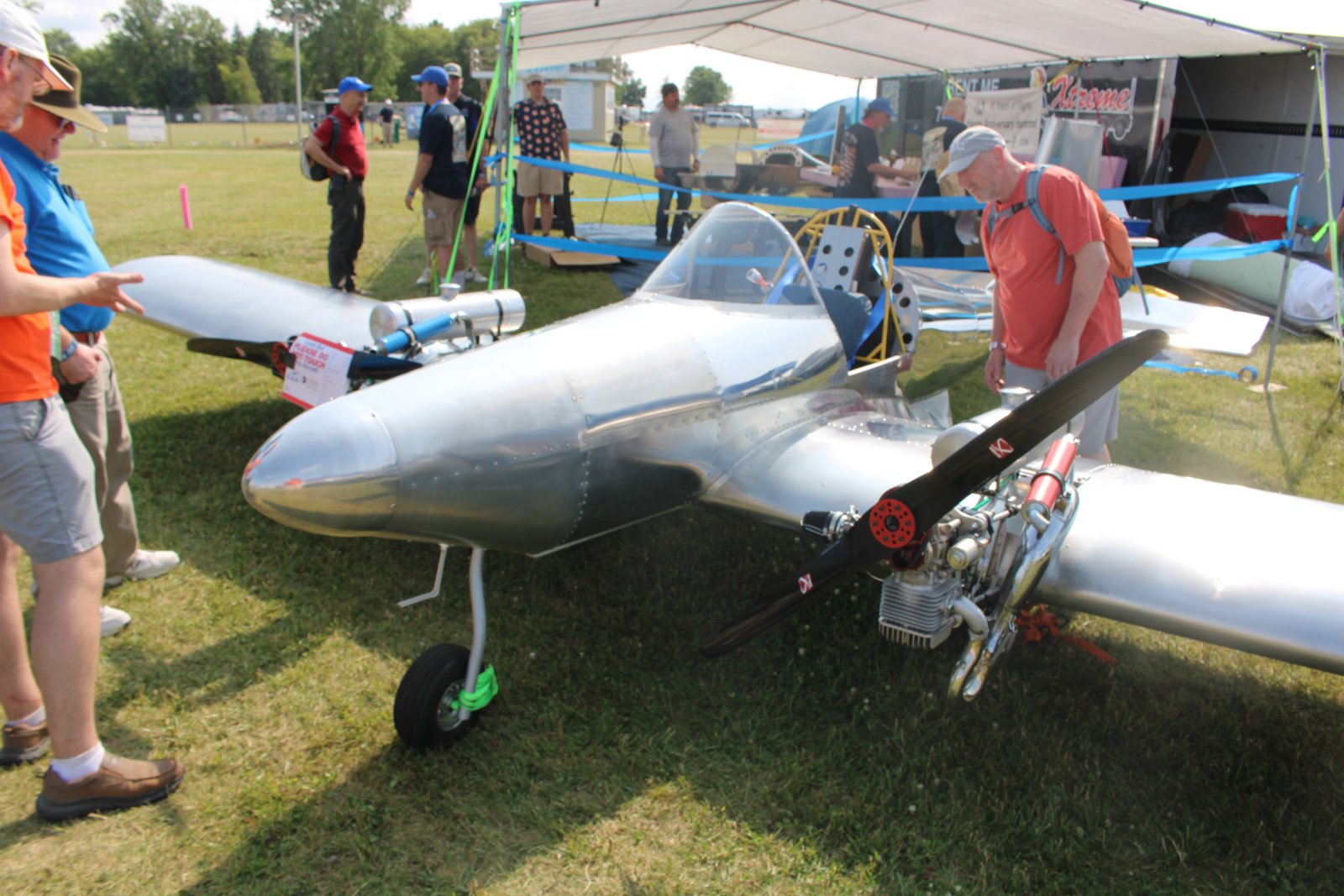
The Hummel aircraft story is one of the great small-airplane stories in the homebuilt movement. It starts with Morris "Morry" Hummel, a sheet-metal craftsman who turned a tiny, inexpensive airplane into a family of remarkably efficient all-metal homebuilts. In fact, at one time Morry Hummel actually became a Mini-MAX dealer and flew his own modified Mini-MAX. His later UltraCruiser was, in part, his answer to what he thought could be improved.
Hummel didn't learn to fly until relatively late—1959, at age 44—and soloed in an Aeronca Champ. He received his private pilot certificate in February 1960.
In 1979 Hummel bought plans for Gary Watson's Windwagon, which itself was derived from the earlier Parker Teenie Two. He modified it substantially, however, completing the airplane in July 1980. Sport Aviation editor Jack Cox wrote about it in 1982 and called the airplane the "Hummel Bird." The name stuck.
In 1983, with help from Bill Spring to produce the drawings, Hummel began offering the Hummel Bird as a plans-built airplane. That was essentially the birth of Hummel Aviation.
The Hummel Bird is an all-metal, single-seat, very small airplane typically powered by a ½-VW engine producing roughly 32–45 hp. It's tiny—but it's a genuine airplane, not a powered hang glider.
In the late 90's, Hummel designed and built a new airplane called the UltraCruiser. It was all metal and so light that it met the 254-lb empty-weight requirement for a true ultralight (Part 103). The prototype was under construction by 1999 and completed in June 2000. Most Part 103 airplanes historically have been tube-and-fabric or similar lightweight construction. Hummel managed to produce a riveted aluminum airplane that could meet the 254-lb empty-weight requirement. The classic UltraCruiser was designed around the ½-VW engine.
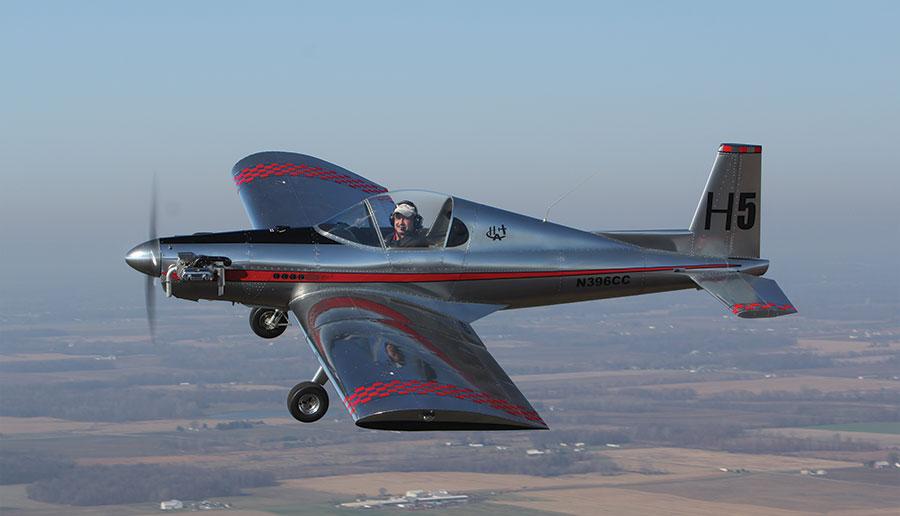
Further development eventually produced the H5, which was completed around 2008. The H5 retains the Hummel concept but is a substantially more accommodating airplane.
Hummel says approximately 40 H5s are flying, while the entire Hummel fleet includes more than 80 UltraCruisers and hundreds of Hummel Birds.
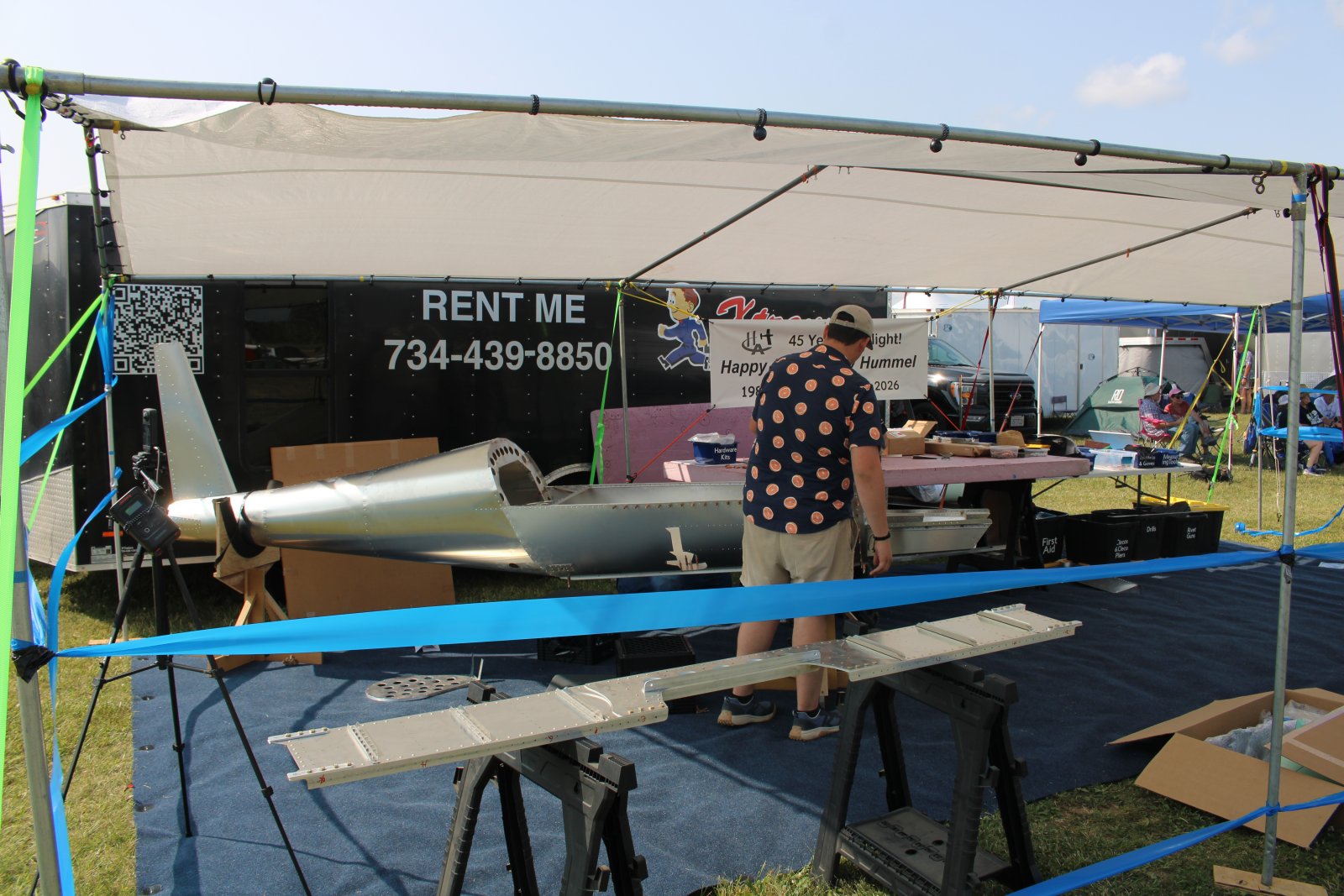
In January 2021, Matt and Laurie Higgins acquired Hummel Aviation and established Hummel Aircraft Company. Production moved from Ohio to Michigan, with the company continuing to support the Hummel Bird, UltraCruiser and H5. The company now offers plans, sub-kits and complete kits for the UltraCruiser and H5, and has CNC and plasma-cutting capability for components.
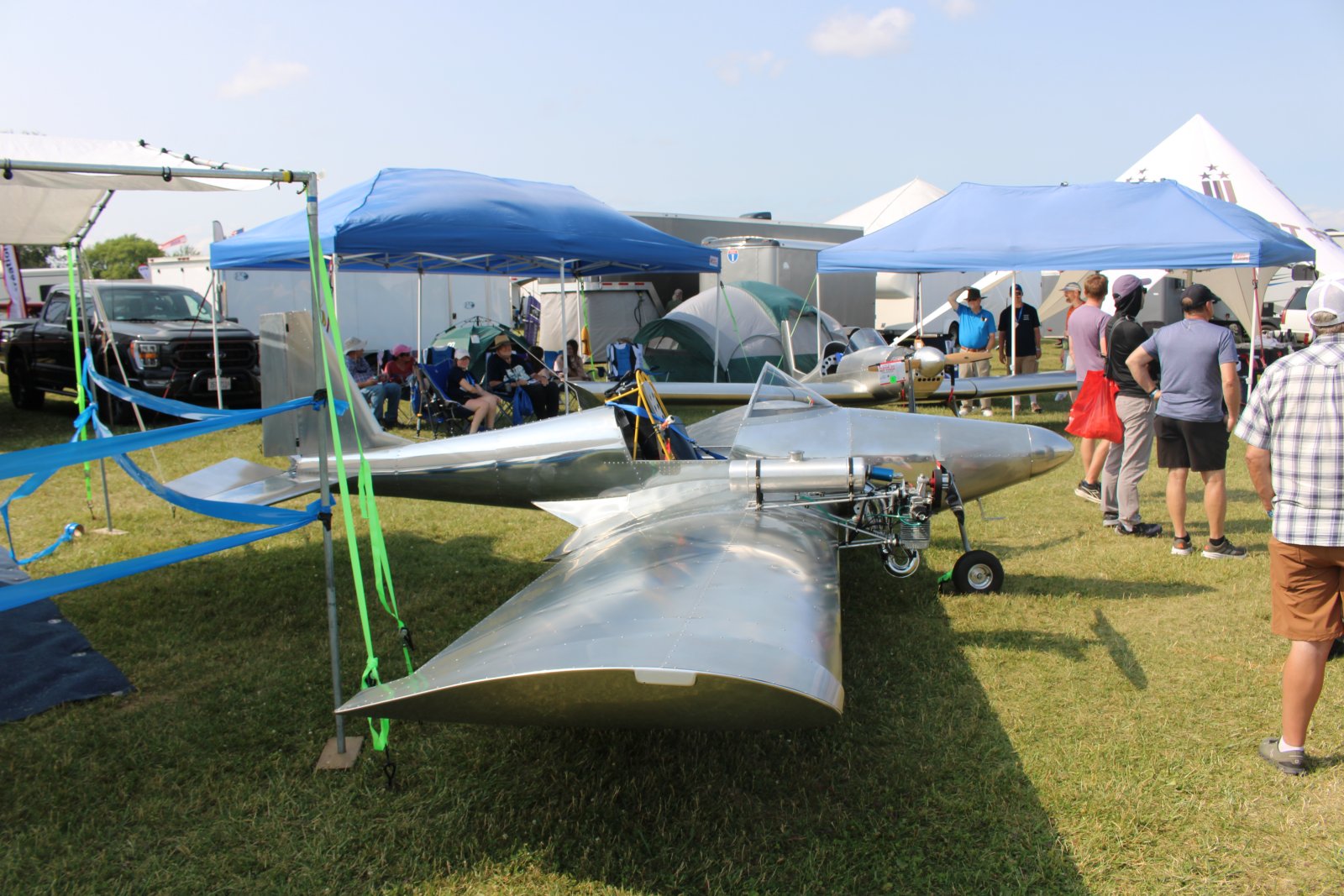
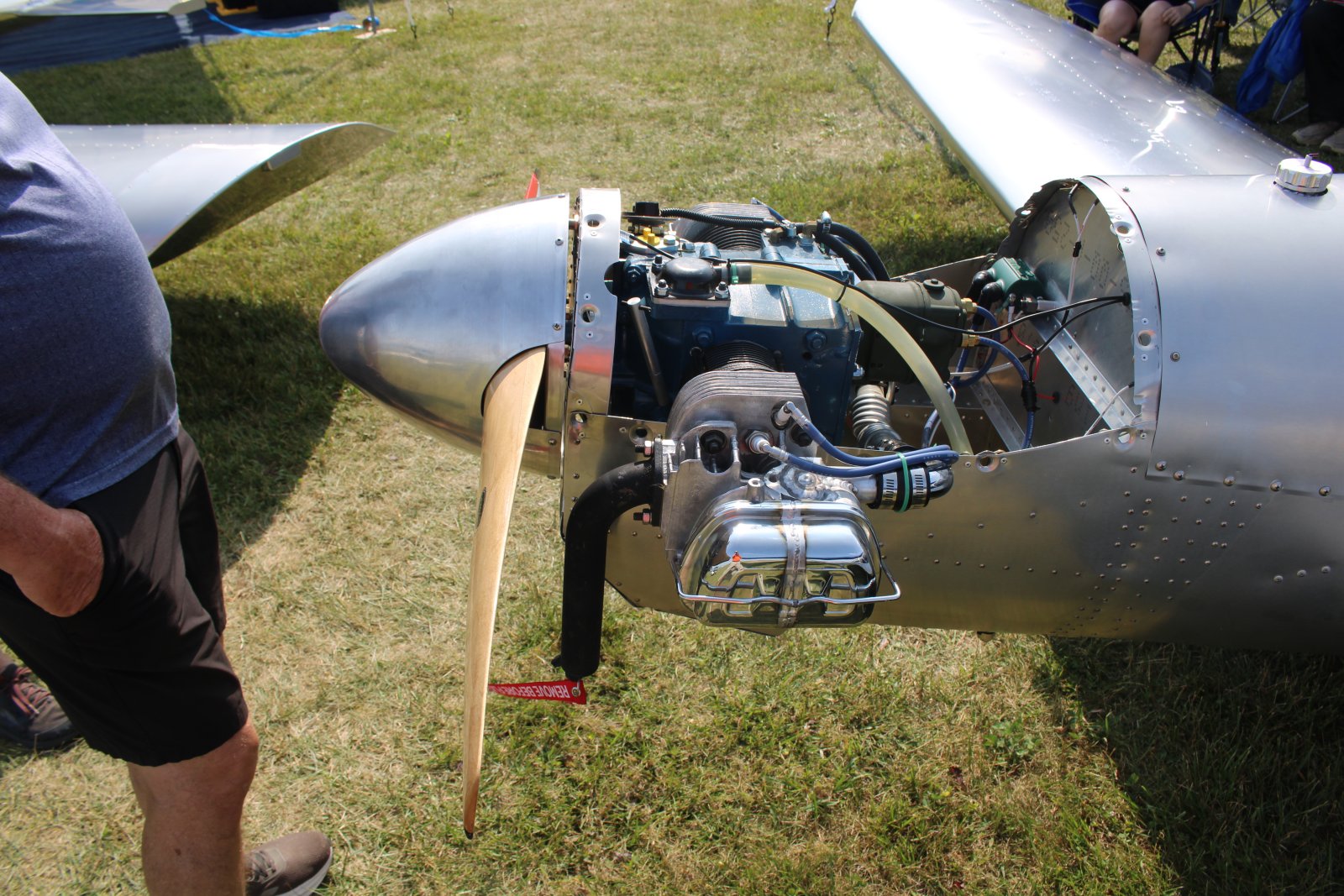
The 1/2 Volkswagen engine that powers many Hummels.
The Hummel Bird.
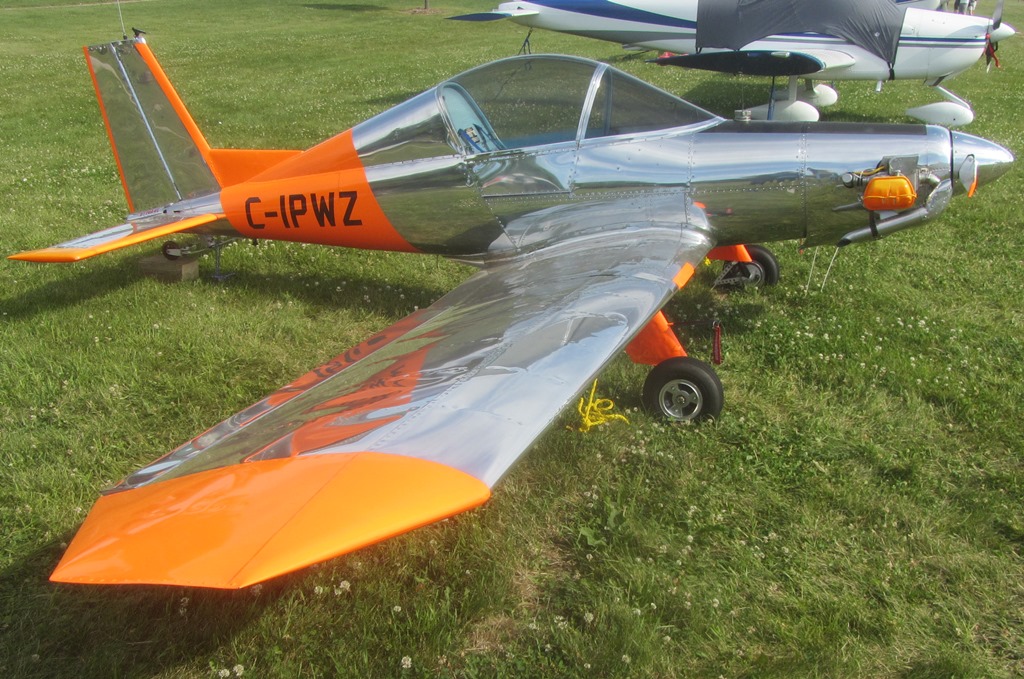
The tiny Hummel Ultracruiser, which qualifies as a true ultralight.
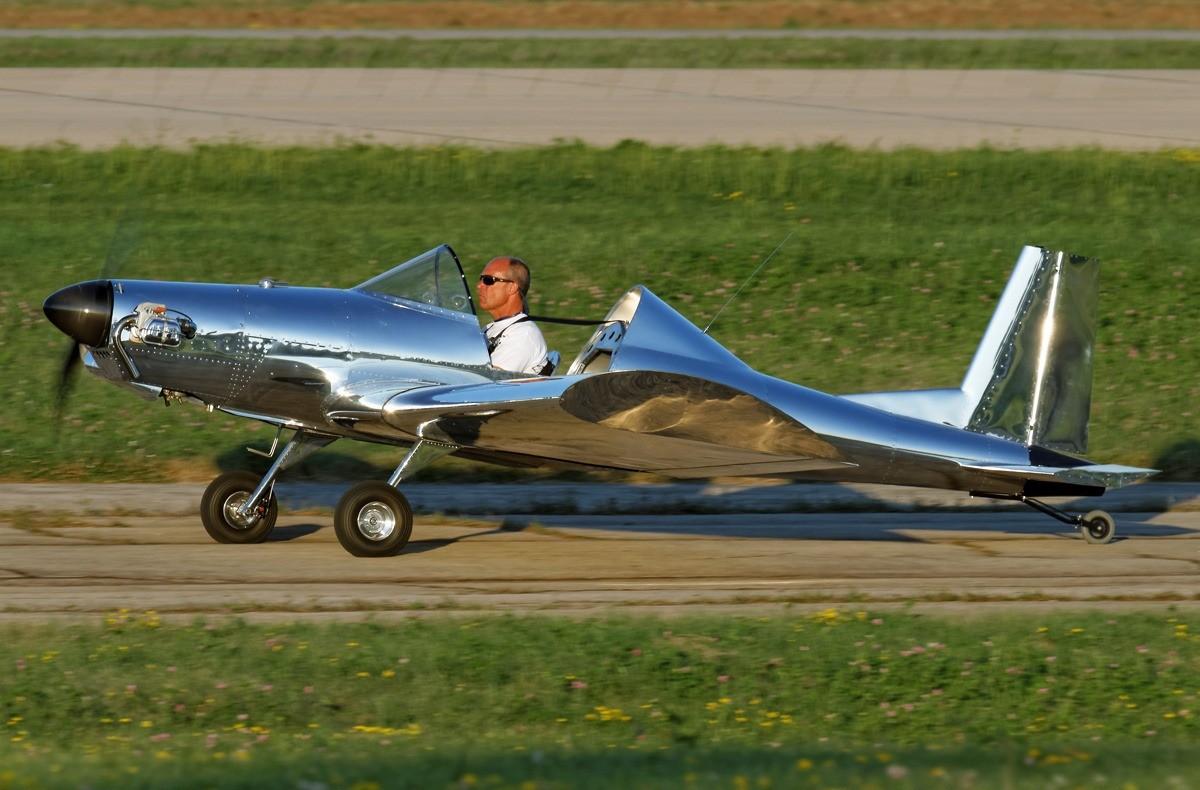
A Hummel H5. The recommended engine is in the 60 to 85 hp Volkswagen air-cooled engine four-stroke. Construction time from the supplied kit is estimated as 420 hours. Cruise speed is a quick 120 mph.