July 19-26, 2026 - AirVenture 2026
Pioneers of Flight
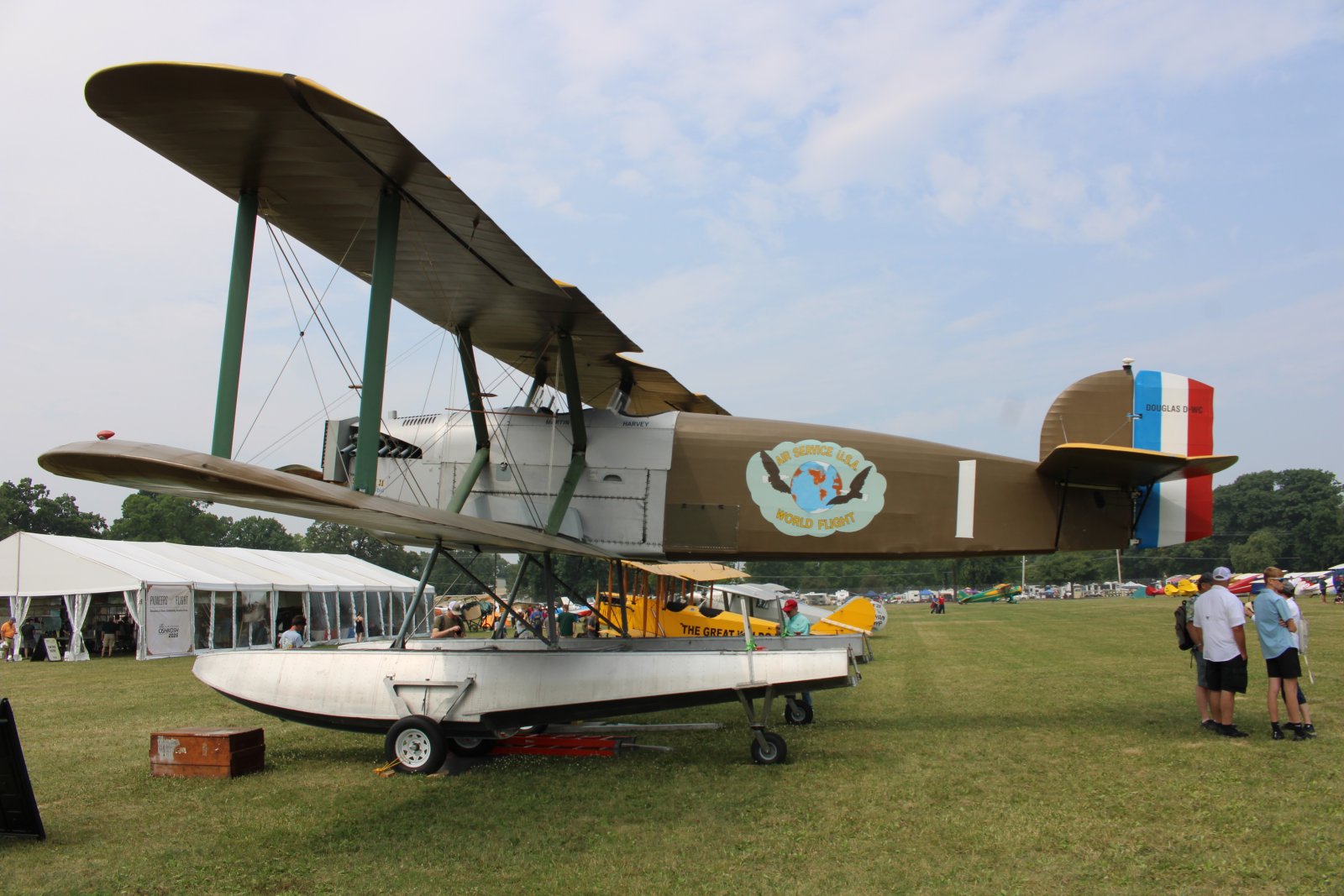
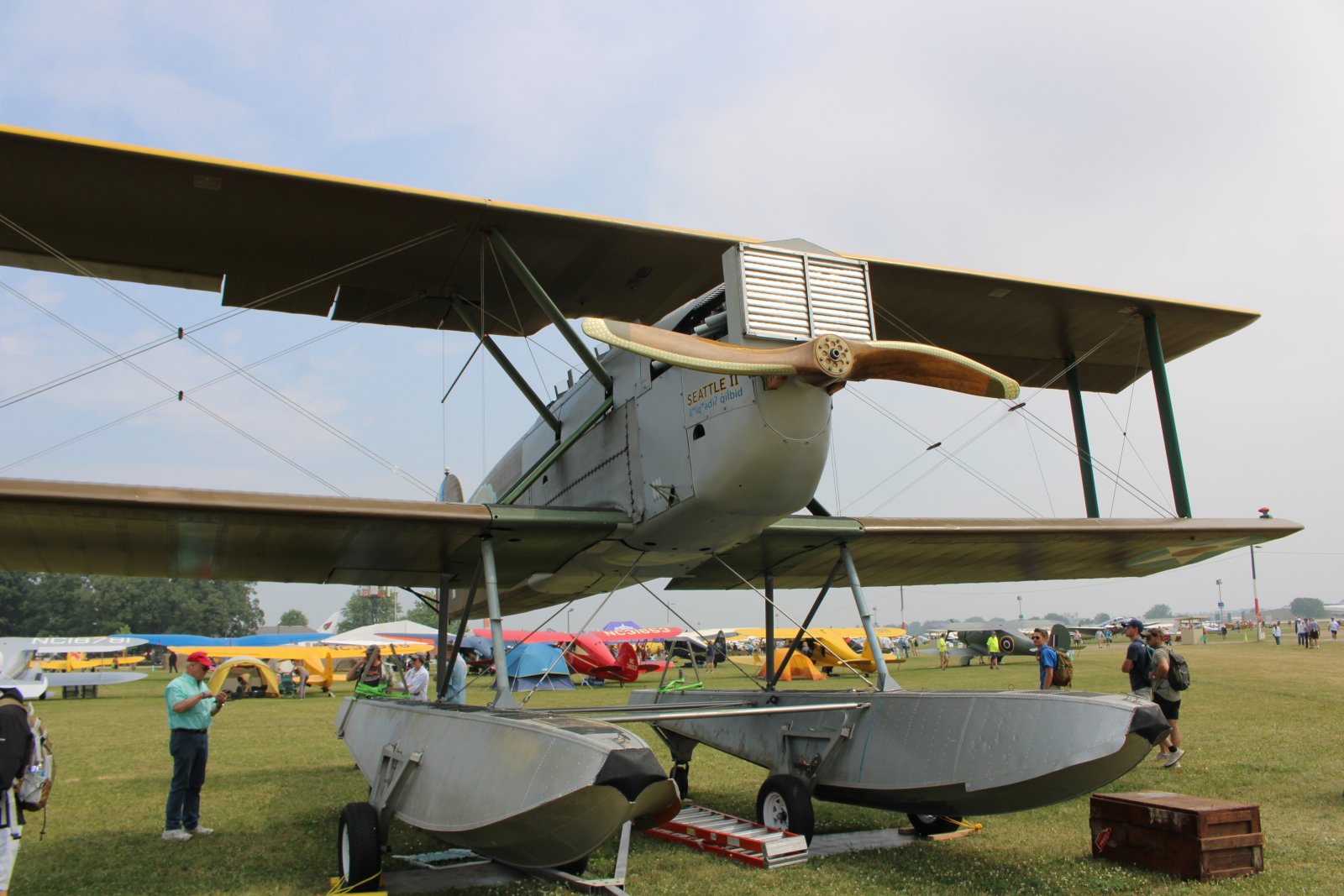
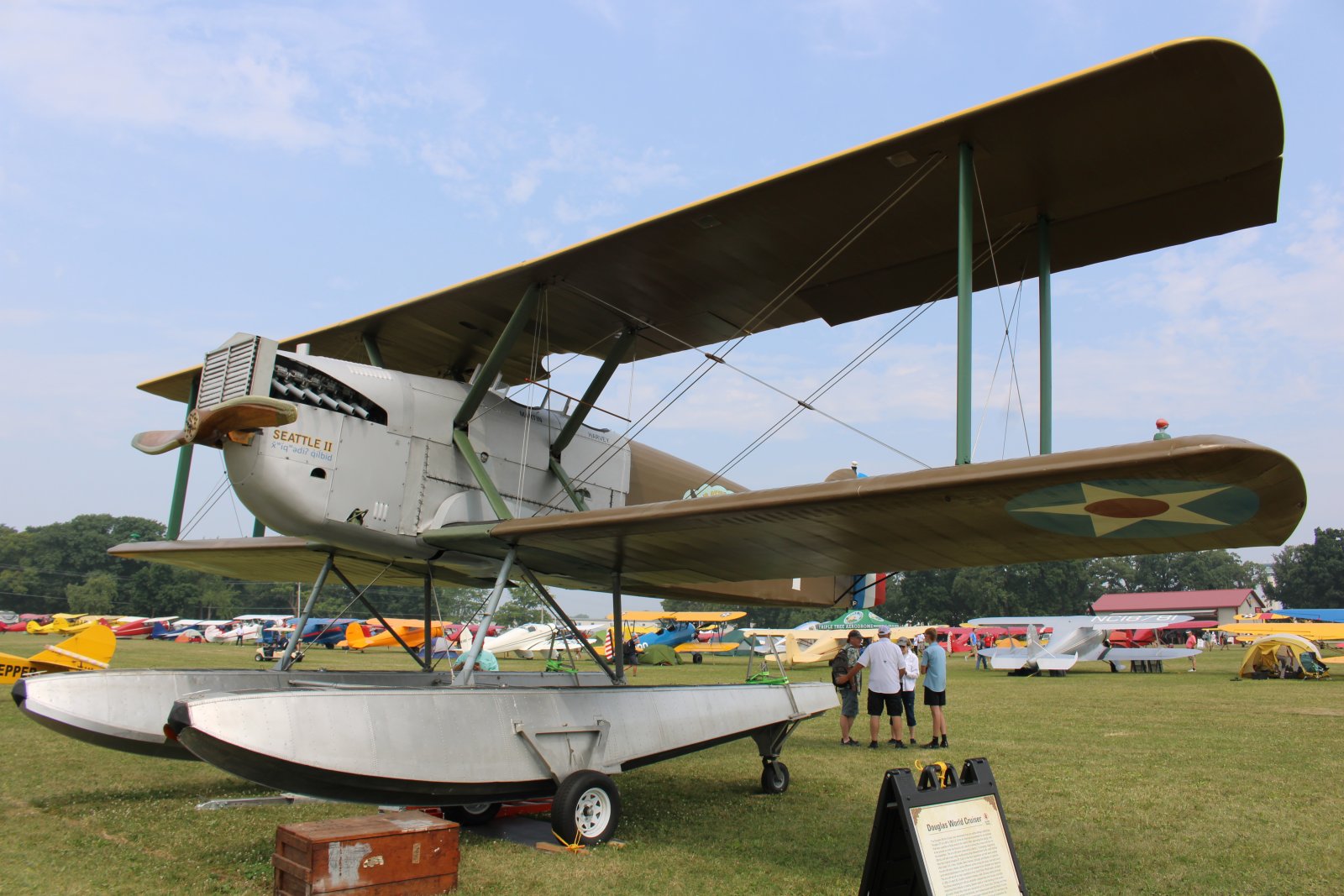
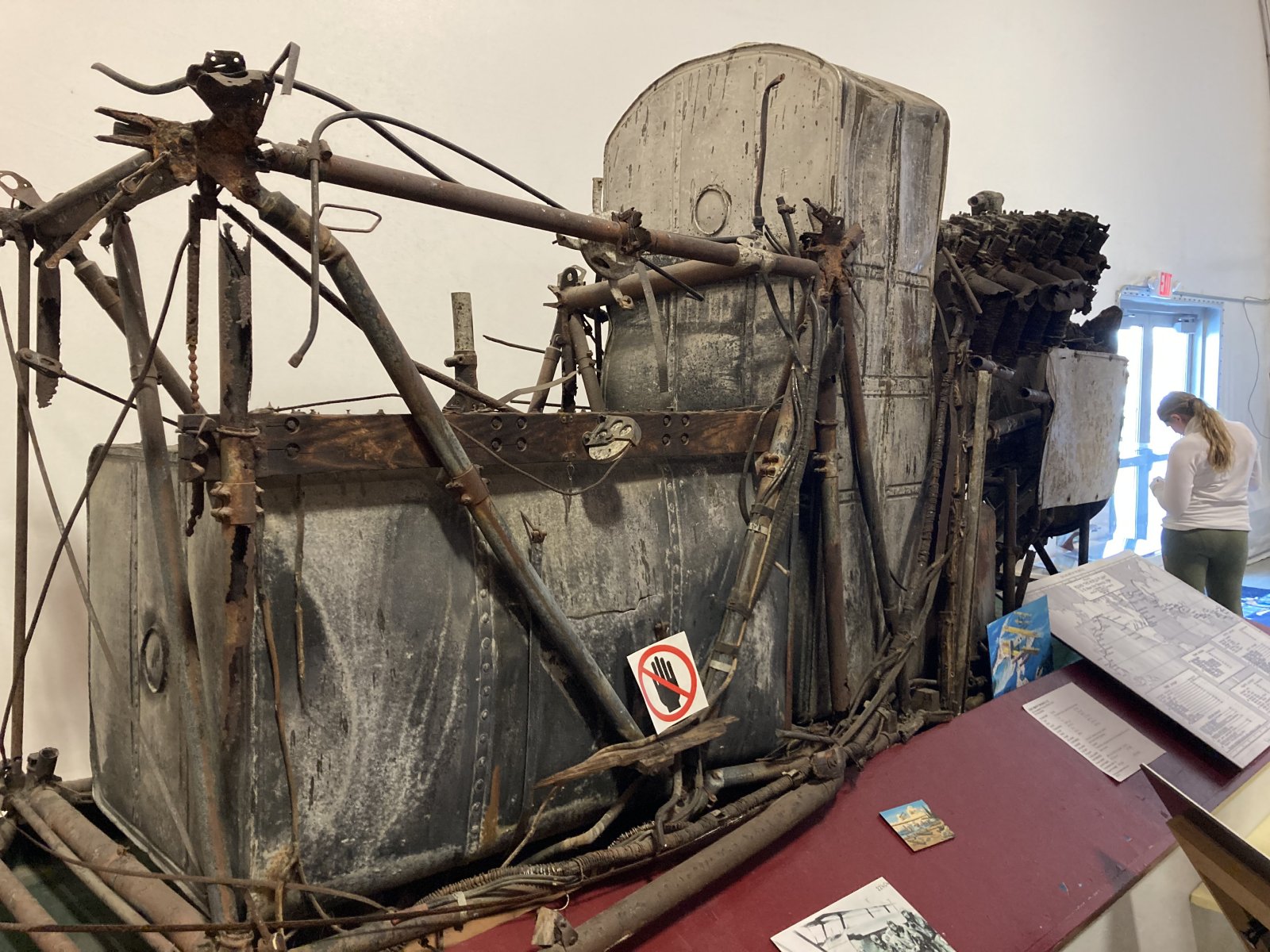
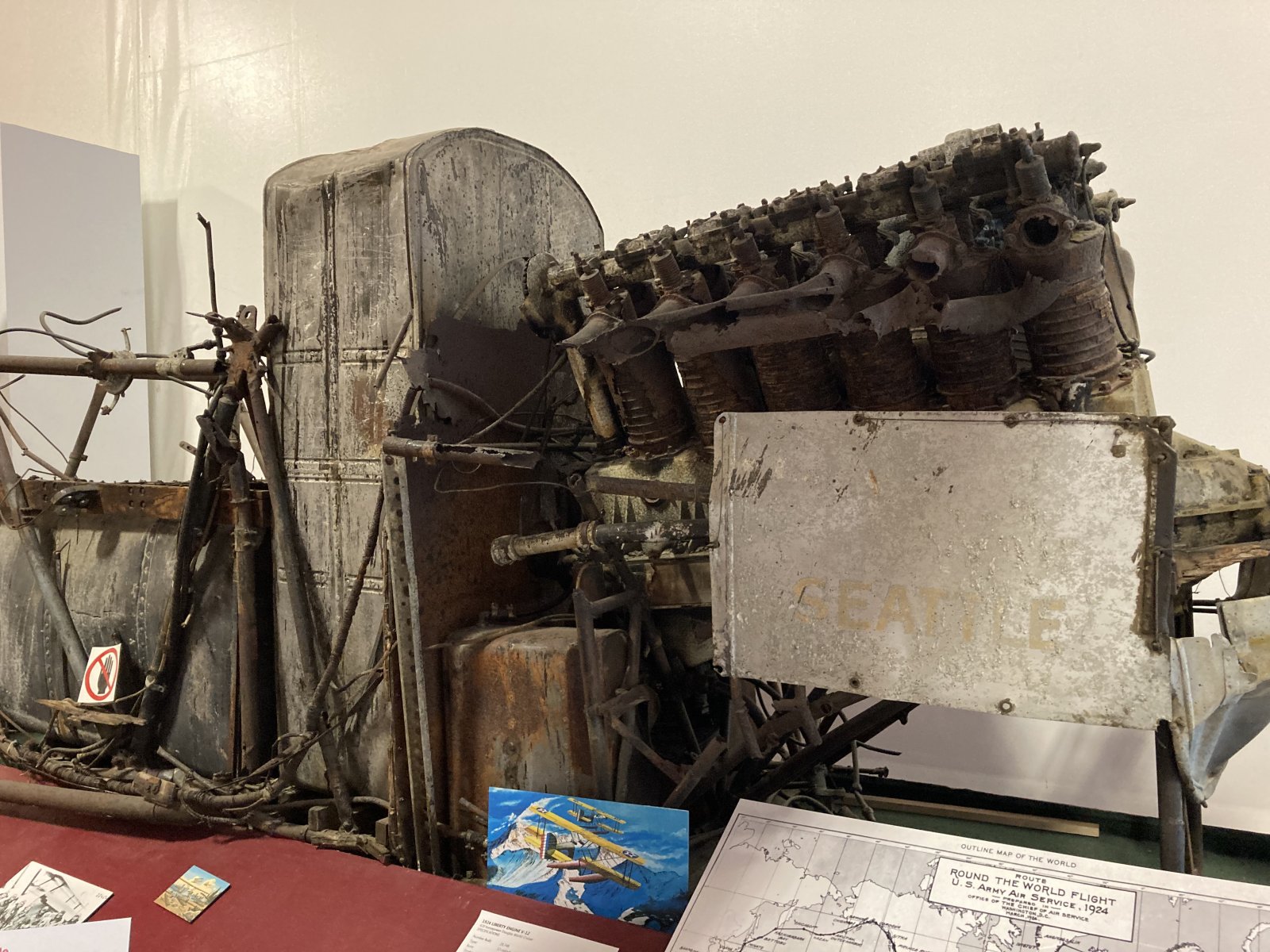
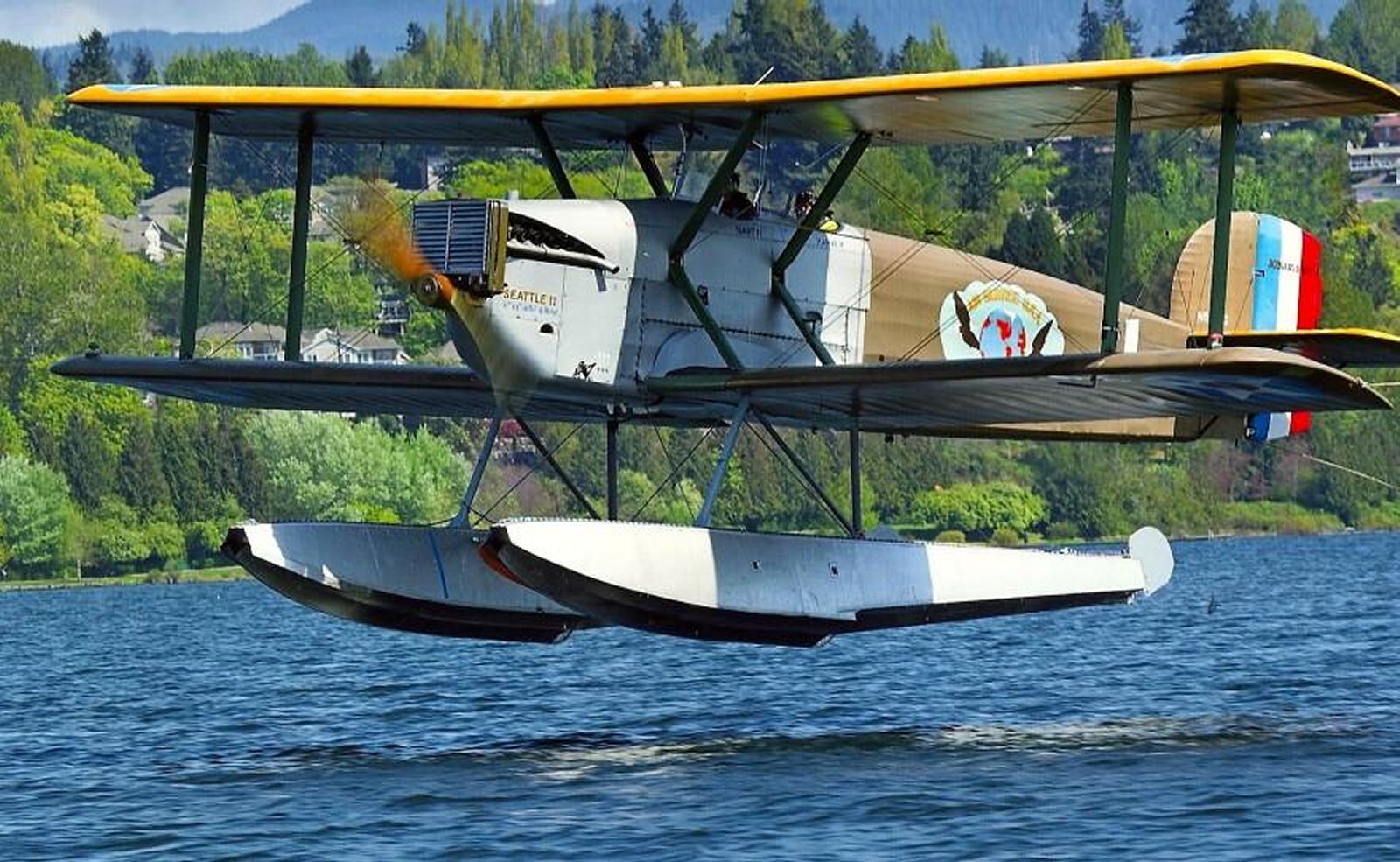
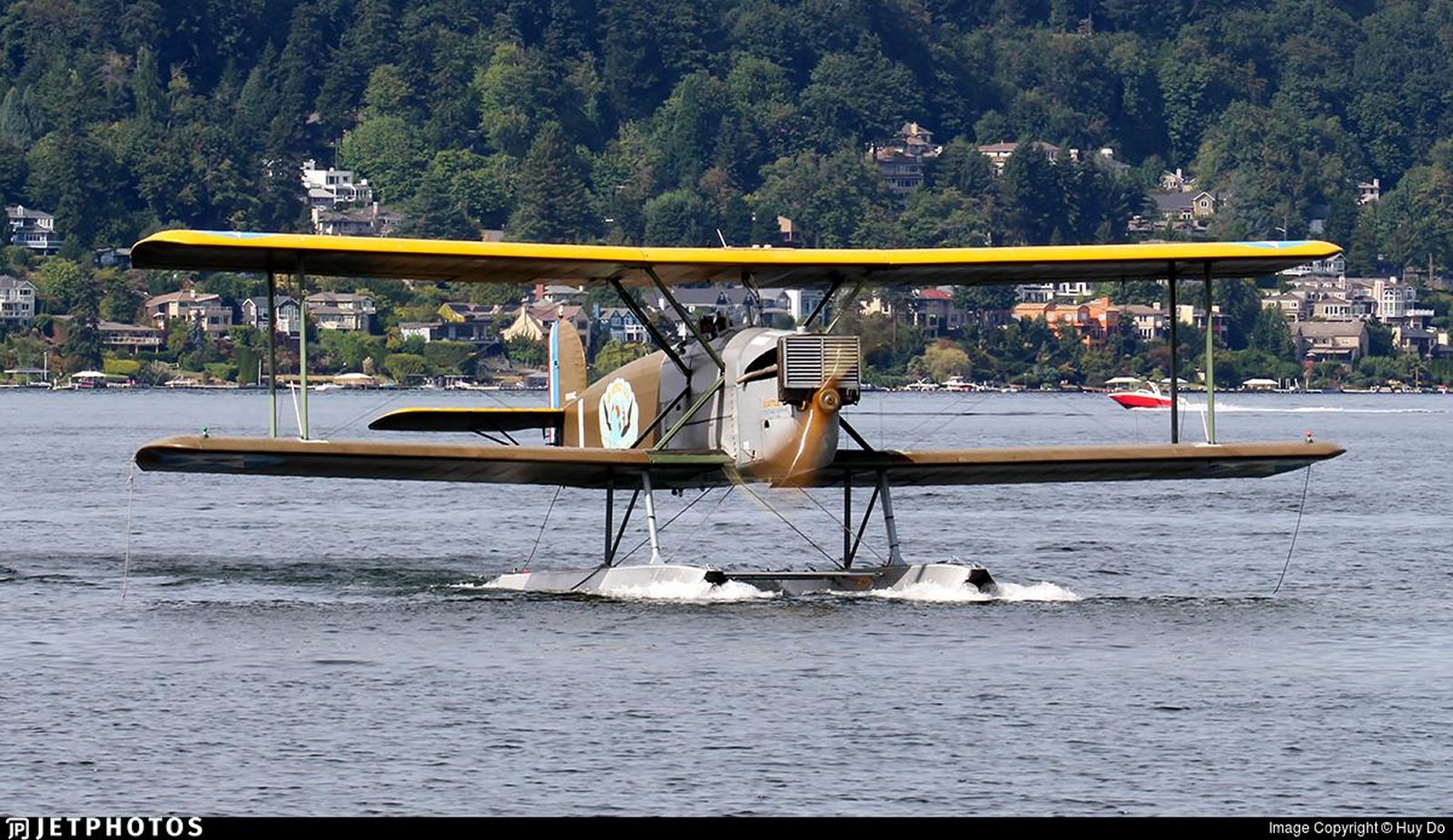
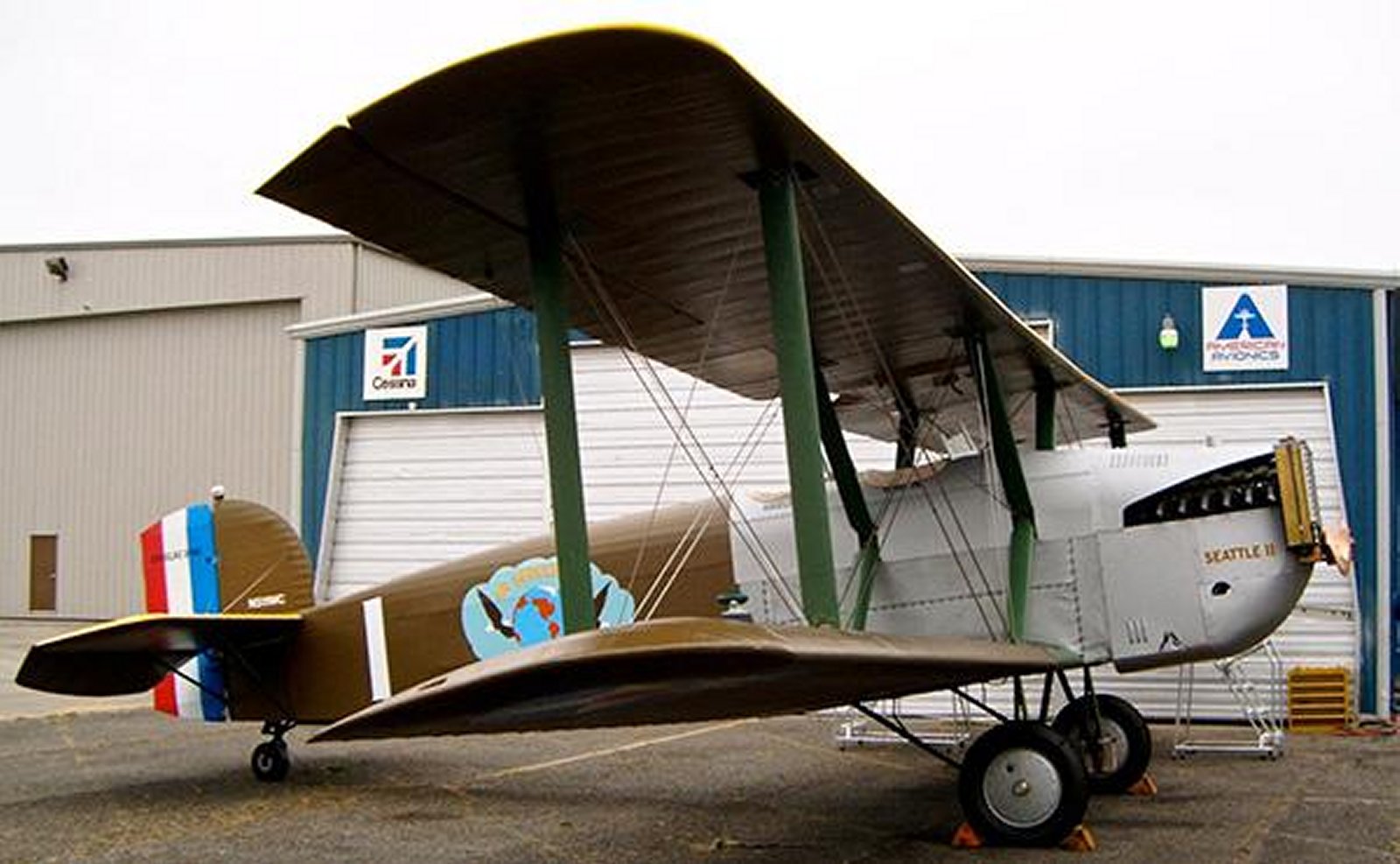
Construction began around 2001 and eventually involved dozens of volunteers, craftsmen, engineers, and historians. The team studied surviving original Douglas drawings, measured the preserved World Cruiser Chicago at the Smithsonian National Air and Space Museum, visited the crash site of the original Seattle in Alaska to recover surviving hardware and verify details, and recreated hundreds of fittings that no longer existed on drawings.
The Seattle II is powered by a restored Liberty L-12 V-12 engine producing about 420 horsepower.
The airplane was formally rolled out in 2013 and made its first flight in December 2014 from Boeing Field in Seattle. Former Boeing engineering test pilot Tom Imrich flew the maiden flight while Bob Dempster rode in the front cockpit. It marked the culmination of roughly 13 years of construction.
The replica cruises at only about 90 mph and has relatively limited range between fuel stops.
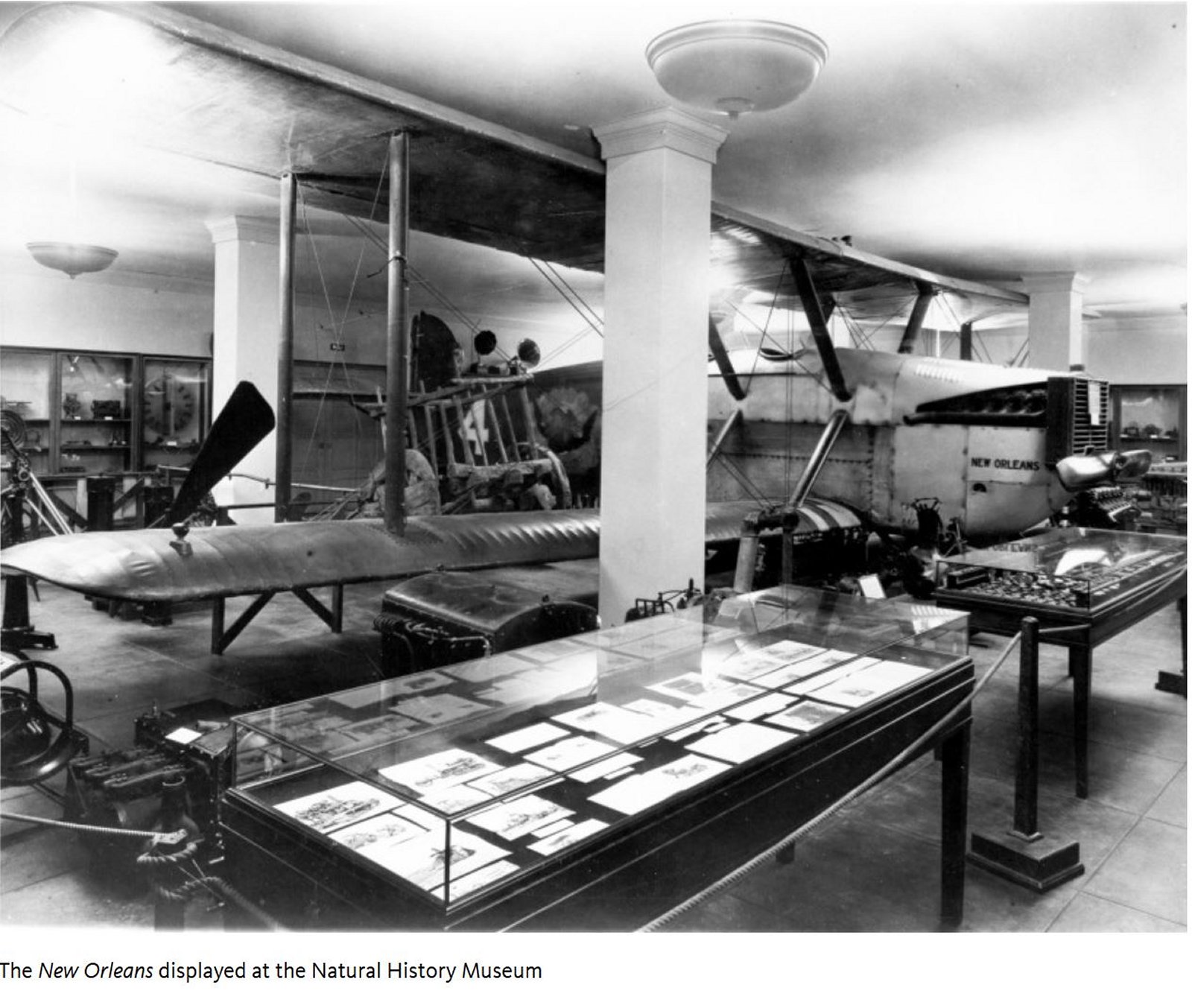
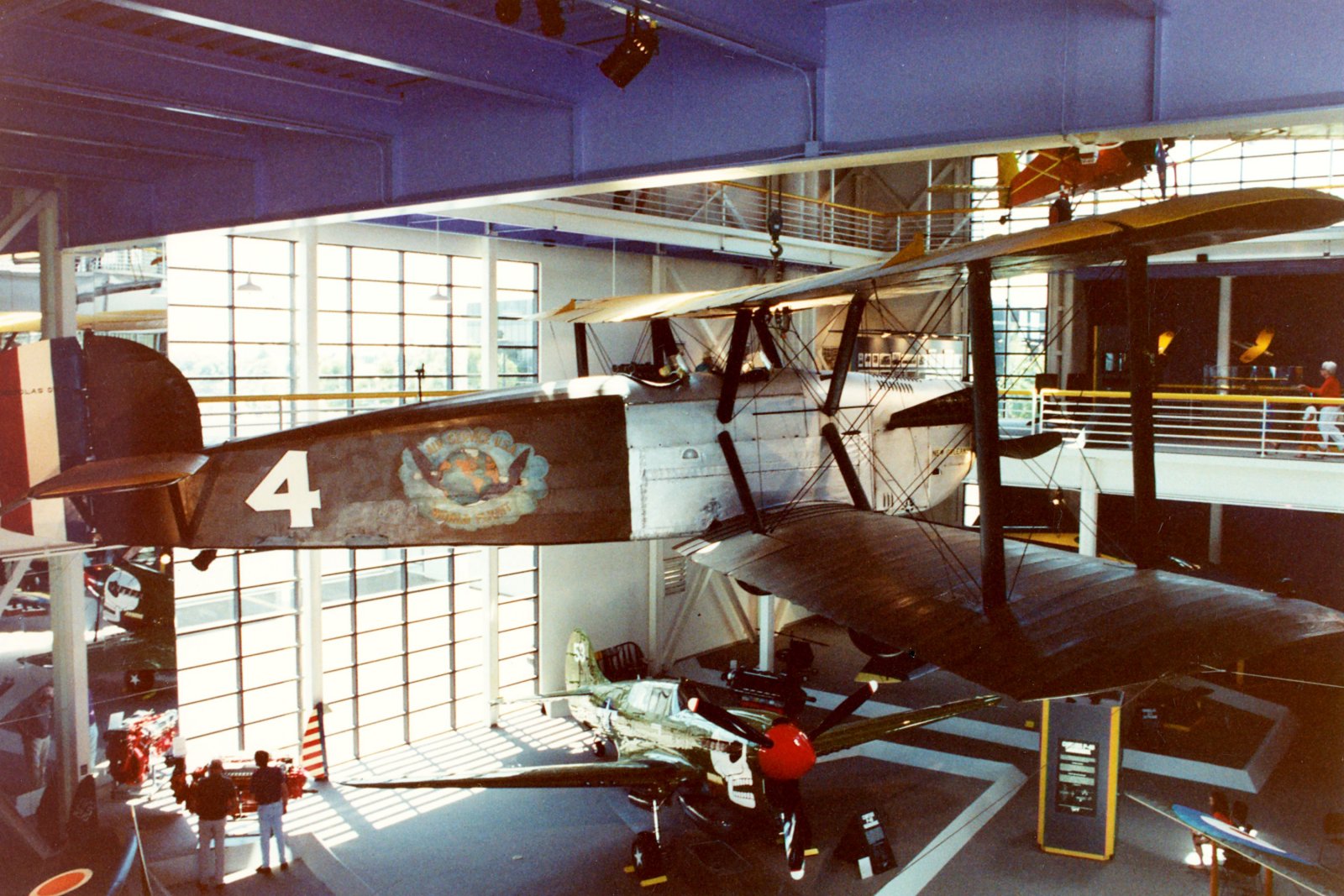
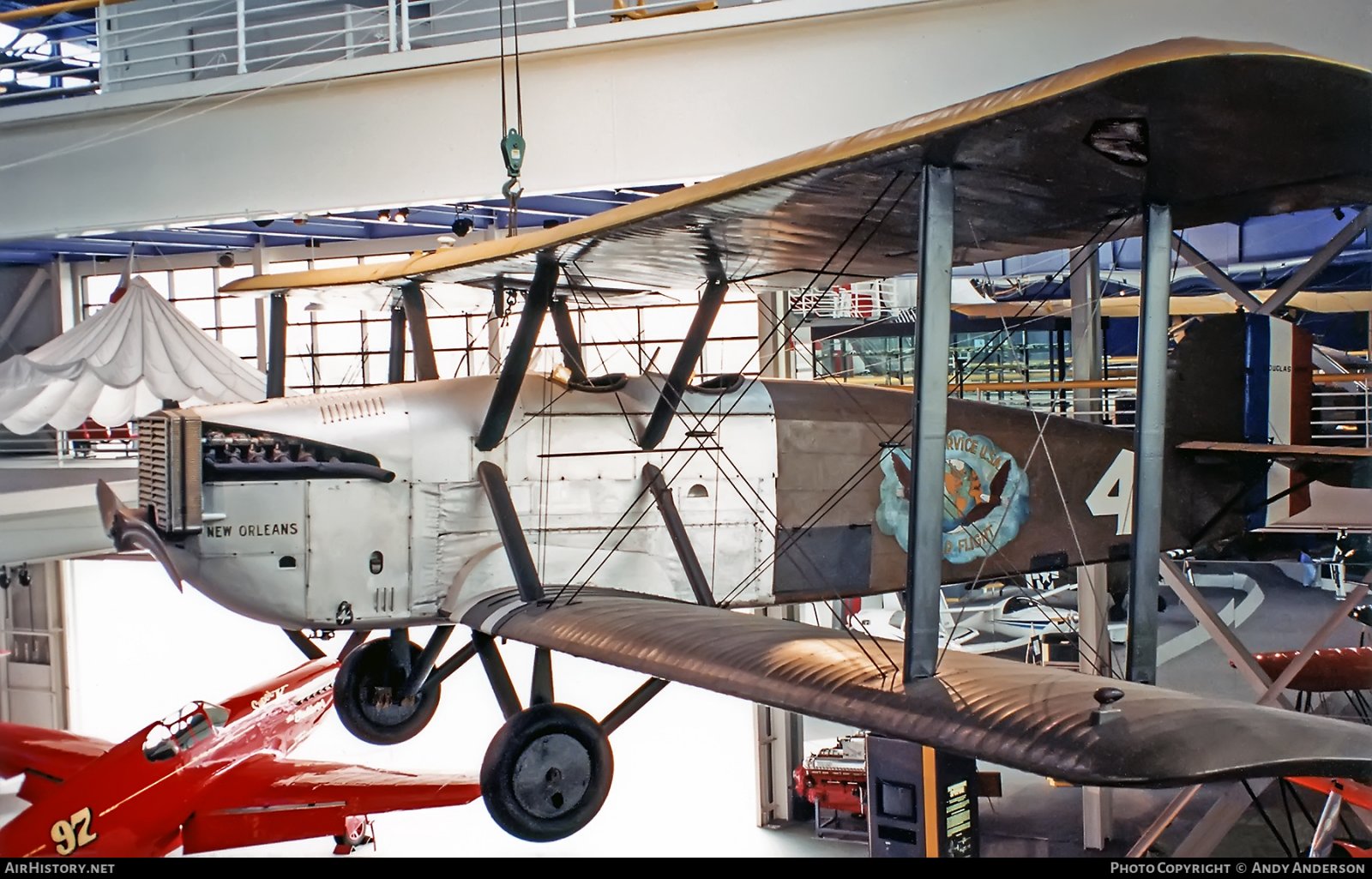
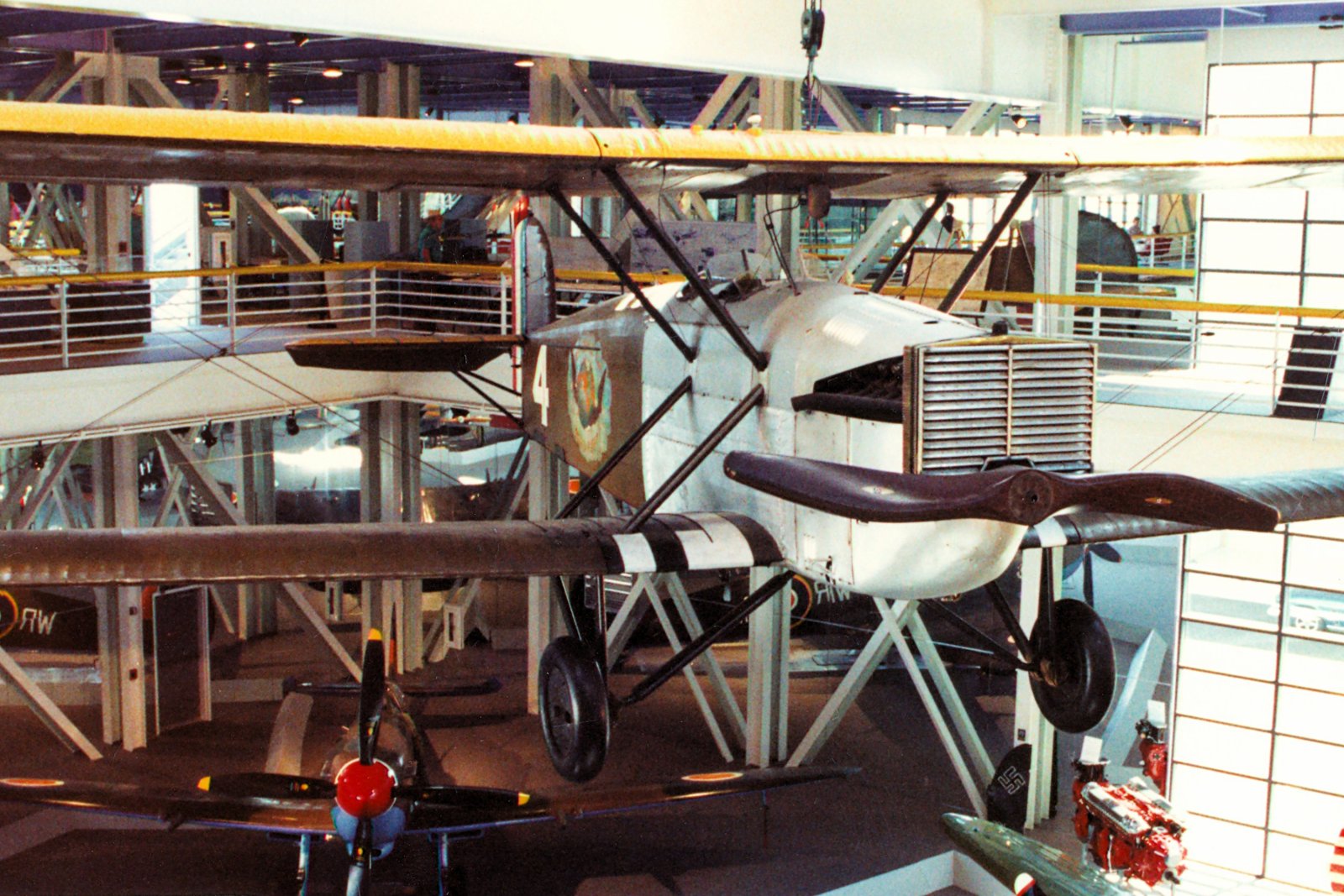
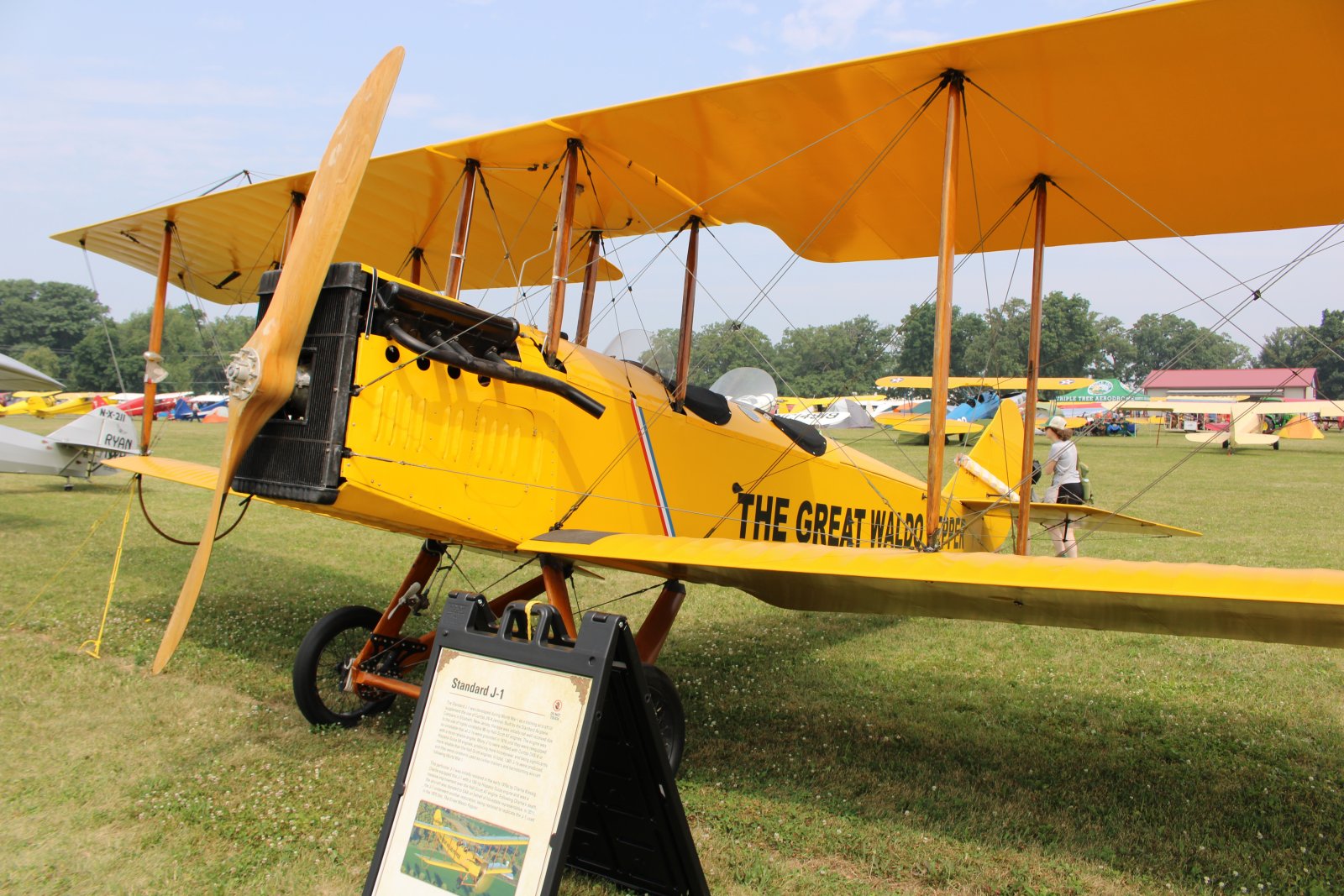
A Standard J-1 in the paint scheme of the plane flown by Robert Redford in The Great Waldo Pepper (1975). They used a real, flying Standard J-1—not a mockup—in that movie and it had already become a Hollywood veteran before the movie was made.
The Standard J-1 was a World War I American primary trainer. About 1,600 were built between 1917 and 1918, primarily by Standard Aero and several other manufacturers. It was a two-seat, tandem, fabric-covered biplane designed to teach Army and Navy pilots to fly. The J-1 wasn't nearly as successful as the Curtiss JN-4 Jenny. Its original Hall-Scott A-7A engine was notorious for reliability problems, and many surviving J-1s were later fitted with Hispano-Suiza engines.
For the movie, aviation stunt legend Frank Tallman assembled a fleet of genuine vintage aircraft. The aerial sequences were flown with real airplanes rather than models or extensive effects.
The particular J-1 used for Waldo's airplane had been rebuilt by Ray Folsom in 1973, specifically for movie work. It was fitted with a much more powerful Hispano-Suiza engine—an E-4 rated at approximately 240 hp—rather than the roughly 100-hp Hall-Scott for which the J-1 was originally designed. That's nearly three times the original design power. That extra horsepower was important. Some of the movie's spectacular low-level maneuvers and the famous hedge-jumping sequence simply wouldn't have been practical with an original 100-hp J-1.
The same J-1 went on to appear in a remarkable number of productions, including: The Spirit of St. Louis, The Great Waldo Pepper, The Rocketeer, Young Indiana Jones, Ace Eli and Roger in the Sky, The Fall Guy, Titanic (briefly) and numerous commercials, including a Japanese beer commercial.
More than one Standard J-1 was used in the production. One of the surviving movie J-1s ended up with in the Historic Aircraft Restoration Museum at Creve Ceour Airport, near St. Louis where I saw it.
This particular J1 was initially restored in the early 1970s by Charlie Klessig. Following Charlie's death, the aircraft was donated to the EAA. In 2011, the aircraft went another restoration and given the Great Waldo Pepper paint scheme. It is airworthy.
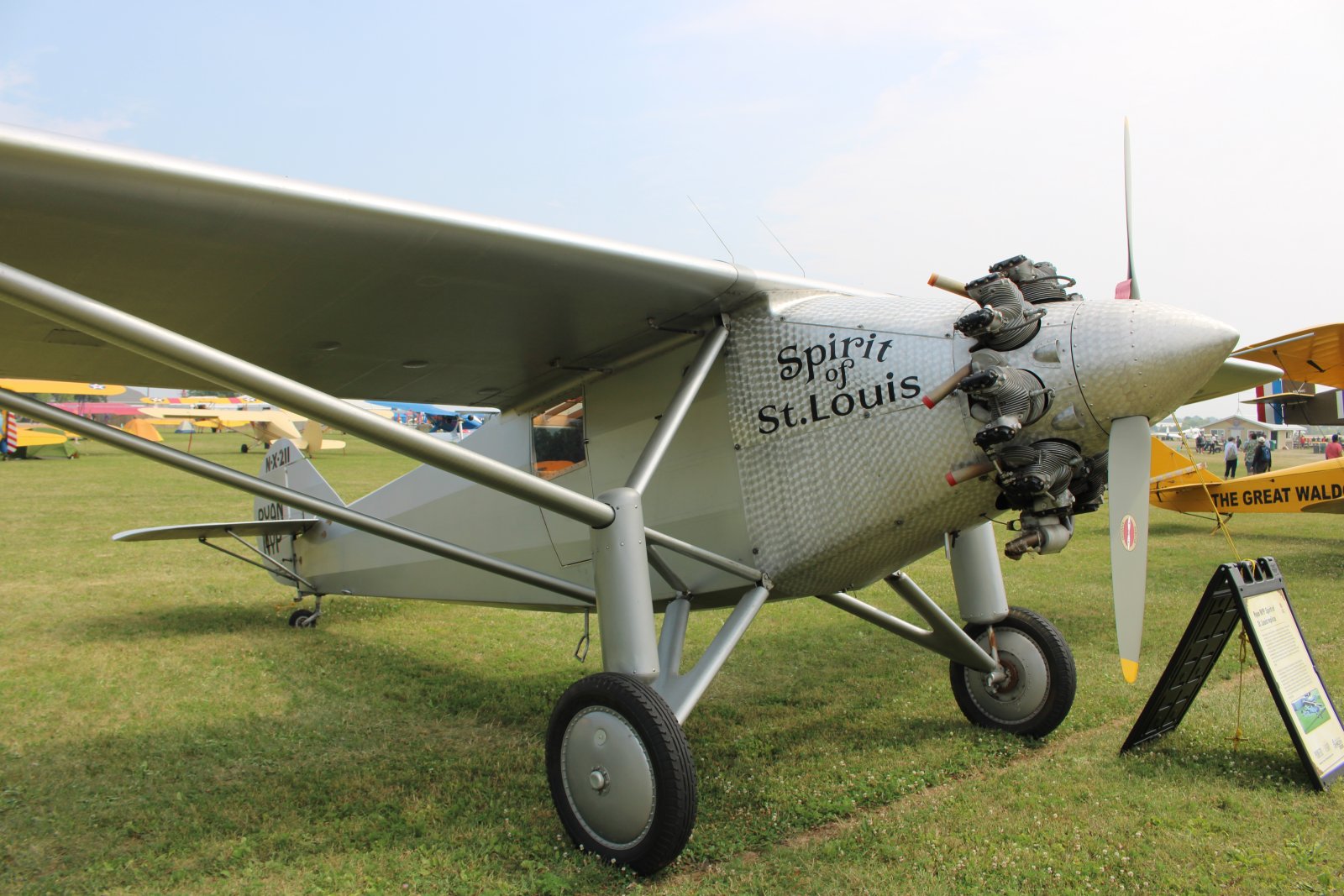
But people didn't stop asking EAA to bring the Spirit to airshows after the first one was retired. So EAA decided to build another.
Construction of the second replica began in early 1990, and it was completed by May 1991.
The second replica is considerably closer to a practical flying aircraft than the 1977 machine, featuring a Continental R-670-4 radial engine producing approximately 220 hp, carries about 100 gallons of fuel, 4,000-lb gross weight, approximately 85-mph cruise speed, and modernized systems while retaining the appearance and basic character of the original.
It is periodically taken out of the Ryan Hangar at EAA's Pioneer Airportand where it resides and is flown during the museum's flying season and at special events.
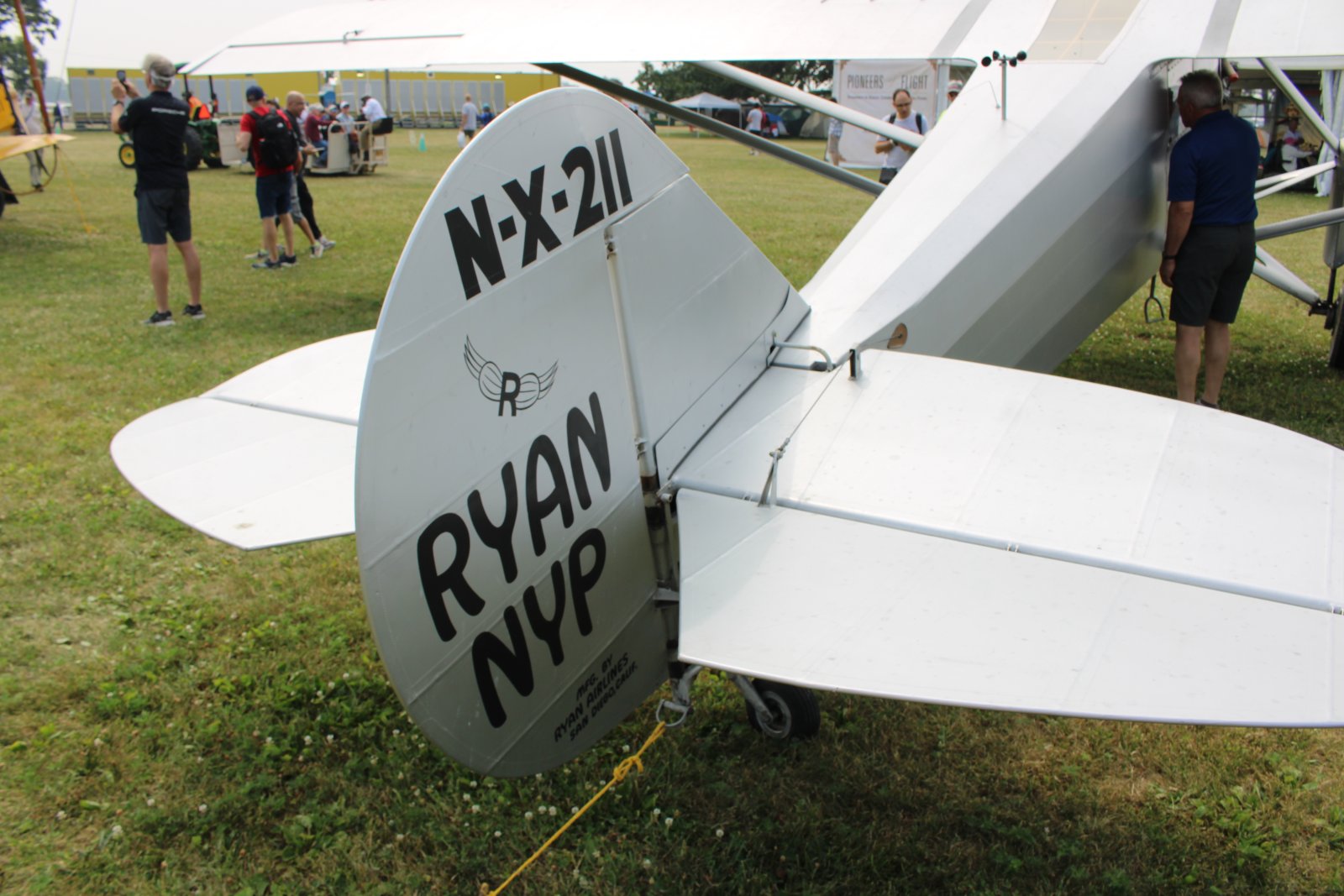
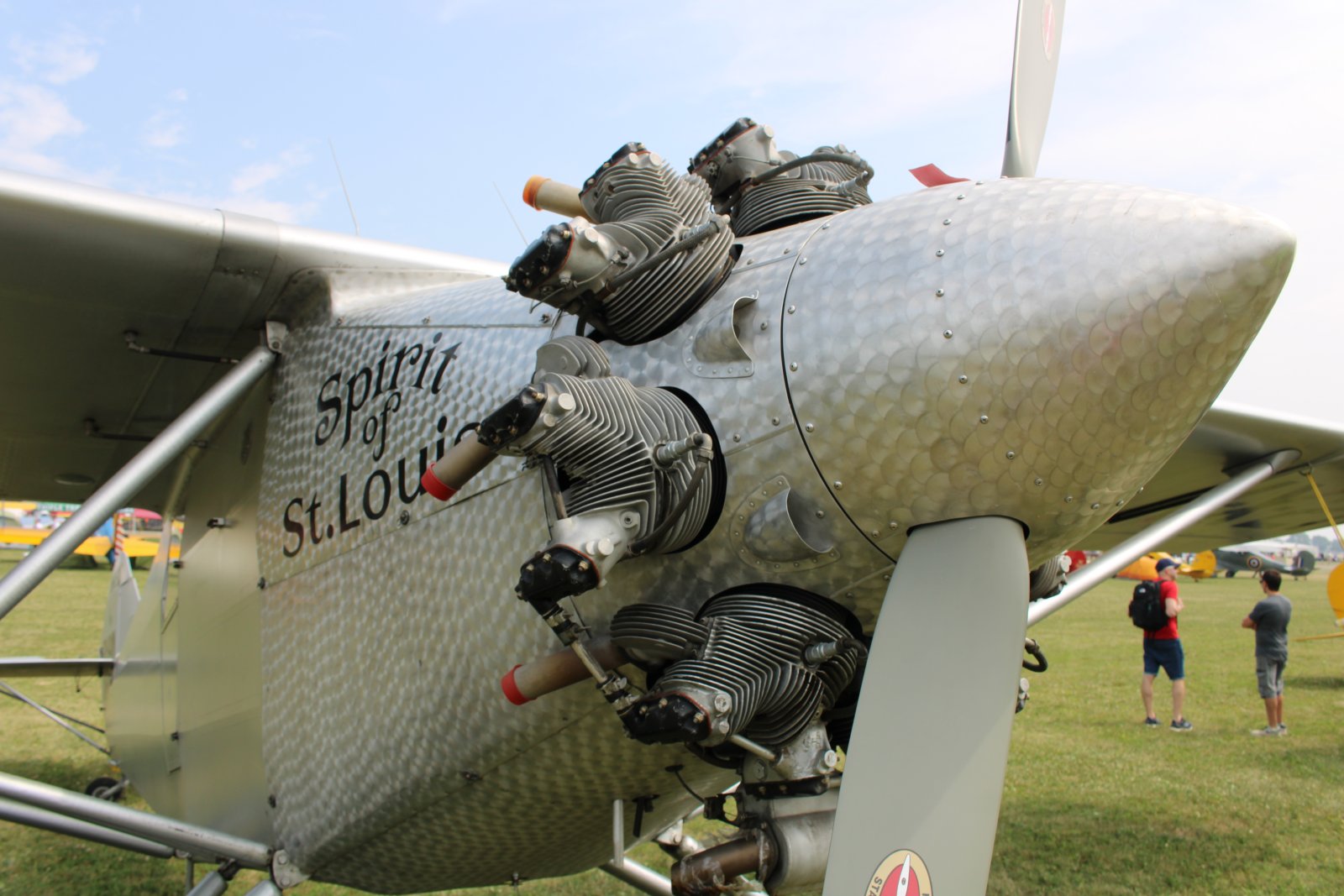
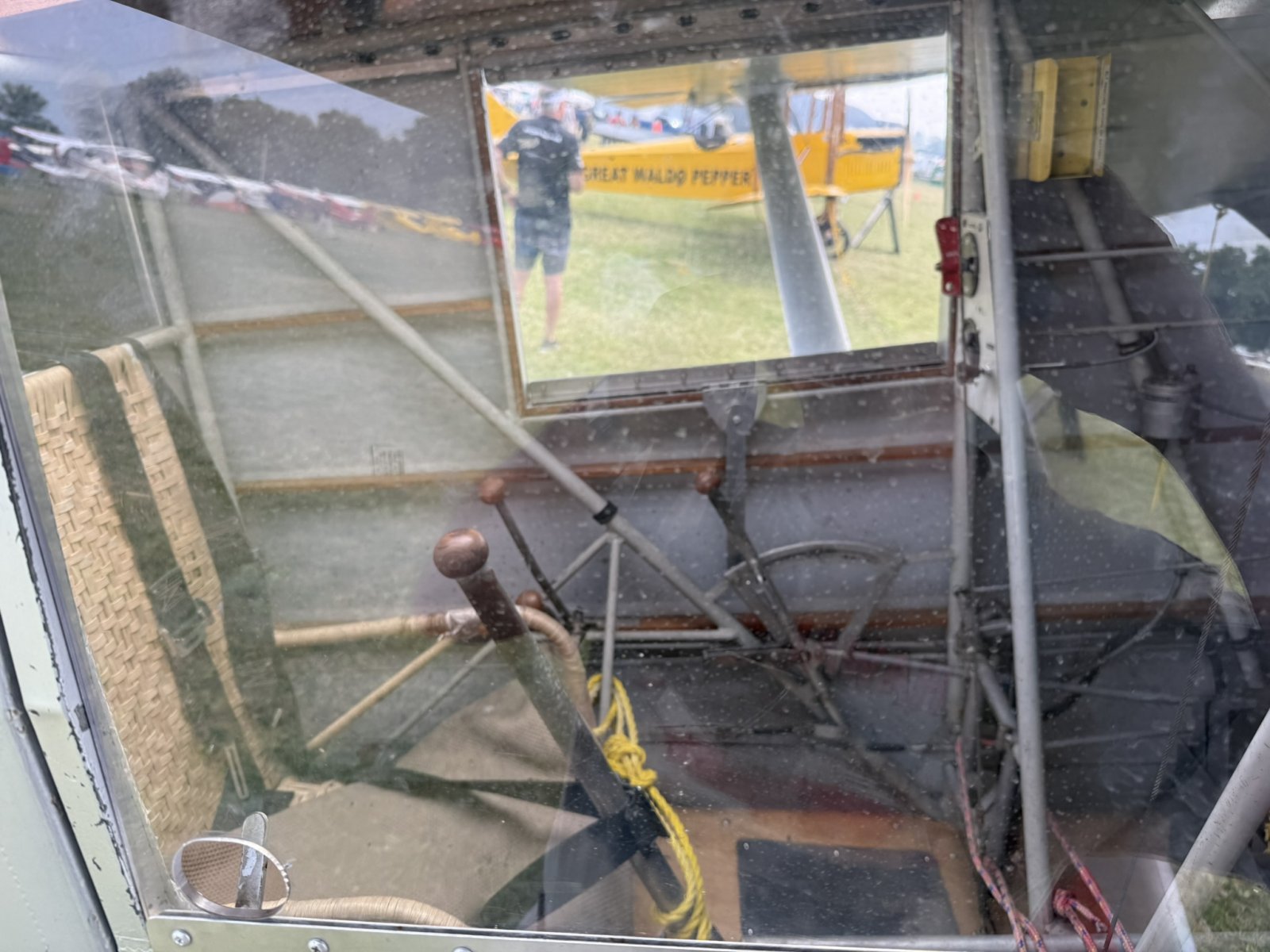
I believe the plane has a second seat forward where the original's big fuel tank was.
Can you imagine sitting in this seat, flying the Spirit for 33 1/2 hours?
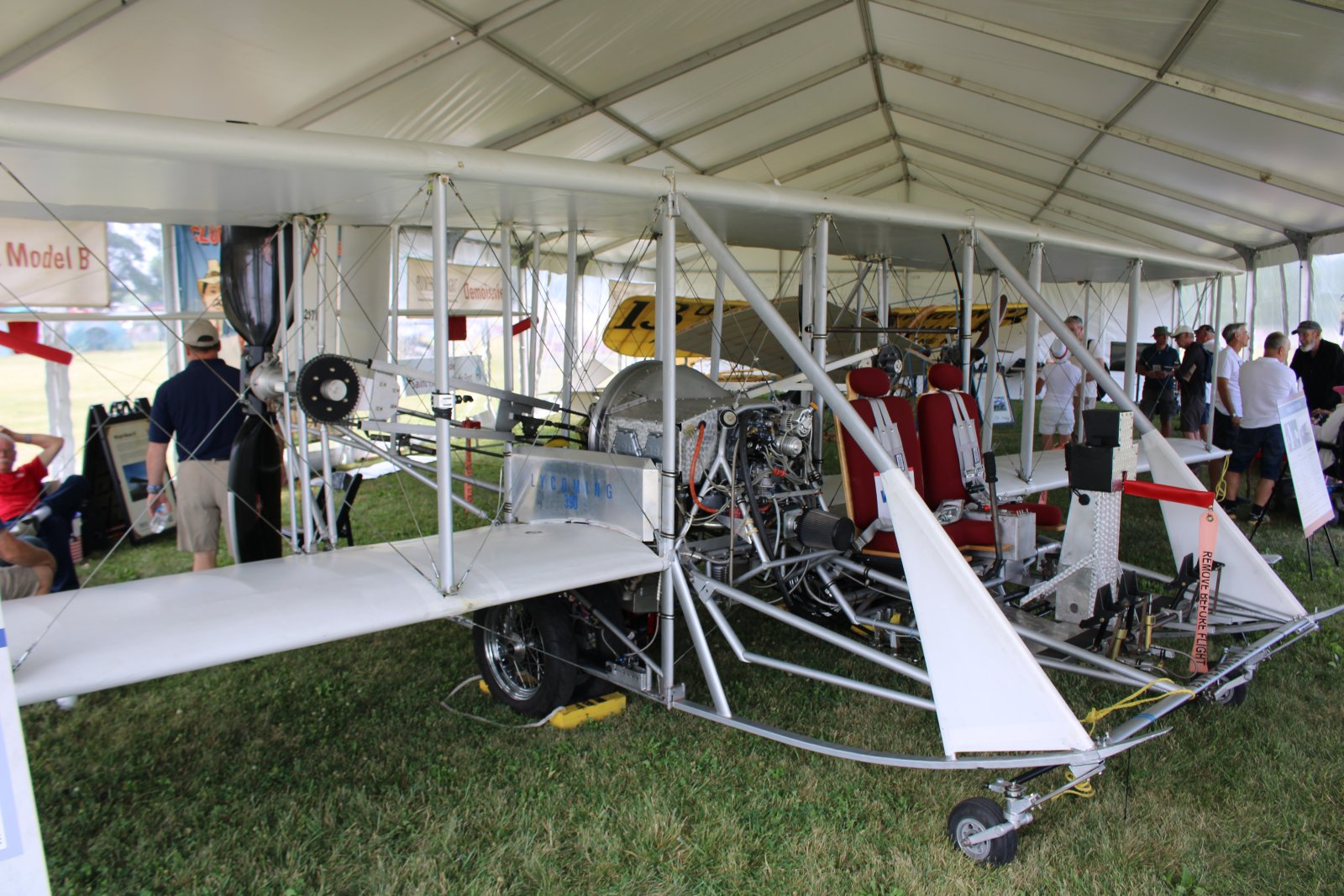
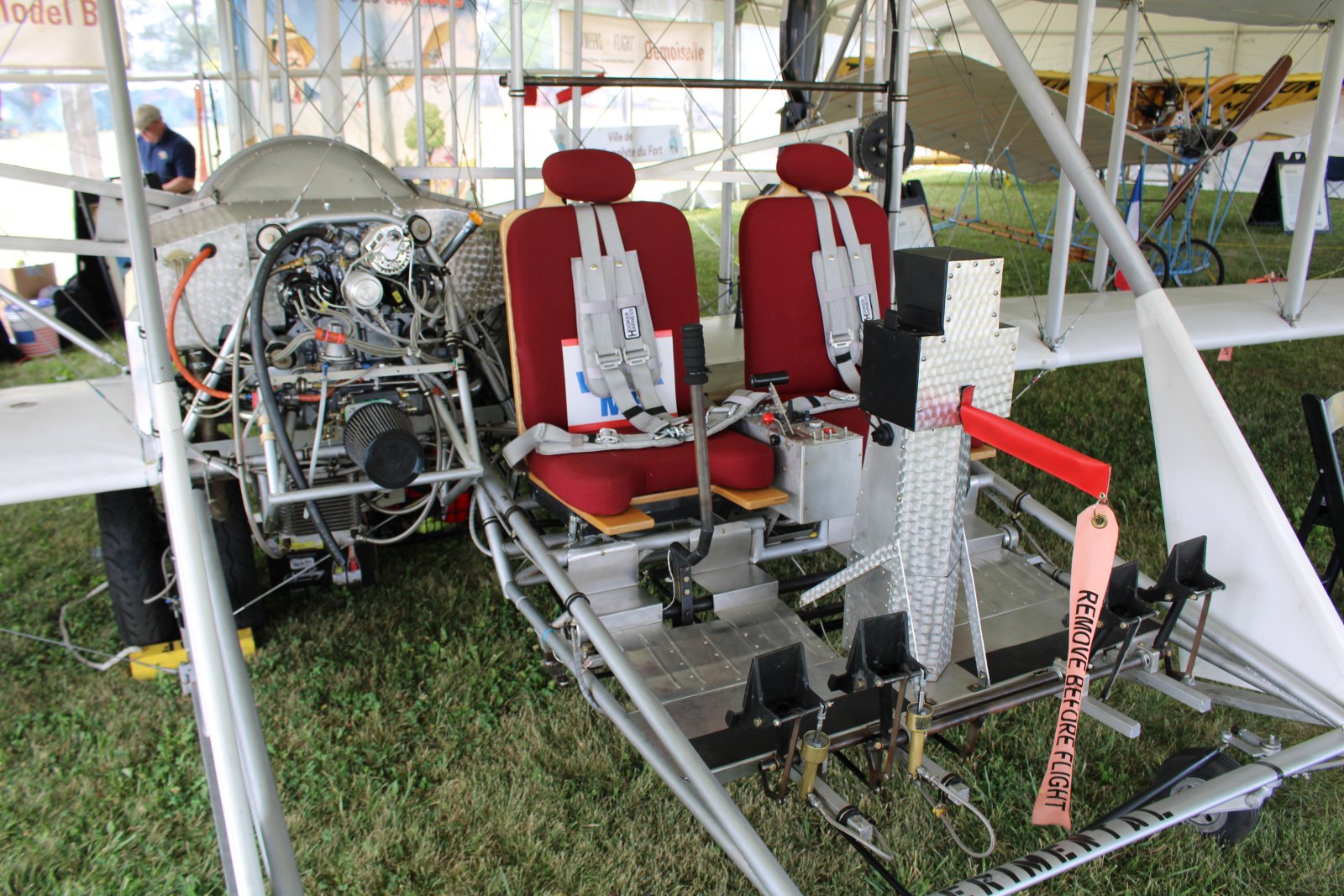
The White Bird looks remarkably primitive from the outside, but underneath it's a very modern machine. For example, the White Bird incorporate modern structural materials, a modern engine (Lycoming IO-390) and systems, and modern instrumentation including a Dynon SkyView!
Yet it retains the distinctive Wright characteristics, including the open-frame tail and twin, counter-rotating propellers driven by chains from a single engine.
The White Bird first flew in late 2021. The organization is working on getting FAA approval to be allowed to carry passengers.
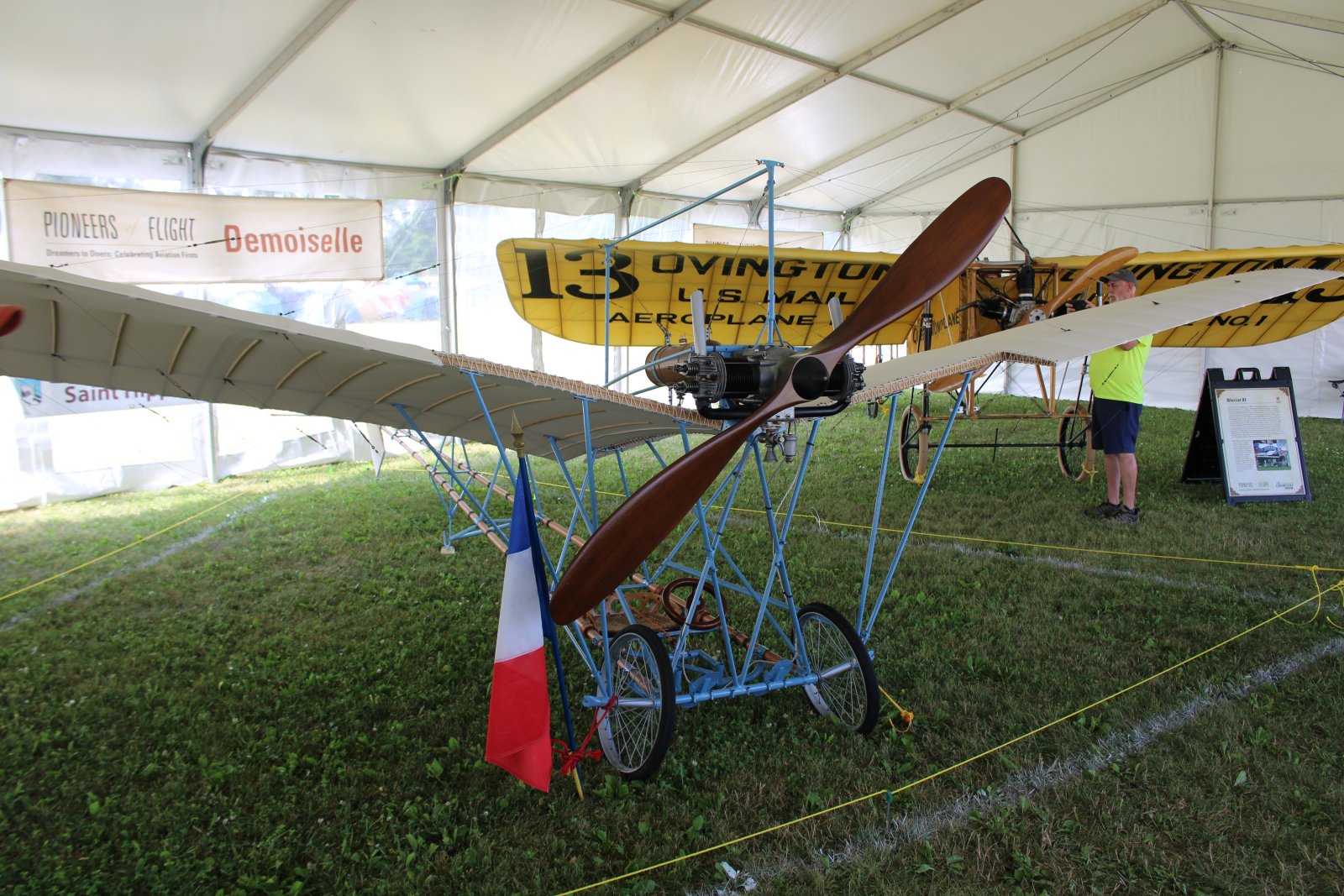
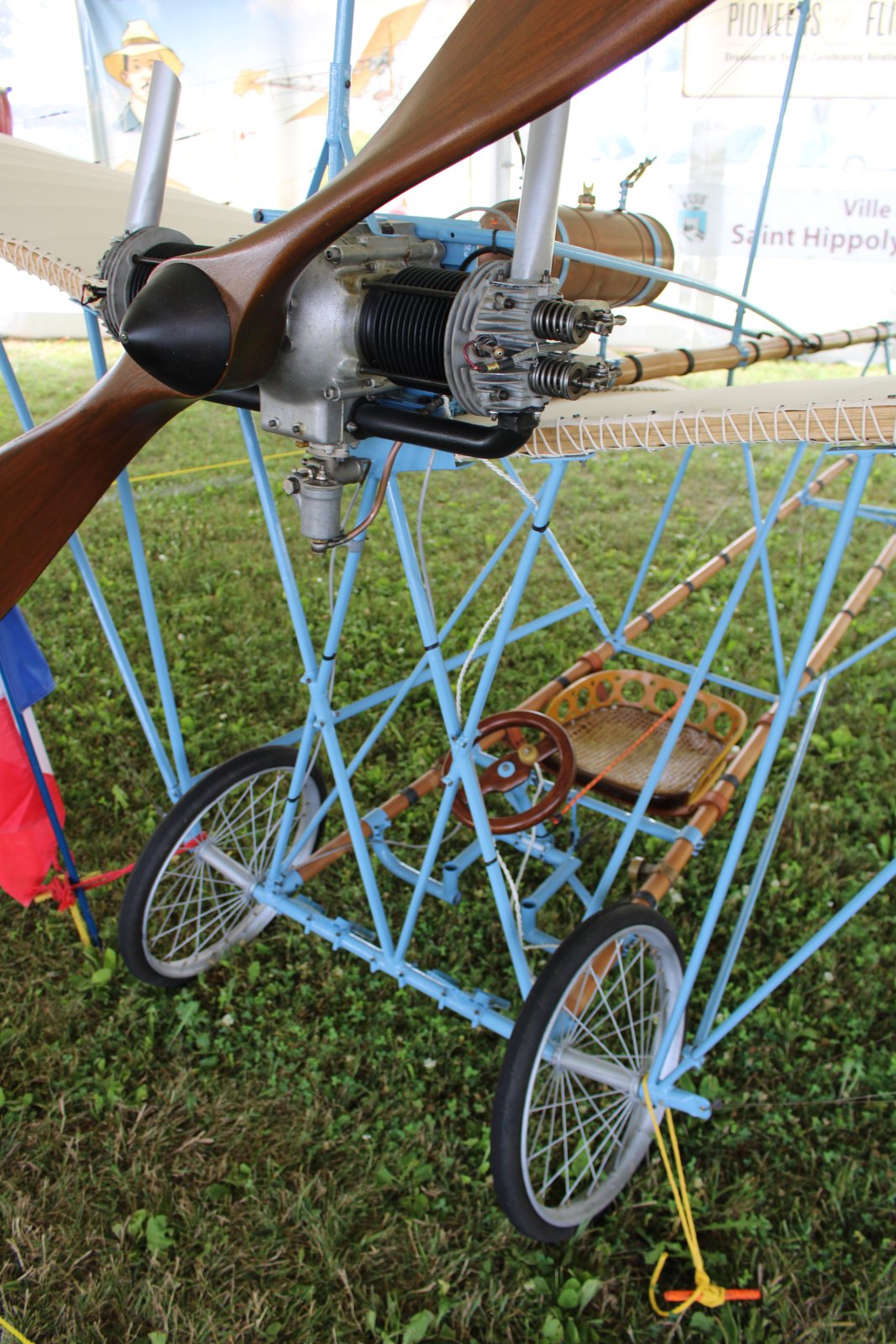
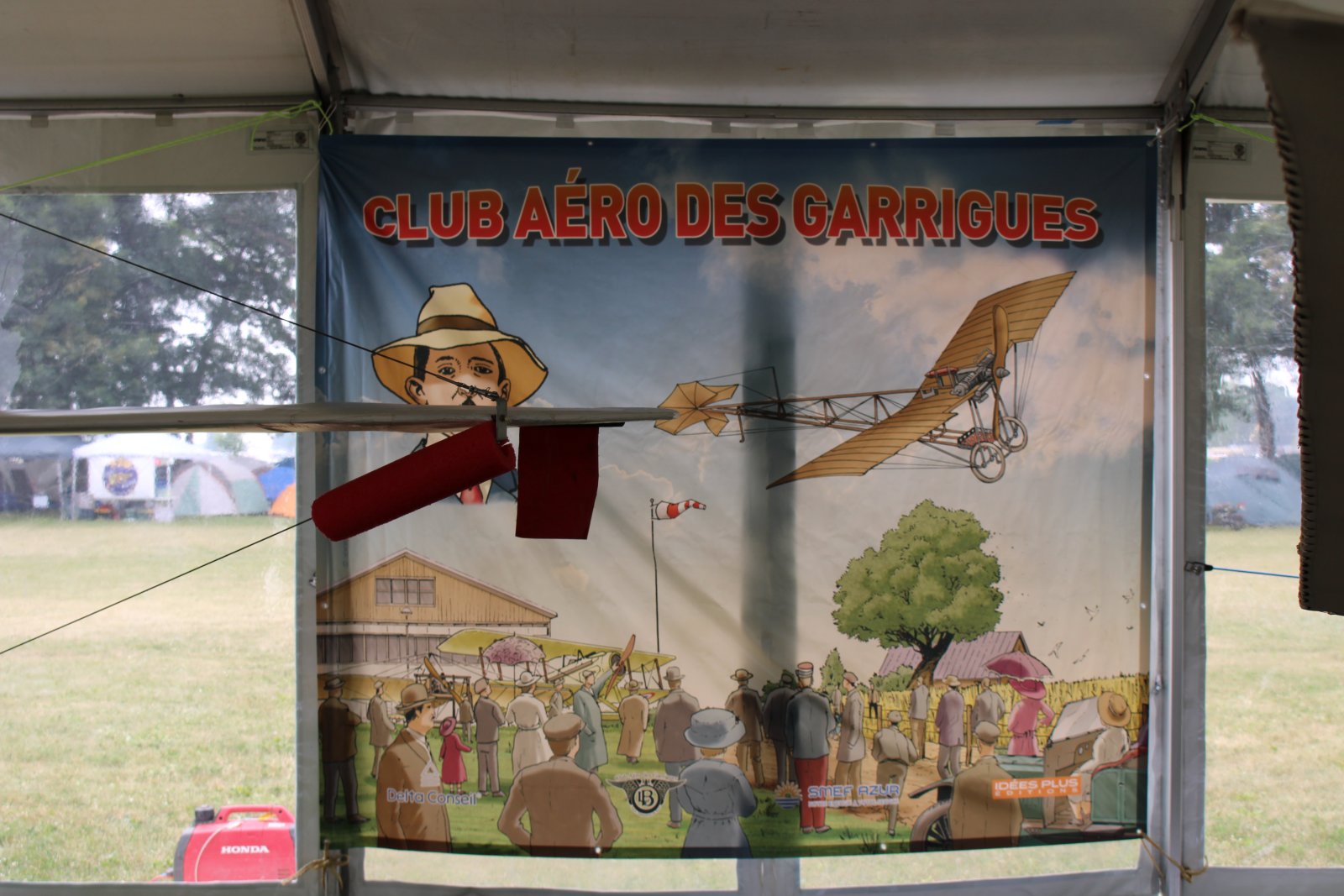
This particular airplane was built by Club Aéro des Garrigues, based at Saint-Hippolyte-du-Fort in southern France. The club's roots go back to an interest in the region's early aviation history. In 2018, its members decided to undertake something pretty extraordinary: build a Demoiselle as closely as possible to Santos-Dumont's original airplane, using the techniques and materials of 1907. They deliberately tried to reproduce the construction technology. They even obtained bamboo from La Bambouseraie in the Cévennes, the same general region from which Santos-Dumont obtained bamboo for his original airplane.About 50 volunteers, ranging in age from 18 to 75, participated in the project. The club says the project consumed approximately 11,000 hours of work over seven years. The EAA invited the French club to bring the airplane to AirVenture and here it is!
The Demoiselle was one of the most memorable airplanes in the great movie Those Magnificent Men in Their Flying Machines (1965). The French contestant, Pierre Dubois (played by Jean-Pierre Cassel), flew a replica of Alberto Santos-Dumont's Demoiselle in the fictional 1910 London-to-Paris race. The film's producers went to extraordinary lengths to make the aircraft actually fly, rather than relying on miniatures or obviously fake movie airplanes. They constructed a large fleet of working replicas of 1909–1910 aircraft. But despite the replica being so small and lightly loaded, initially it wouldn't fly. The production team progressively modified it—including increasing the wingspan and installing a more powerful Ardem 50-hp engine—but it still performed poorly. Then they realized that Santos-Dumont was a very small man. The original Demoiselle had been designed around his diminutive size and weight. The filmmakers recruited Joan Hughes, a highly experienced British pilot and instructor who had served as an ATA ferry pilot during WWII. She was small and light enough to make the difference. And suddenly the Demoiselle flew beautifully. Joan Hughes flew the Demoiselle in the movie's aerial sequences.
Two of the movie's other replicas—the Bristol Boxkite and Roe IV Triplane—survive with the Shuttleworth Collection and remain flyable. The Shuttleworth Collection resides at the Old Warden aviation museum in Bedfordshire, England, near the town of Biggleswade, about 45 miles north of central London. It has a working grass airfield. I need to visit it one of these days!
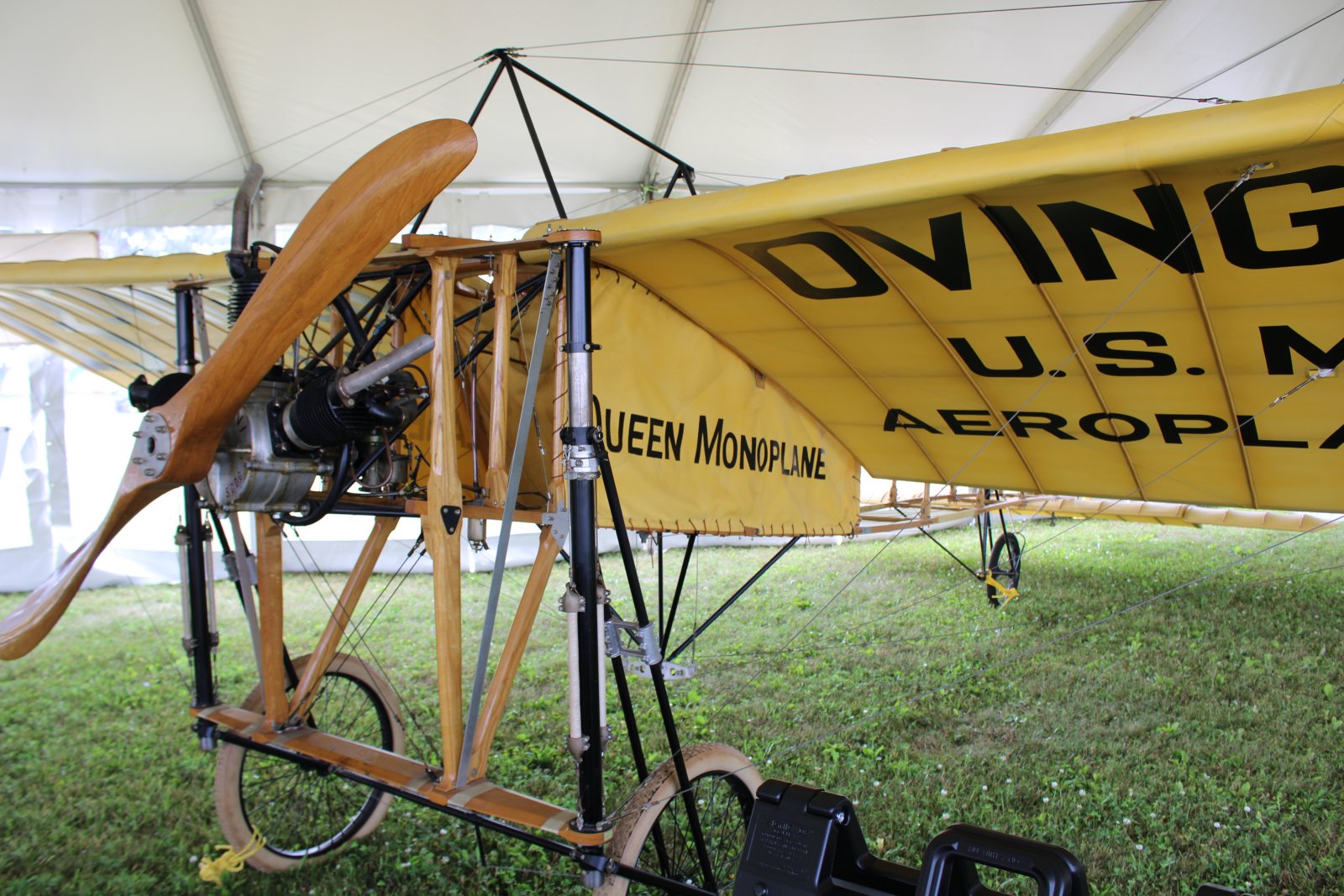
Below is EAA's replica of the Bleriot XI, one of the most historic aircraft in world history, the first to fly the English Channel, on July 25, 1909. Starting in 2007, the EAA's Blériot XI replica was completed in 2010, after about three years of construction by EAA staff and volunteers. The airplane was built around an original Anzani engine, just as the 1909 aircraft would have been. Other than a few "hops" at Pioneer Airport, the aircraft has never flown.
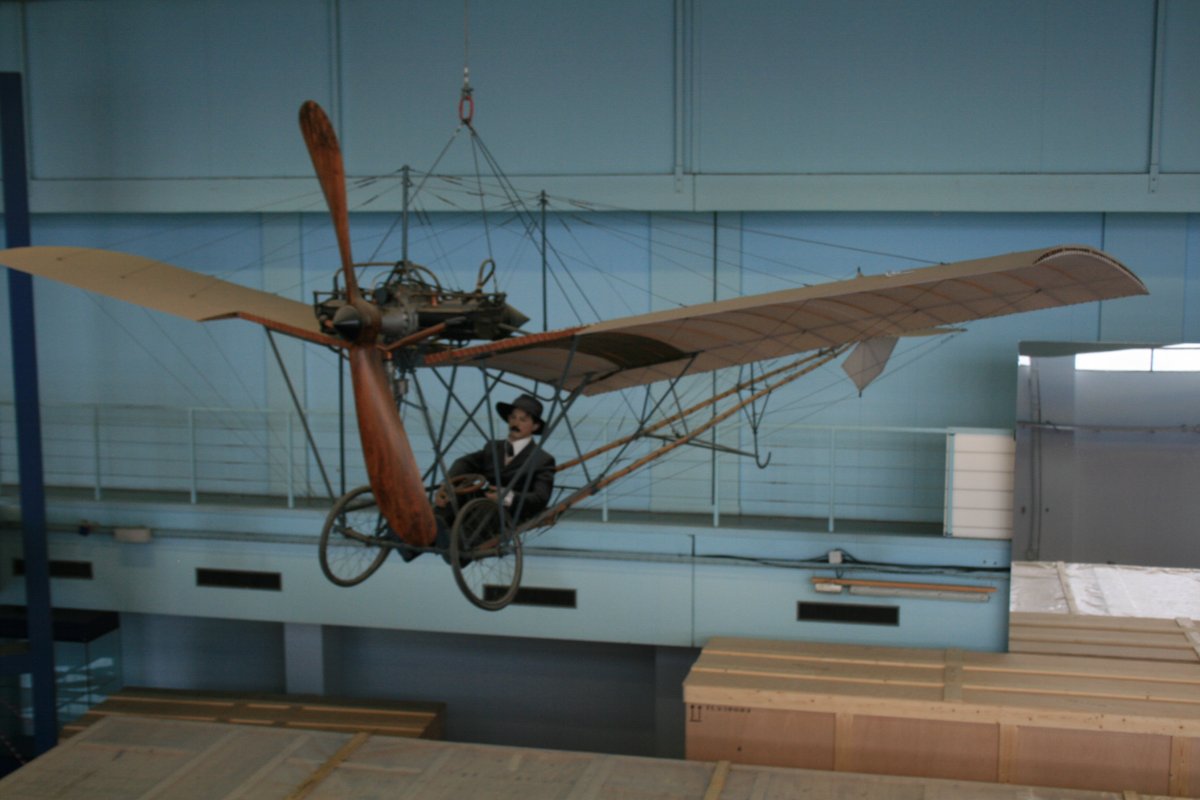
The actual Blériot XI airplane Bleriot flew across the English Channel in 1909 was recovered and returned to France. Rather than repair it and put it back into service, Blériot and others recognized that this particular airplane was historically priceless. It was preserved and subsequently entered the collection of the Conservatoire des Arts et Métiers in Paris on October 13, 1909. The airplane has essentially been a museum object for 117 years.
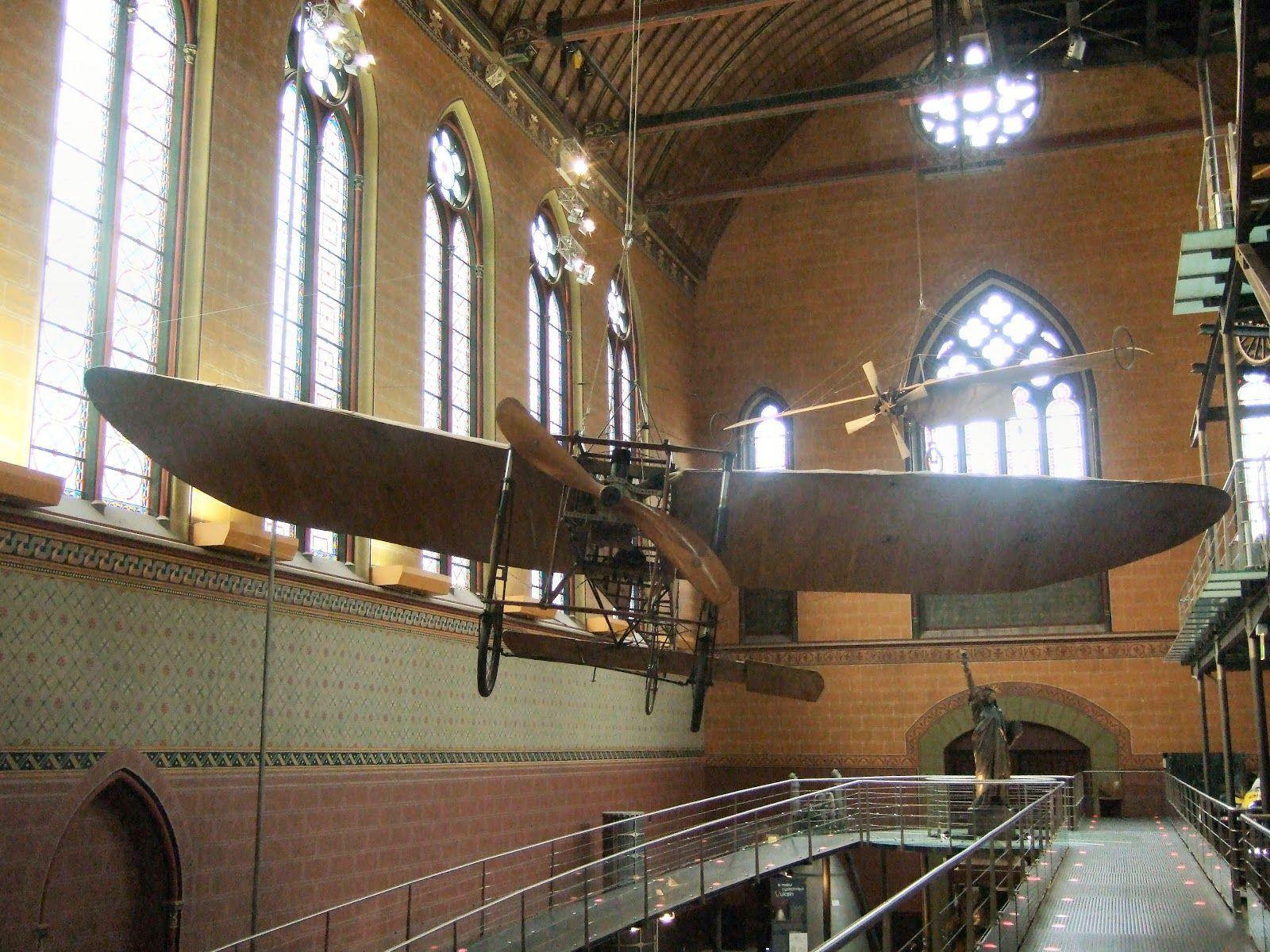
Below is a picture of the Bleriott XI suspended above the museum floor at the Musée des Arts et Métiers in Paris, in the spectacular former church of Saint-Martin-des-Champs. You walk into an enormous medieval church and look upward—and hanging above you is the little airplane that opened the English Channel to aviation.
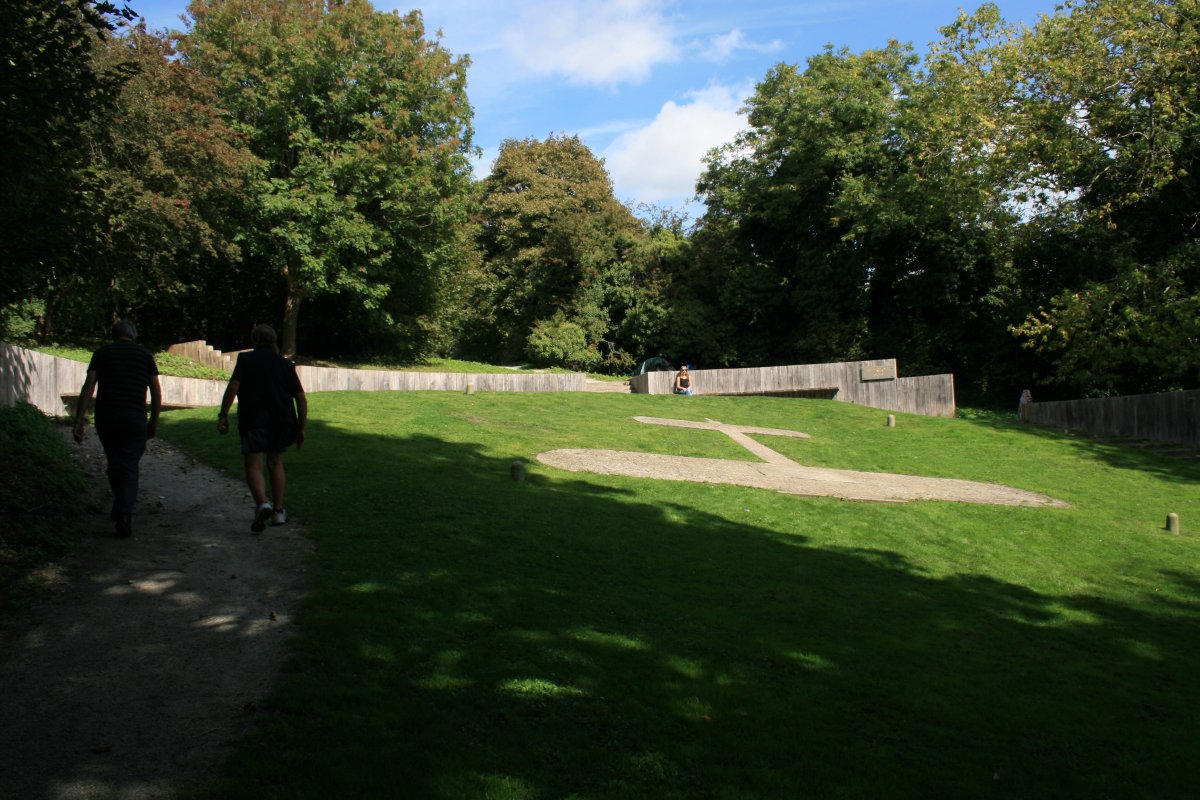
"At 4:15 am on the 25 July 1909, watched by an excited crowd, Blériot made a short trial flight in his Type XI, and then, on a signal that the sun had risen (the competition rules required a flight between sunrise and sunset), he took off at 4:41 for the attempted crossing. Flying at approximately 45 mph and an altitude of about 250 ft, he set off across the Channel. Not having a compass, Blériot took his course from the Escopette, which was heading for Dover, but he soon overtook the ship. The visibility deteriorated, and he later said, "for more than 10 minutes I was alone, isolated, lost in the midst of the immense sea, and I did not see anything on the horizon or a single ship".
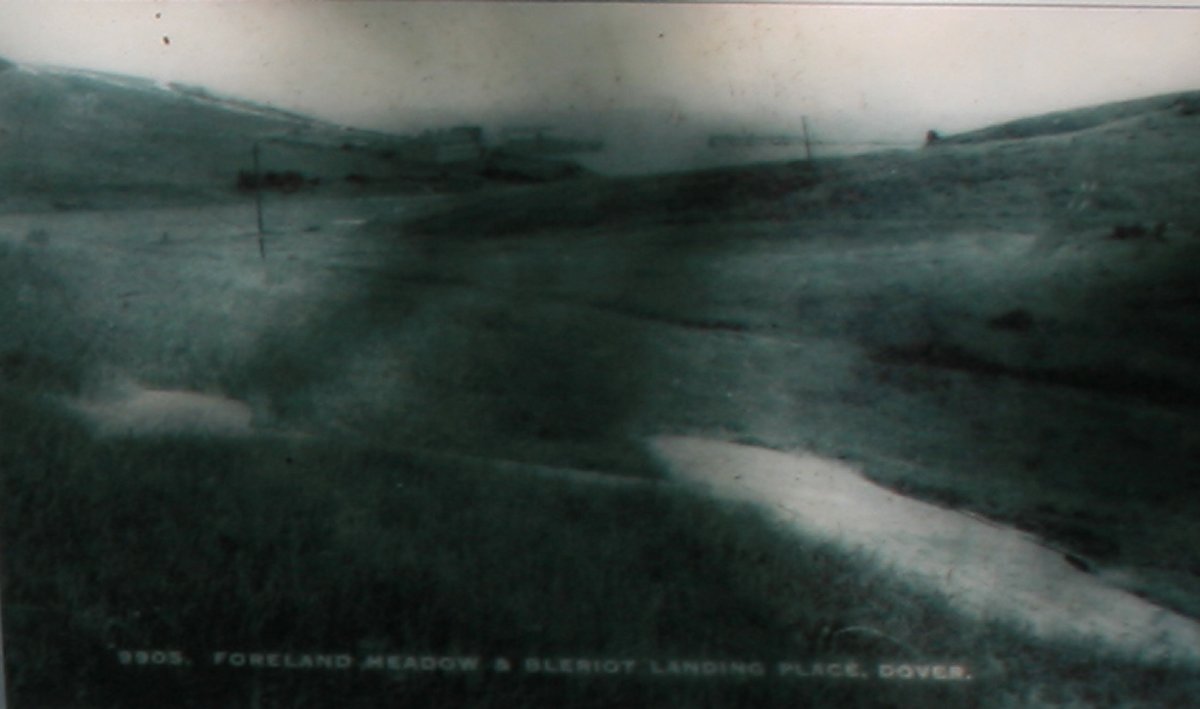
The grey line of the English coast, however, came into sight on his left; the wind had increased, and had blown him to the east of his intended course. Altering course, he followed the line of the coast about a mile offshore until he spotted Charles Fontaine, the correspondent from Le Matin waving a large Tricolour as a signal. Unlike Latham, Blériot had not visited Dover to find a suitable spot to land, and the choice had been made by Fontaine, who had selected a patch of gently sloping land called Northfall Meadow, close to Dover Castle, where there was a low point in the cliffs. Once over land, he circled twice to lose height, and cut his engine at an altitude of about 66 ft, making a heavy "pancake" landing due to the gusty wind conditions; the undercarriage was damaged and one blade of the propeller was shattered, but Blériot was unhurt. The flight had taken 36 minutes and 30 seconds."
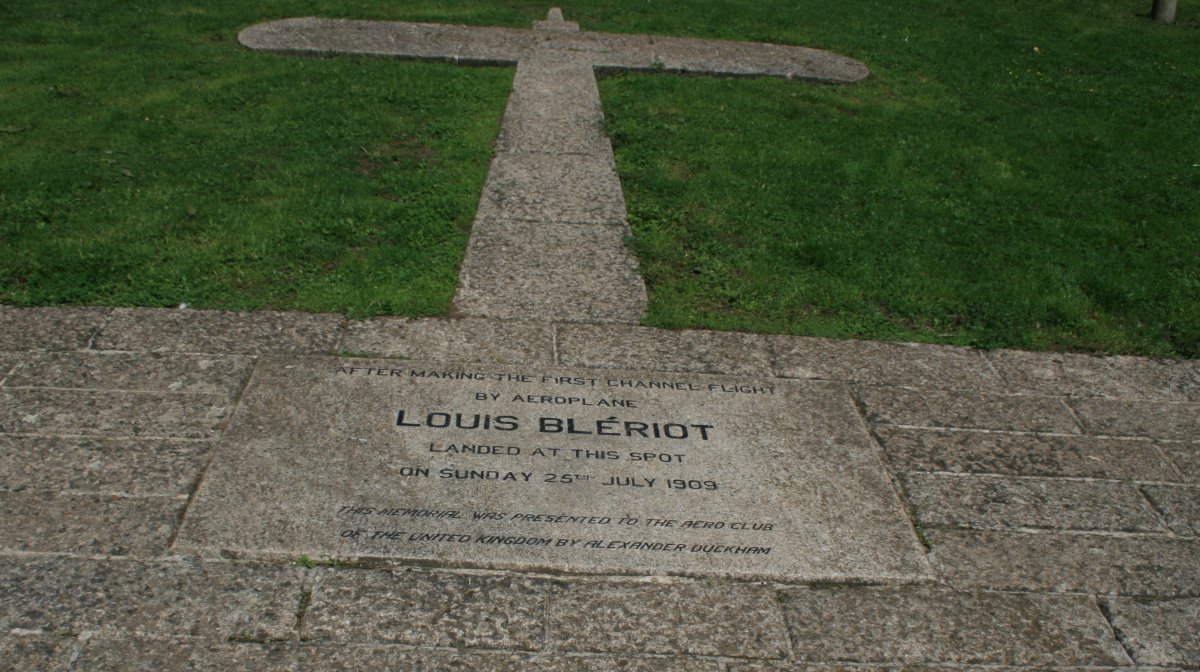
The landing site is now a clearing in a wooded area. But of course, in 1909, as you can see from this picture taken soon after the landing, the area then was treeless.