July 19-26, 2026 - AirVenture 2026
Boeing Plaza
|
|
I probably strolled through Boeing Plaza at least once every day because showplanes are constantly being shuffled in and out and you never know what you will find. For a long time, this show center area was named Aeroshell Square. But I guess Aeroshell decided not to spend the big bucks for it anymore. They also dropped sponsorship of the Aeroshell Aerobatic Team in the four T-6s -- it is now the Titan Aerobatic Team. I wonder what is going on with Aeroshell?
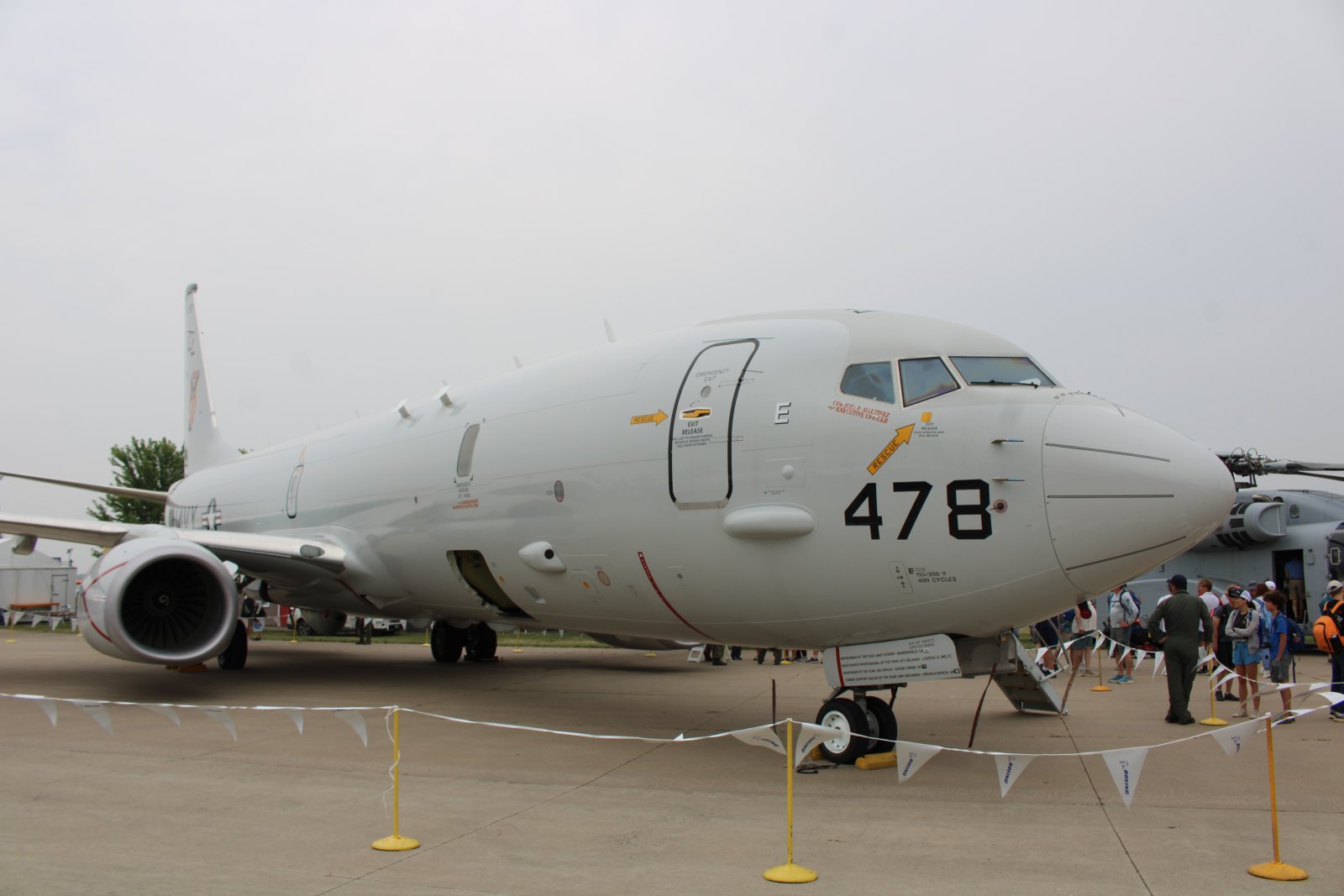
But I was happy to see this U.S. Navy P-8 Poseidon in Boeing Plaza from the start.
Long-time readers know I flew in P-3 Orions during my Navy career. The P-8 replaced the P-3 so naturally I am interessted in it.
|
| |
 |
|
|
On 4 March 2012, the first production P-8A was delivered to the USN, flying to Naval Air Station Jacksonville, Florida, for training with the Fleet Replacement Squadron (FRS), Patrol Squadron 30 (VP-30). A second squadron, VP-5, completed its transition to the P-8 in August 2013.
In addition to the U.S. Navy, the P-8 is also operated by the Indian Navy, the Royal Australian Air Force, the United Kingdom's Royal Air Force, the Republic of Korea Navy, the Royal Norwegian Air Force, the Royal New Zealand Air Force and the German Navy. It also has been ordered by the Republic of Singapore Air Force, the Royal Canadian Air Force and the Royal Danish Air Force.
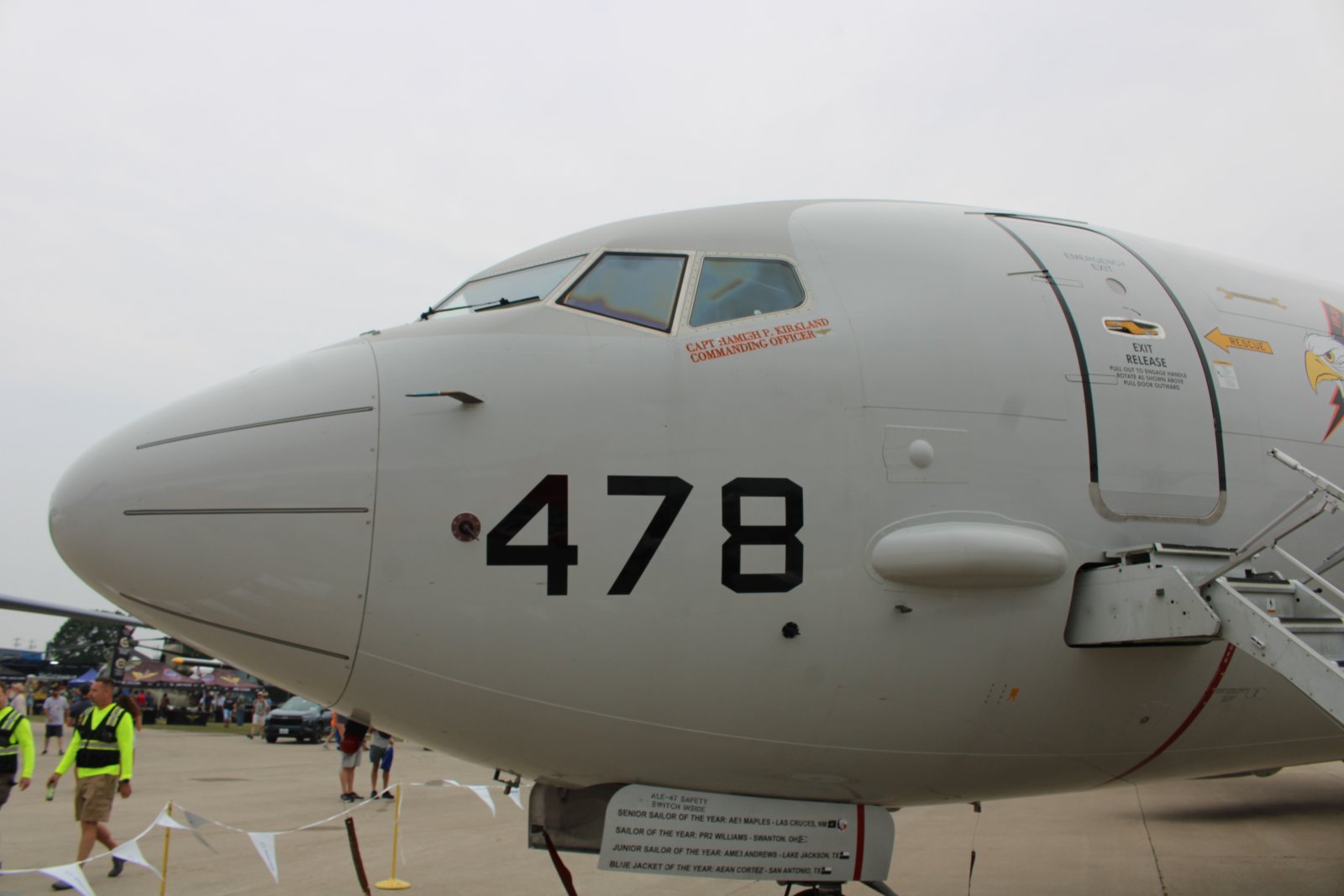
The P-8 is a 737-800ERX, roughly similar to the 737-800 commercial passenger aircraft and the USN's 737-700-based C-40 Clipper transport aircraft, but with several modifications to make it suitable for its military service role. Many of the changes reflect the need for the aircraft to operate at lower altitudes and be capable of more aggressive maneuvering than a commercial aircraft.
The aircraft is assembled at the Boeing Renton Factory with the stronger wings from the 737-900.
|
| |
 |
|
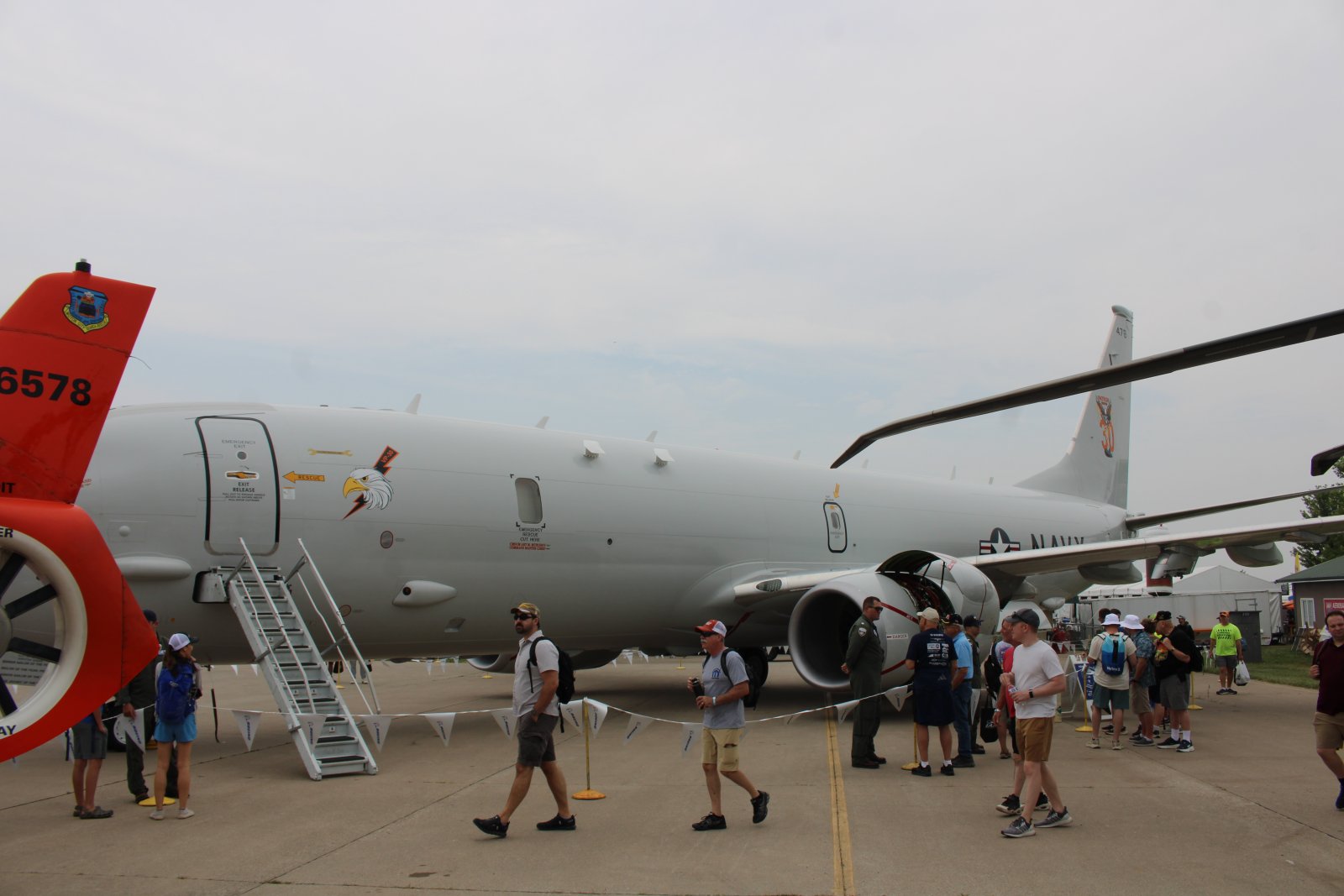
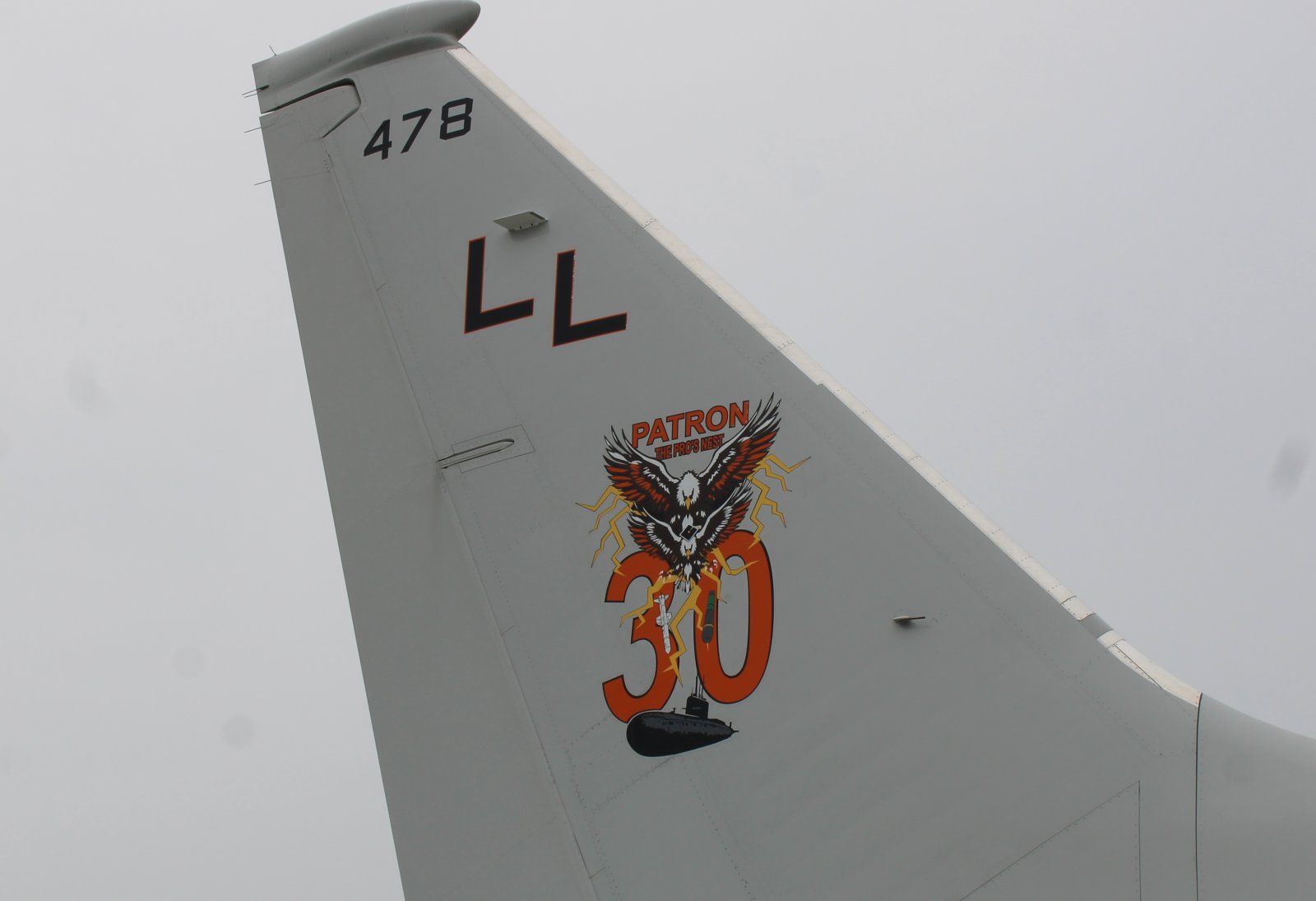
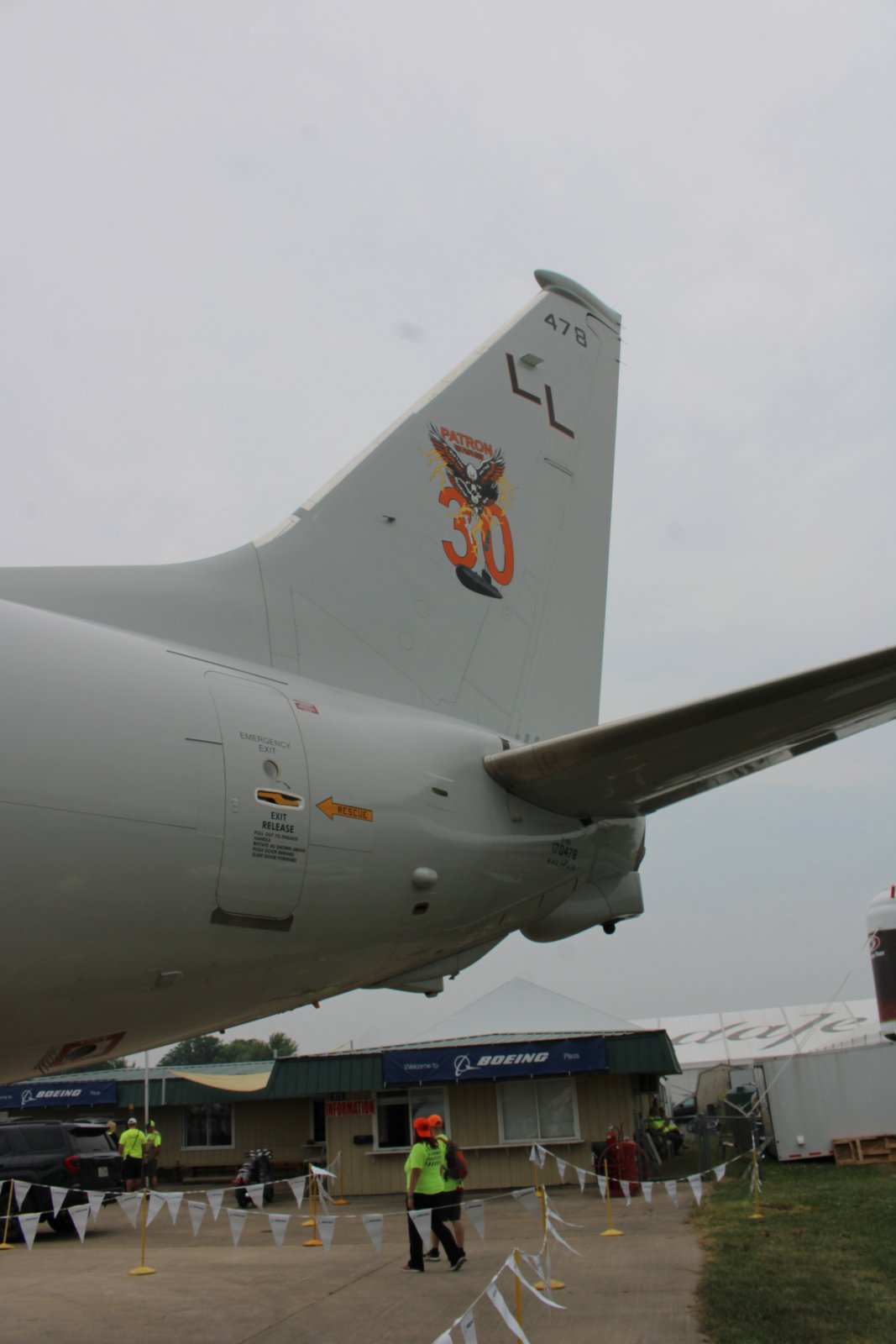
| This bird is from Patrol Squadron 30 (VP-30), which is the Replacement Air Group or "RAG". Basically it's the training squadron. New and returning officers and enlisted aircrew go to the RAG for training prior to joining the fleet squadrons. VP-30 is considered a career-enhancing job; the cream of the crop work there. |
| |
 |
|
| |
| |
 |
|
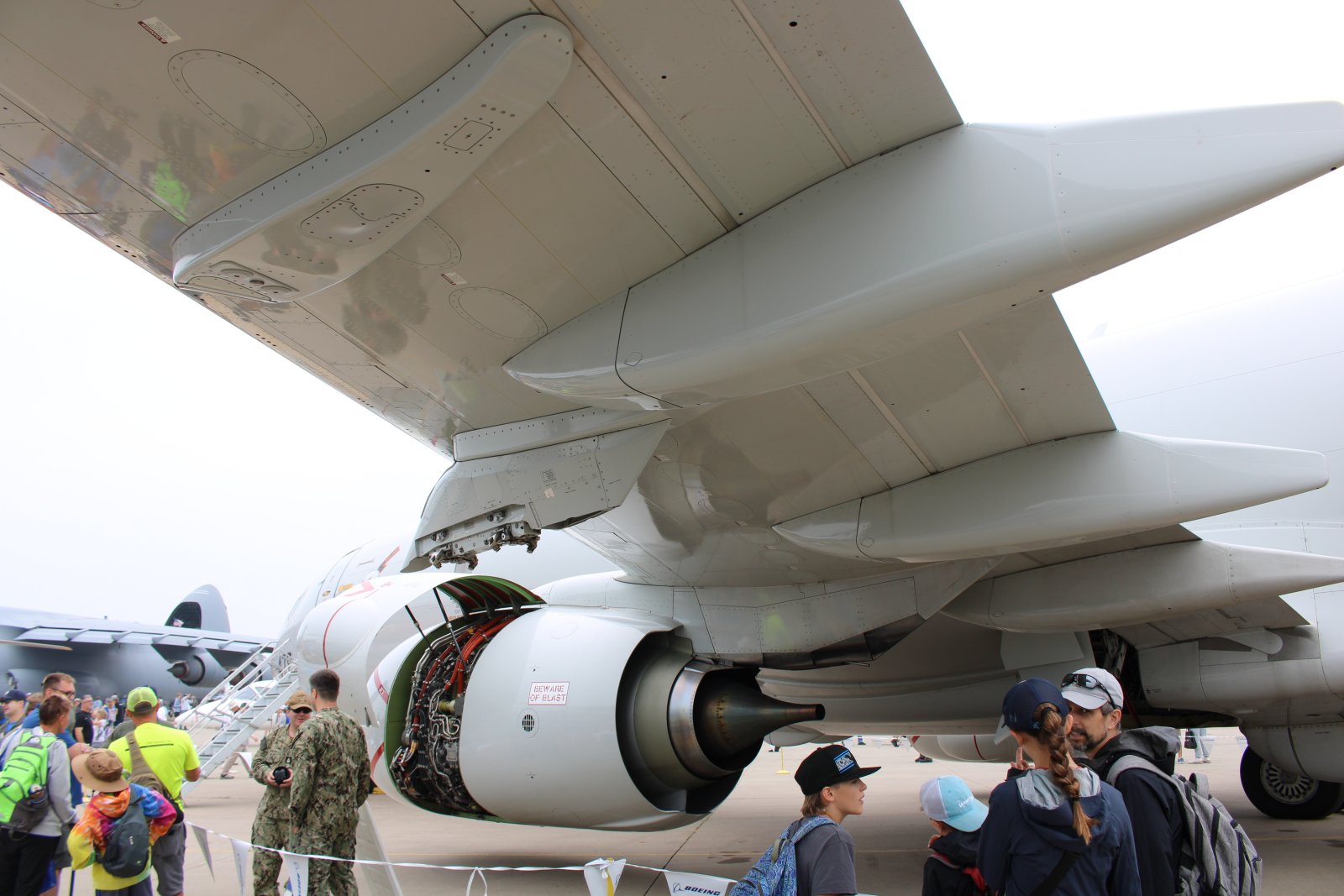
| The P-8 can carry all sorts of weapons on its wing racks. |
| |
 |
|
| The bumps and protrusions are sensors. |
| |
 |
|
|
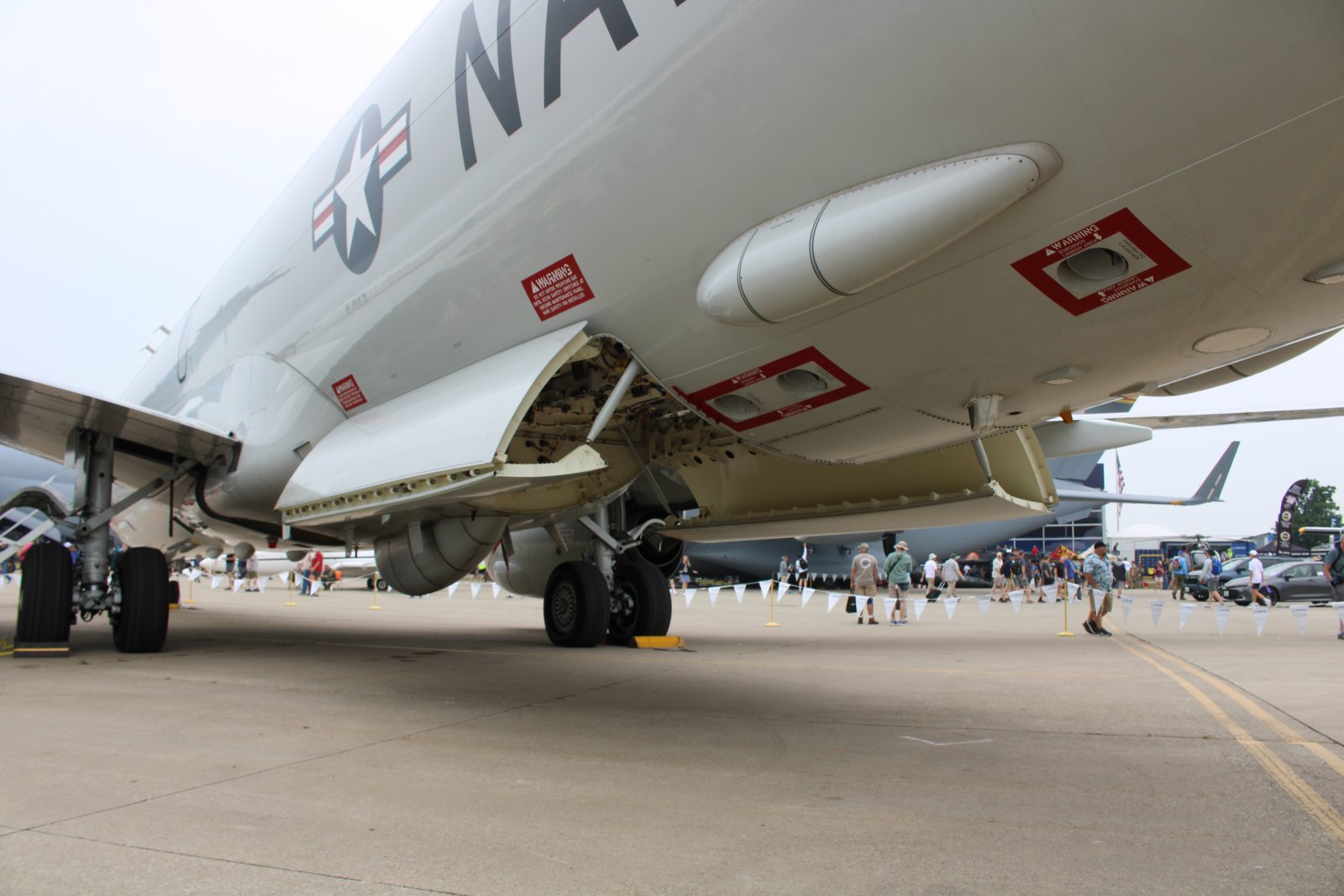
Notice the P-8's bomb bay and sonobuoy tubes. Homing torpedoes and/or mines are carried in the bomb bay.
The P-8's primary mission is anti-submarine warefare and maritime patrol, but because of its large aircrew, ability to carry many weapon types, many different sensors, and long endurance, it can perform all sorts of useful missions.
|
| |
 |
|
|
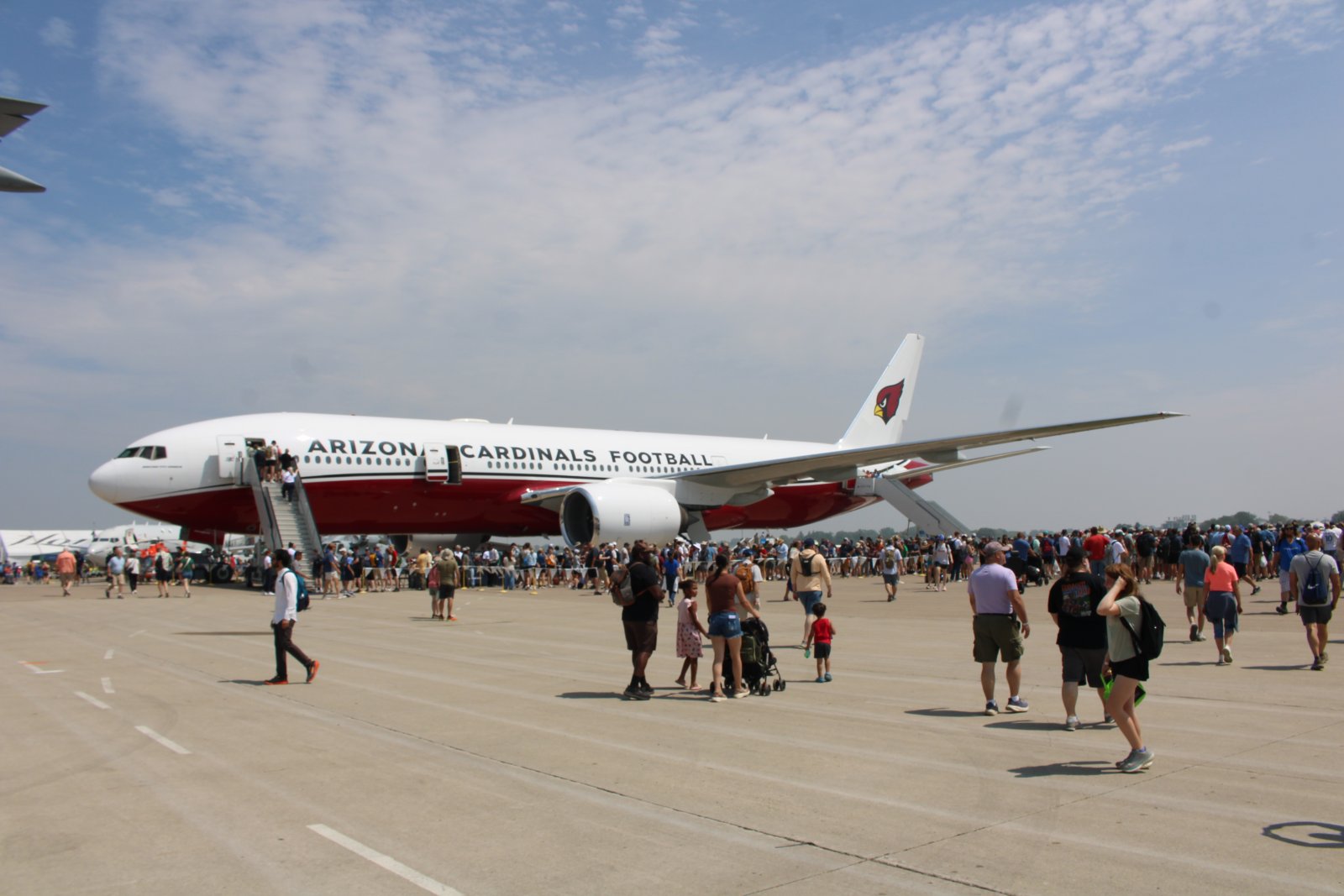
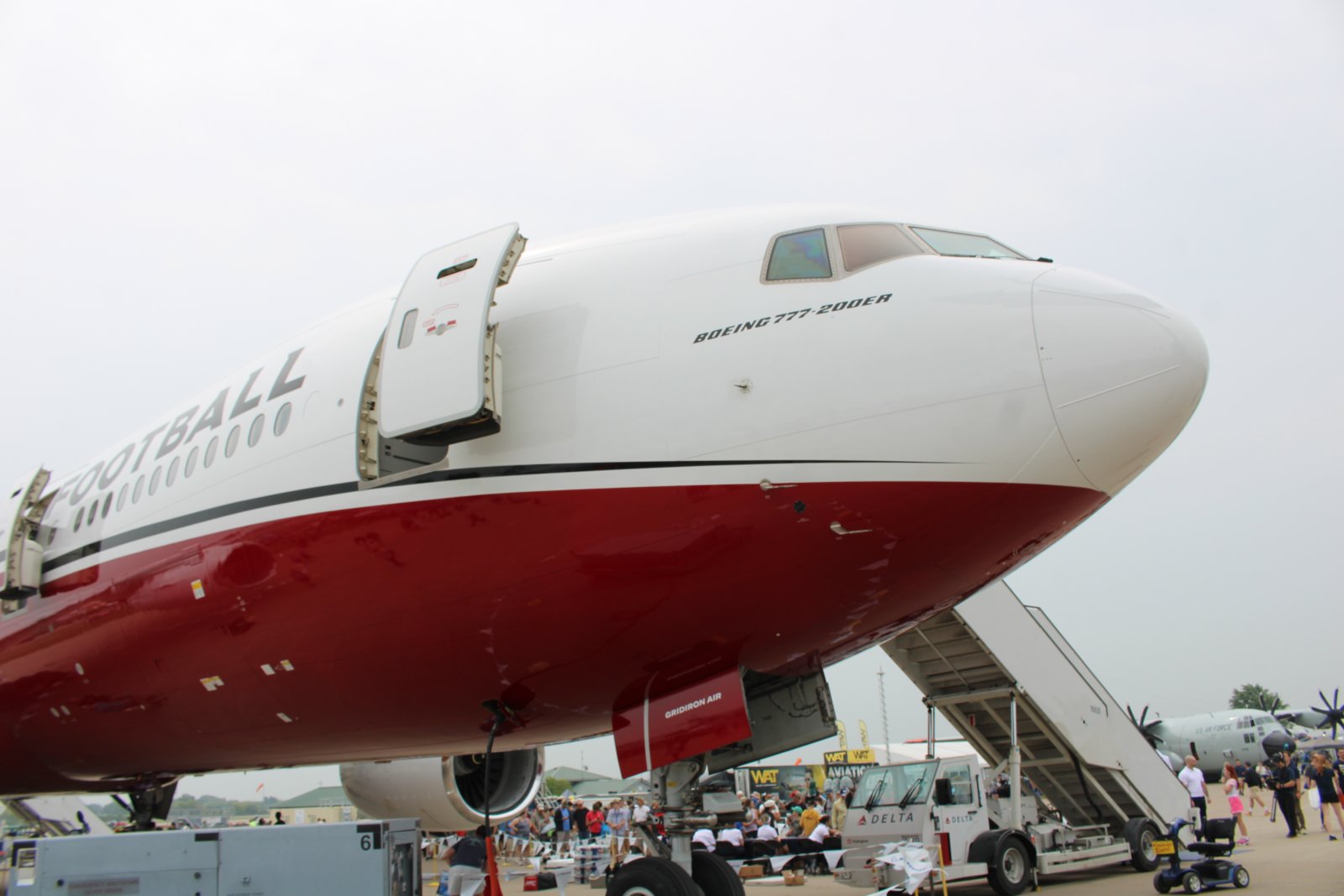
Did you know that the Arizona Cardinals Football team owns their own private jet airliner? A large Boeing 777 no less.
|
| |
 |
|
|
In December 2021, the Cardinals purchased a Boeing 777-200ER to transport players, coaches, staff, and equipment to away games. The aircraft was acquired after being retired from Delta Air Lines and was reconfigured for the team's needs.
Seating includes 28 lie-flat first-class pods, and 48 business-class seats. TWotal seating is for about 275–288 passengers.
The Cardinals travel a long way each season because Phoenix is relatively isolated from many NFL cities, so owner Michael Bidwill viewed the aircraft as both a comfort and competitive advantage. He's also a licensed pilot and longtime aviation enthusiast.
When it isn't needed for Cardinals games, it is chartered to other sports teams and organizations, helping offset operating costs. In recent years, the team has even offered fans the opportunity to travel on the same type of 777 for select away games through its "Cardinals Premier Travel" program.
The Cardinals were only the second NFL franchise to own their own wide-body airliner, following the New England Patriots, whose aircraft are Boeing 767s.
|
| |
 |
|
|
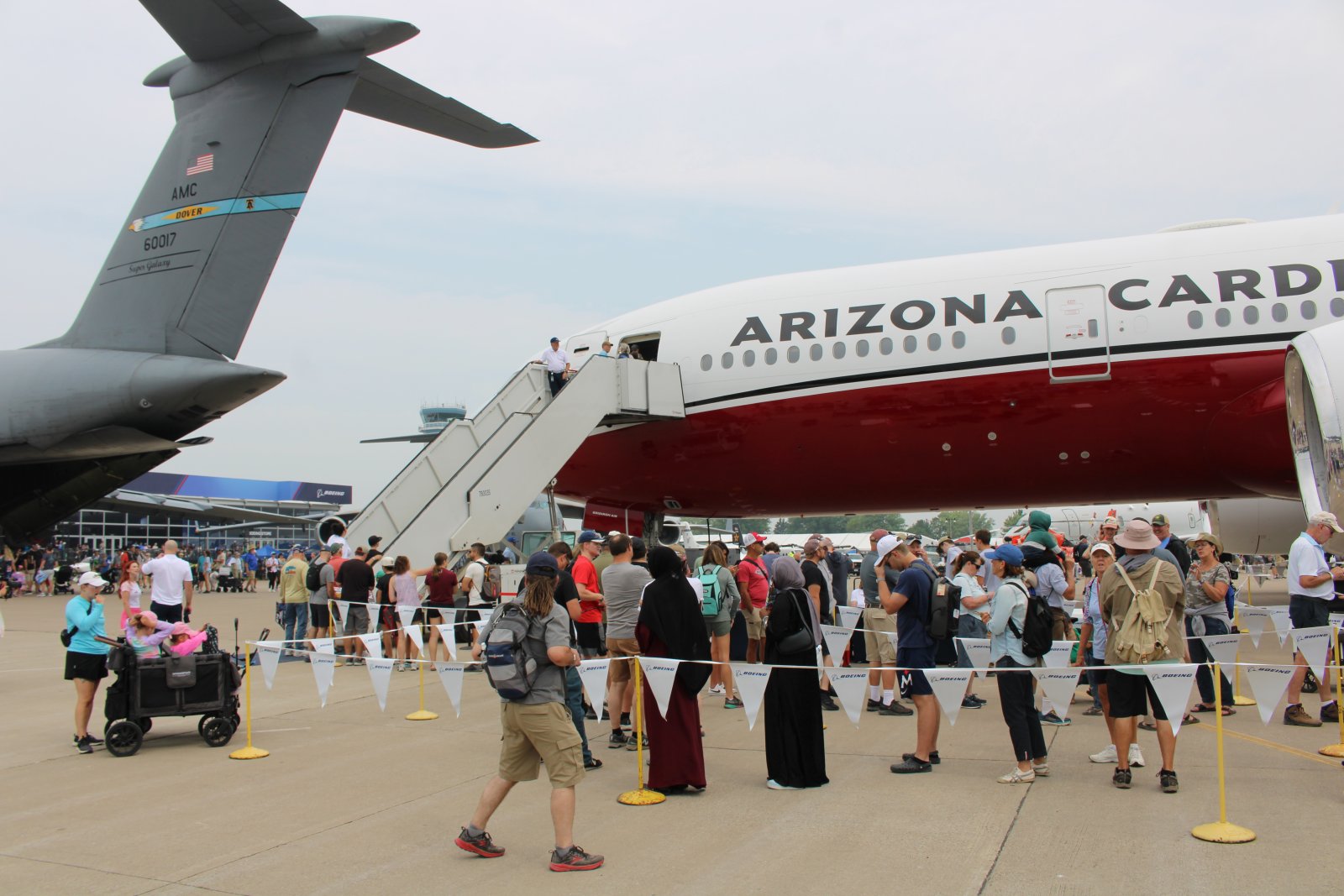
You would walk through the plane but the line was very long so I passed on it.
The Cardinals travel well but frankly that hasn't translated into wins on Sunday.
|
| |
 |
|
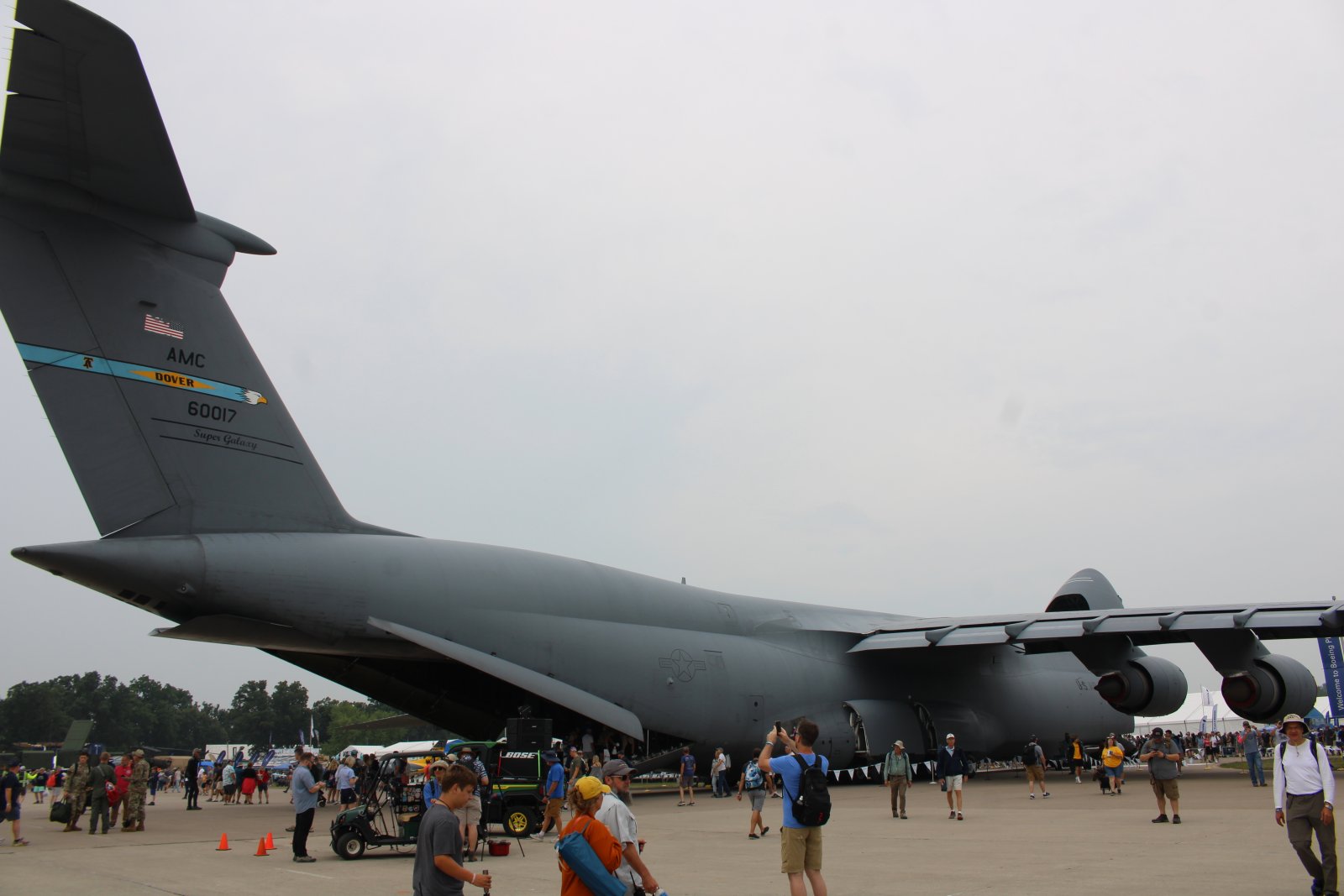
| A big C-5 Galaxy. |
| |
 |
|
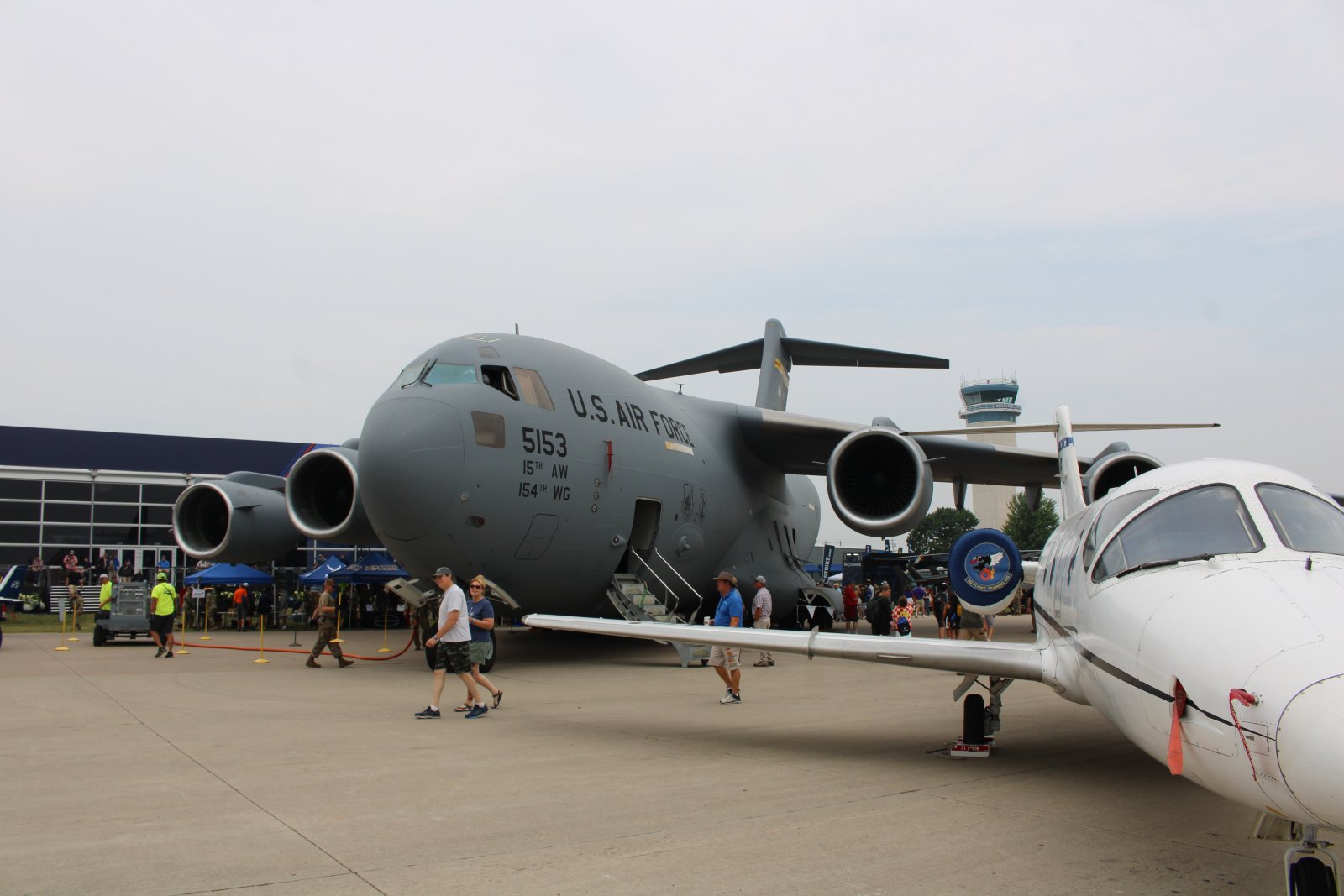
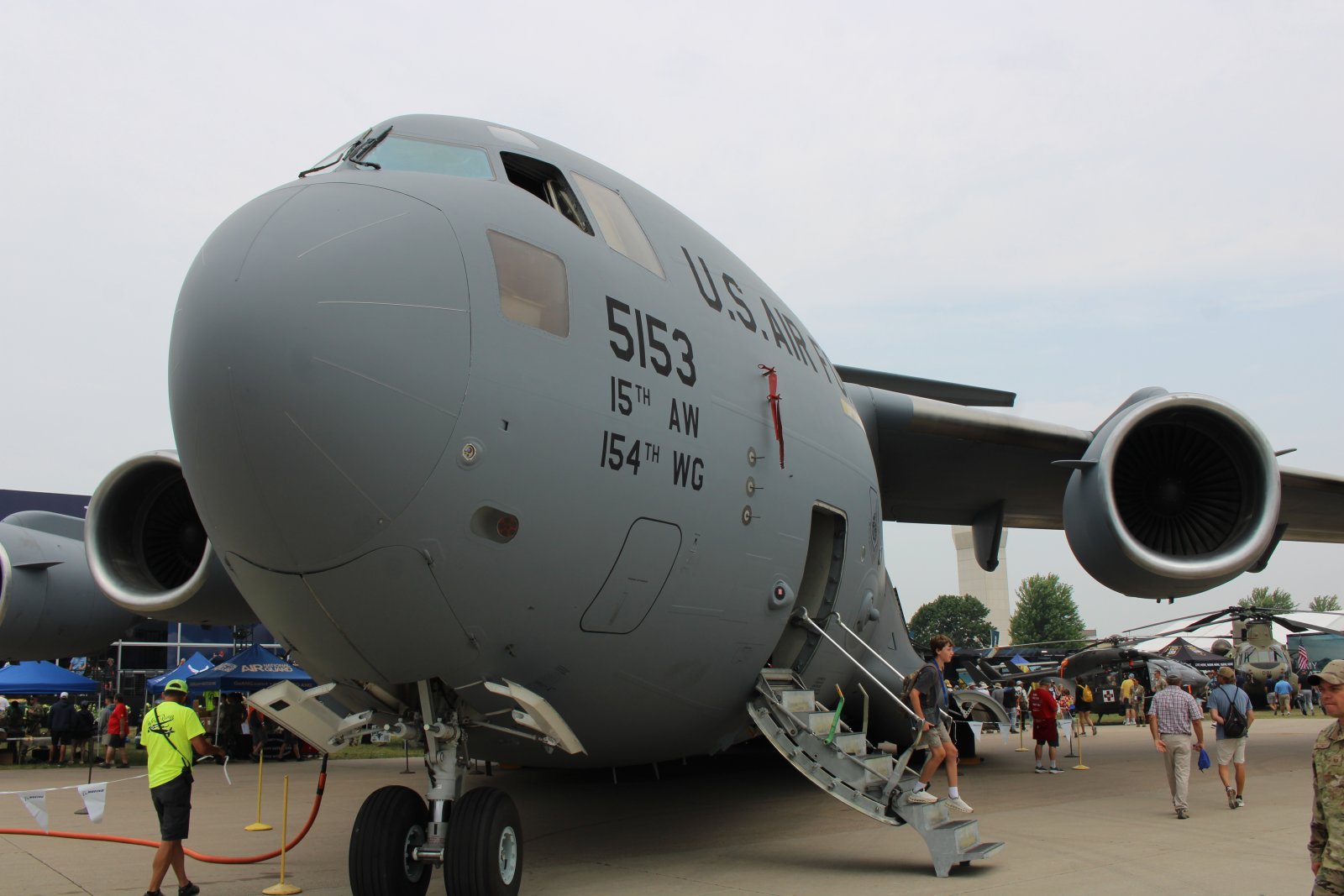
| A smaller, but also big, and newer C-17. |
| |
 |
|
| |
| |
 |
|
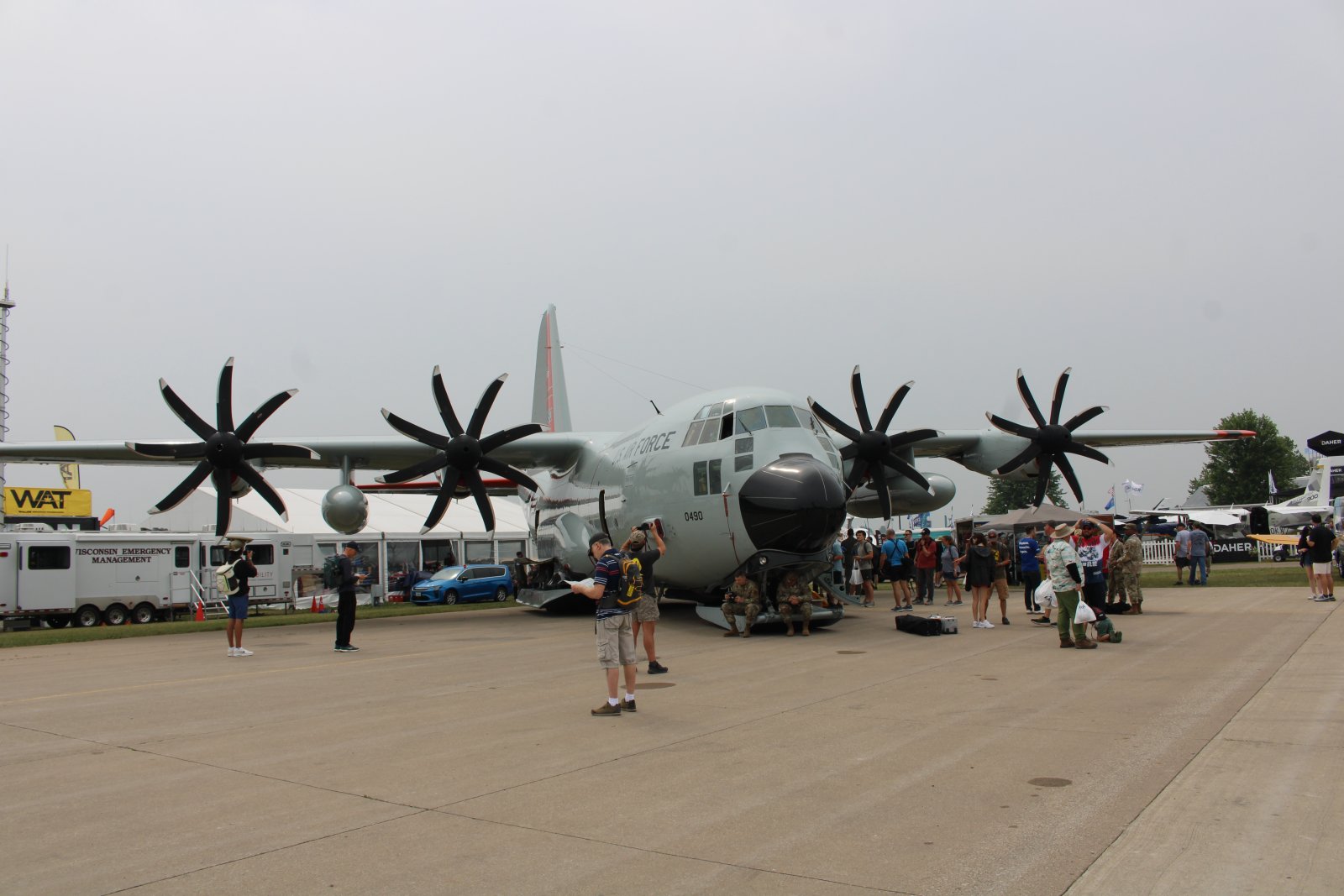
| The venerable C-130 Hercules with wild and crazy eight bladed props. |
| |
 |
|
|
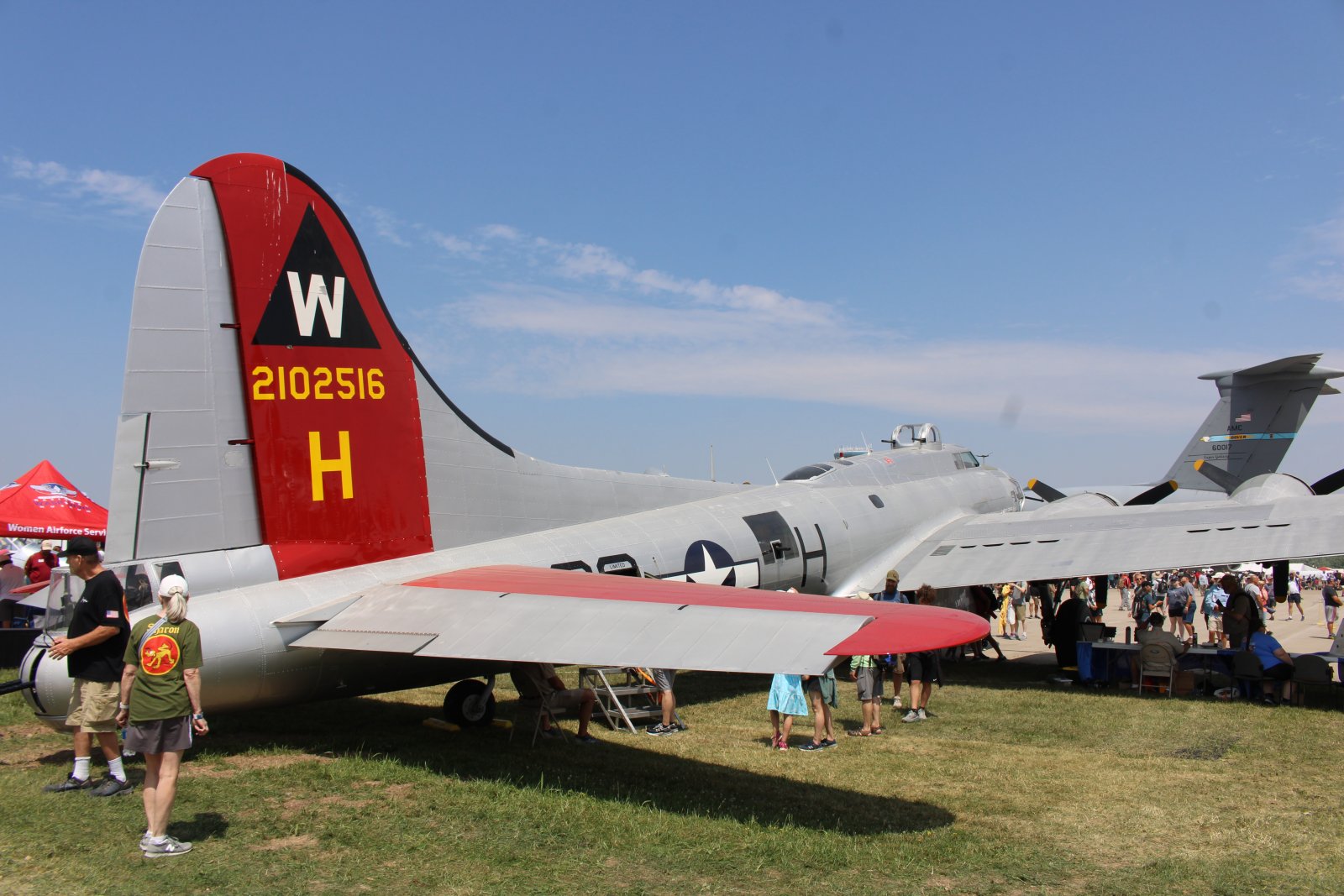
One of the great planes in history: the B-17 Flying Fortress.
|
| |
 |
|
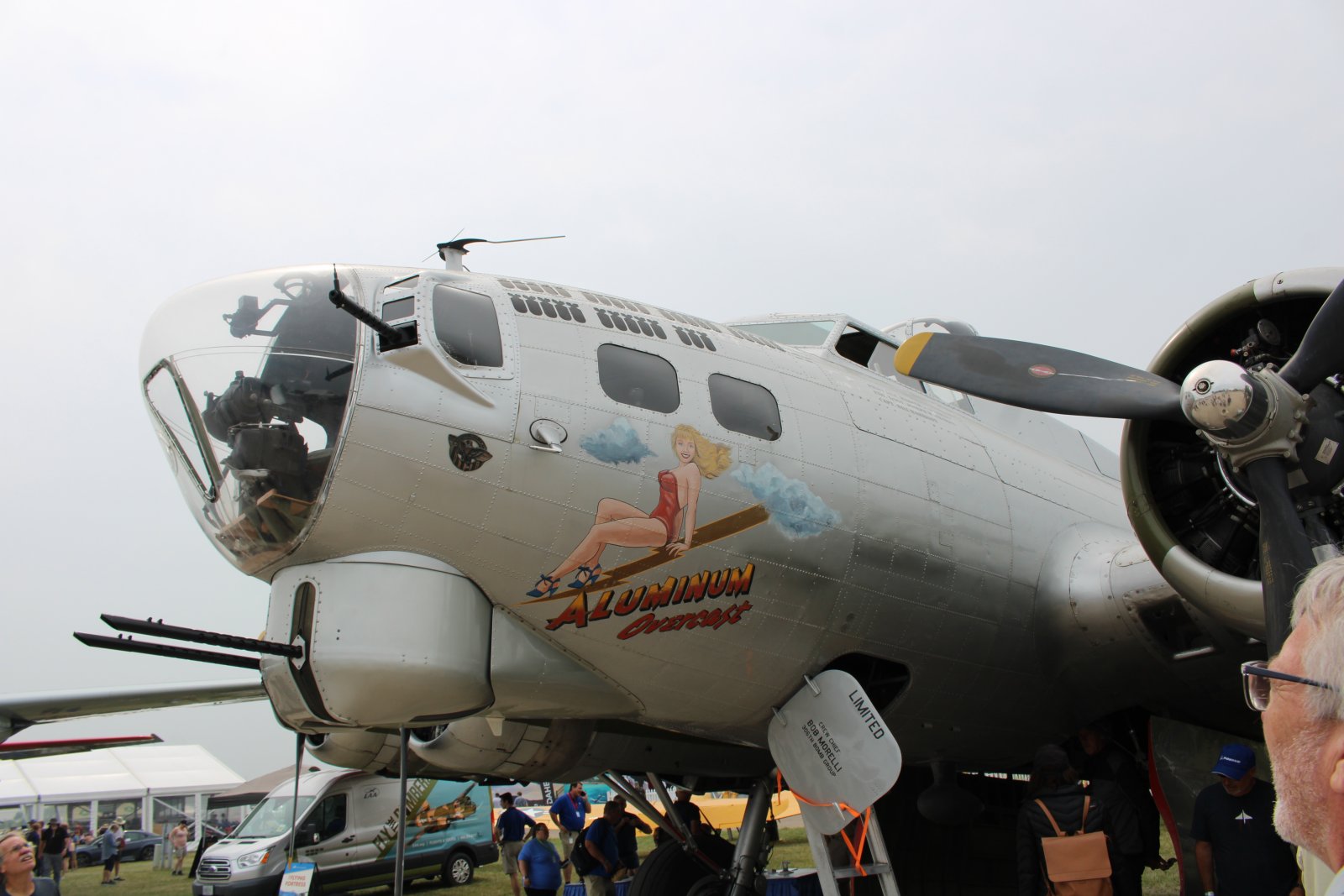
| Nice noseart! |
| |
 |
|
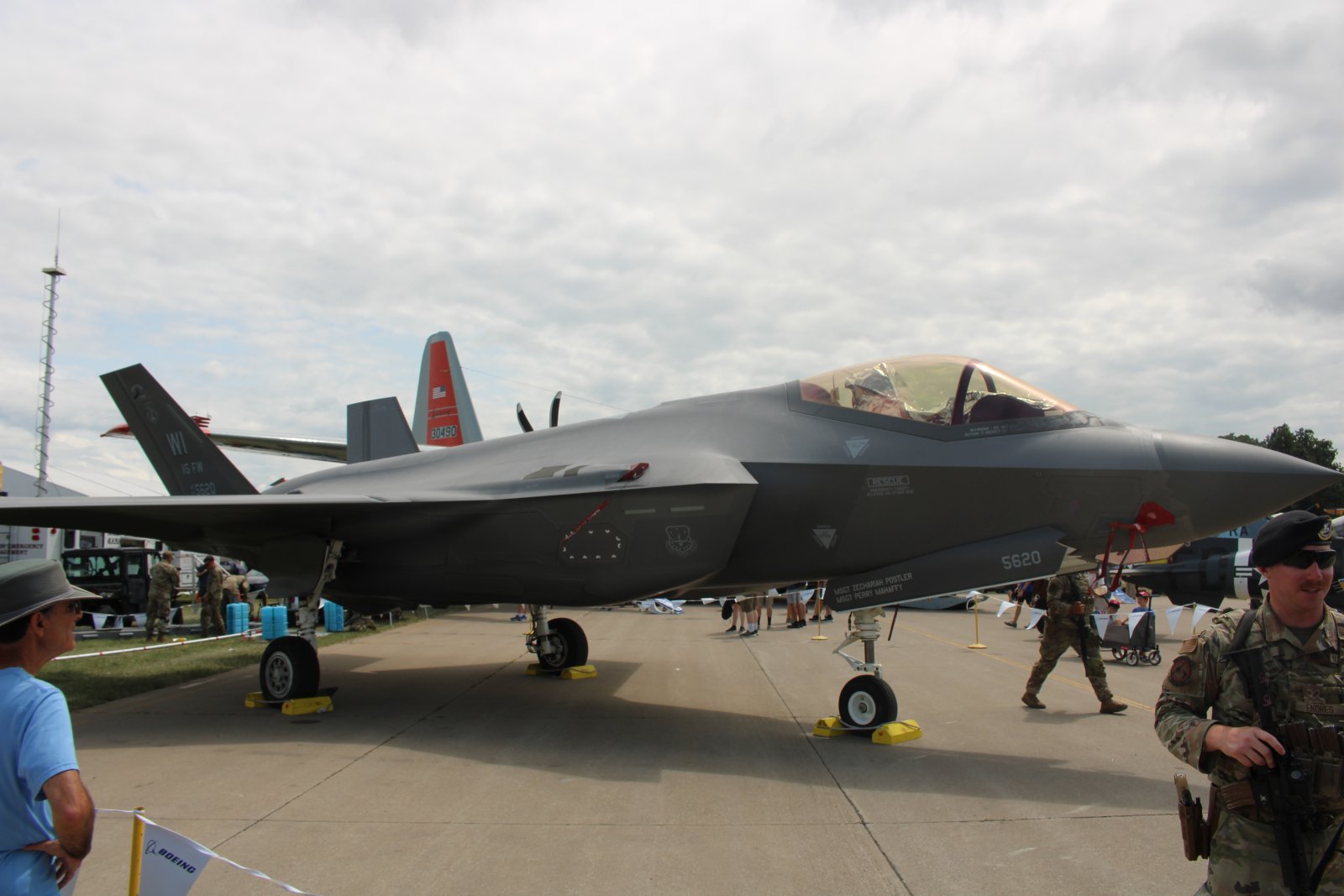
| A Wisconsin Air National Guard F-35A. |
| |
 |
|
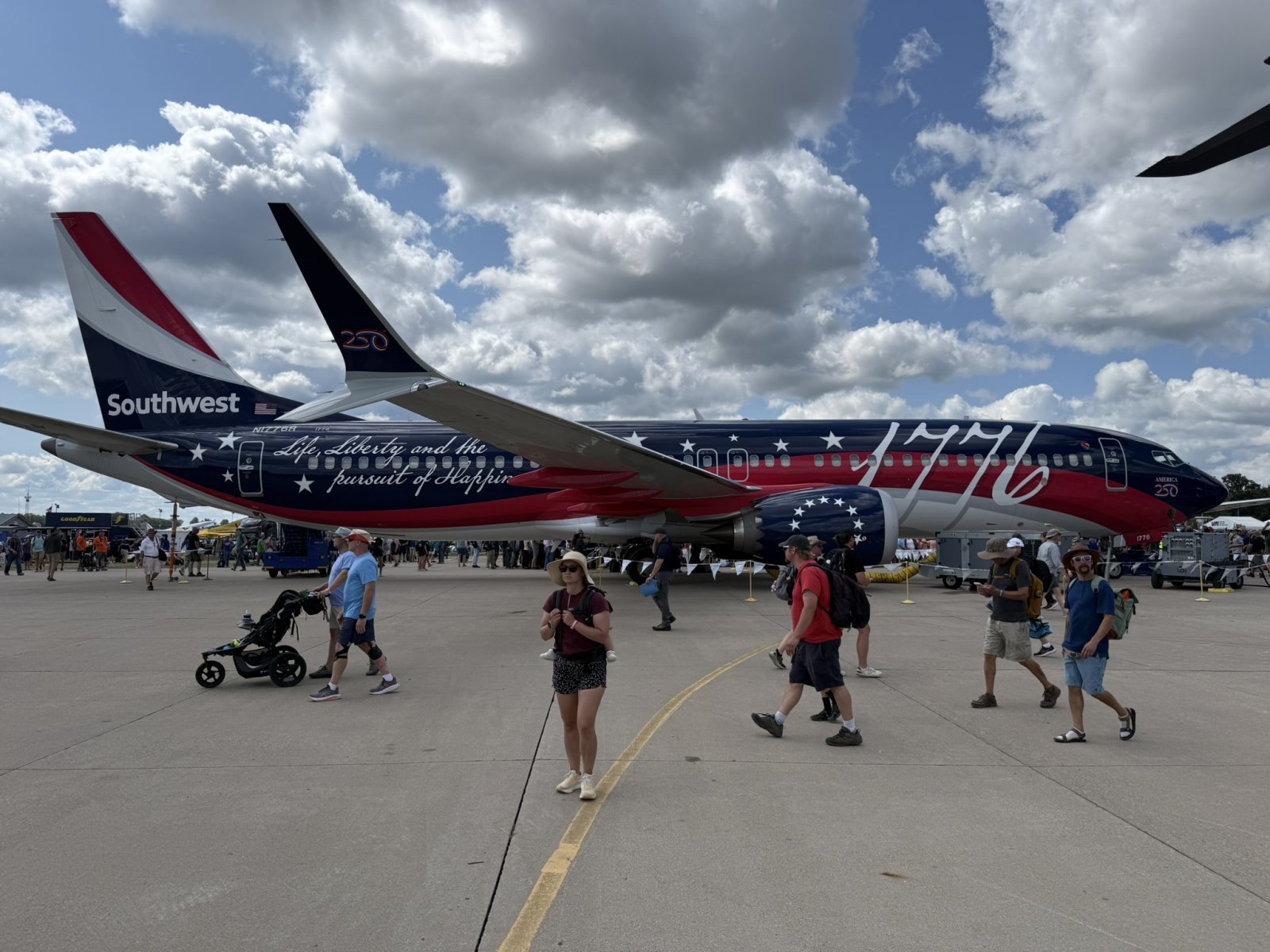
| Southwest Airlines B-737 in patriotic livery. |
| |
 |
|
|
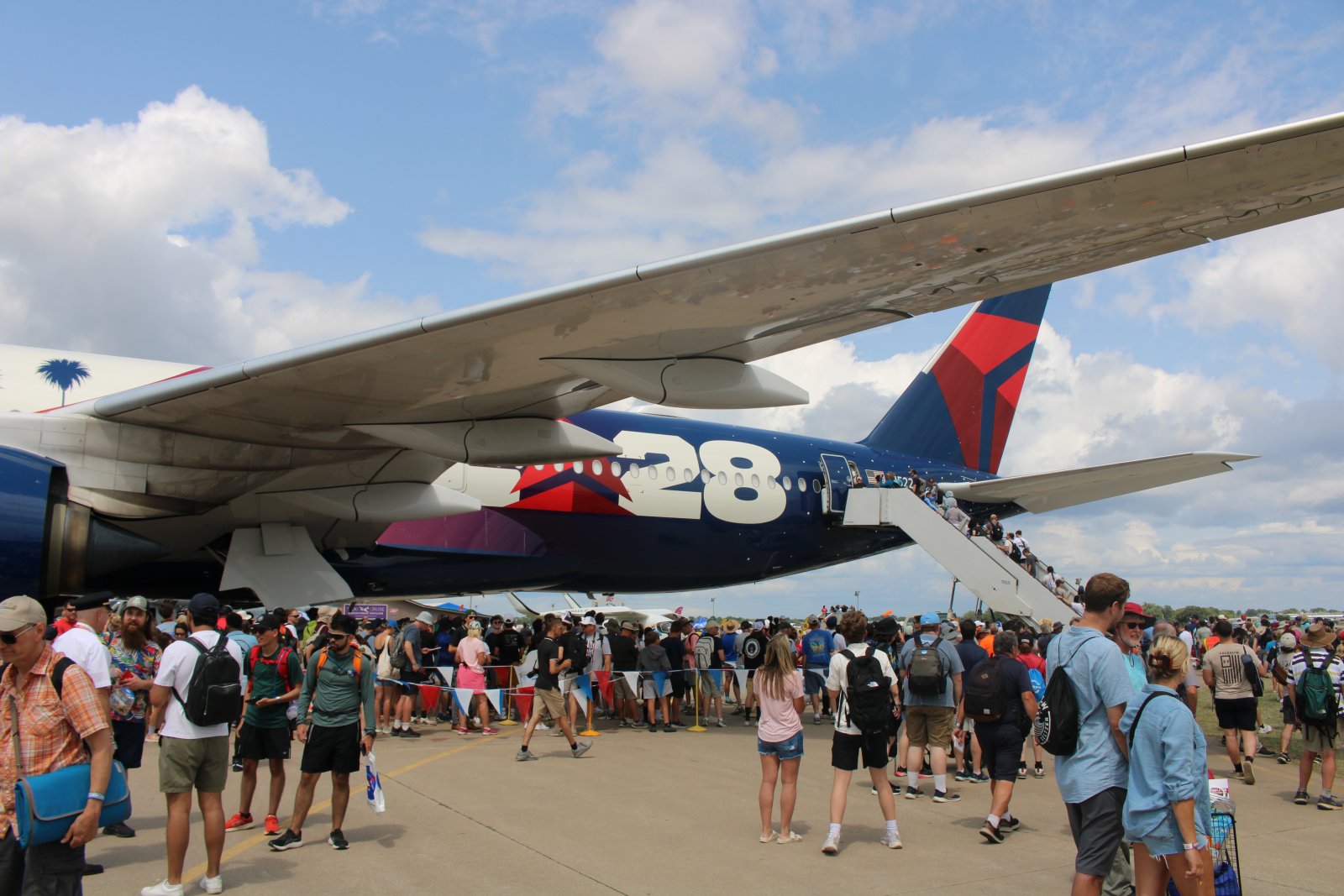
Big Delta Airbus 350.
|
| |
 |
|
|
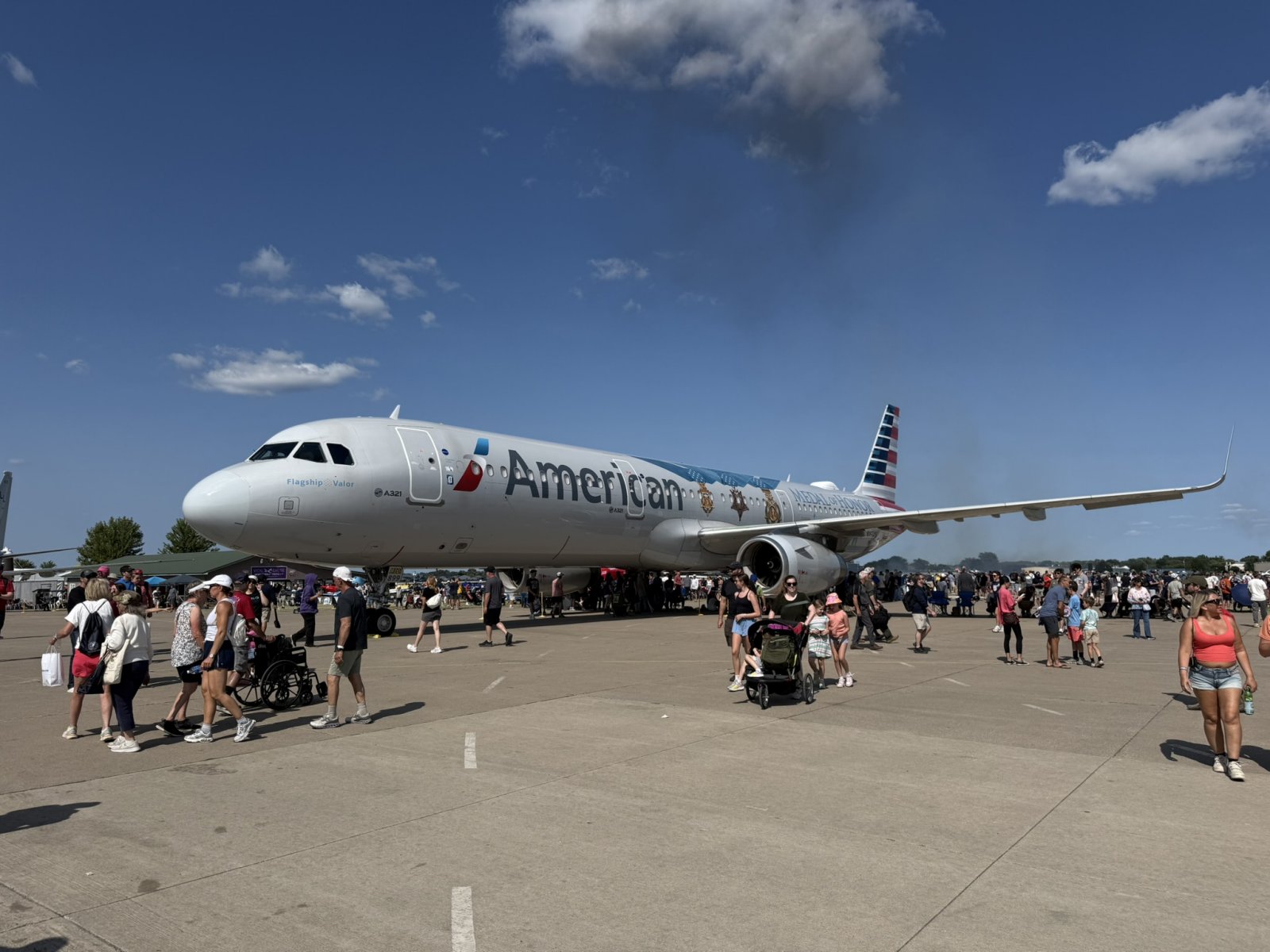
Not to be left out, an American Airlines Airbus 321 (a stretched 320 - short to medium range, narrow-body).
|
| |
 |
|
|
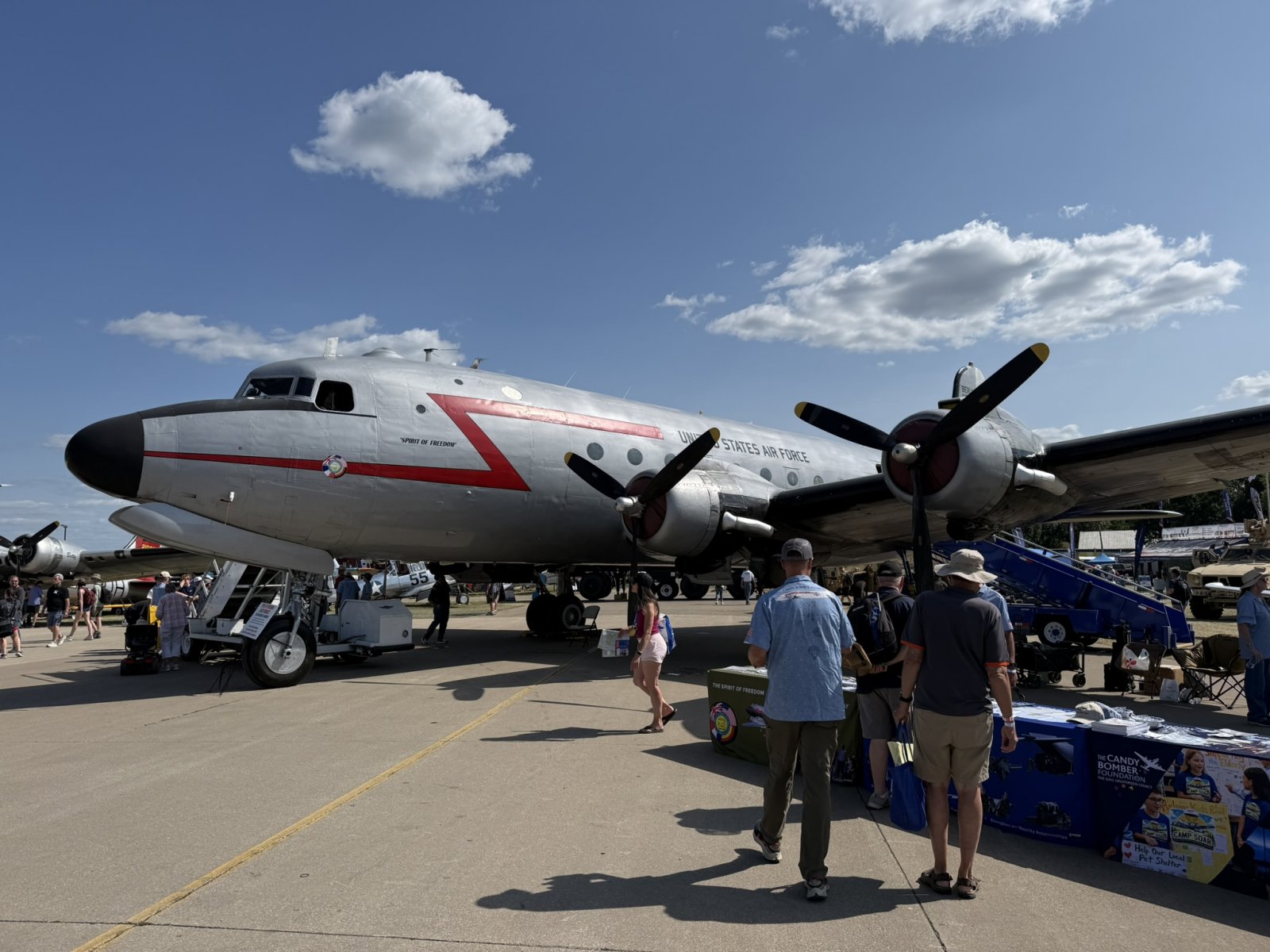
C-54D "Spirit of Freedom". This plane, also known as the "Candy Bomber" commemorates the great Berlin Airlift of 1948-49.
The Douglas C-54 Skymaster is a four-engined transport aircraft used by the United States Army Air Forces in World War II and the Korean War. The C-54 Skymaster was derived from a civilian airliner, the Douglas DC-4. Besides transport of cargo, the C-54 also carried presidents, prime ministers, and military staff. Dozens of variants of the C-54 were employed in a wide variety of non-combat roles such as air-sea rescue, scientific and military research, and missile tracking and recovery. During the Berlin Airlift it hauled coal and food supplies to West Berlin. After the Korean War it continued to be used for military and civilian uses by more than 30 countries. It was one of the first aircraft to carry the president of the United States, the first being Franklin D. Roosevelt during World War II.
|
| |
 |
|
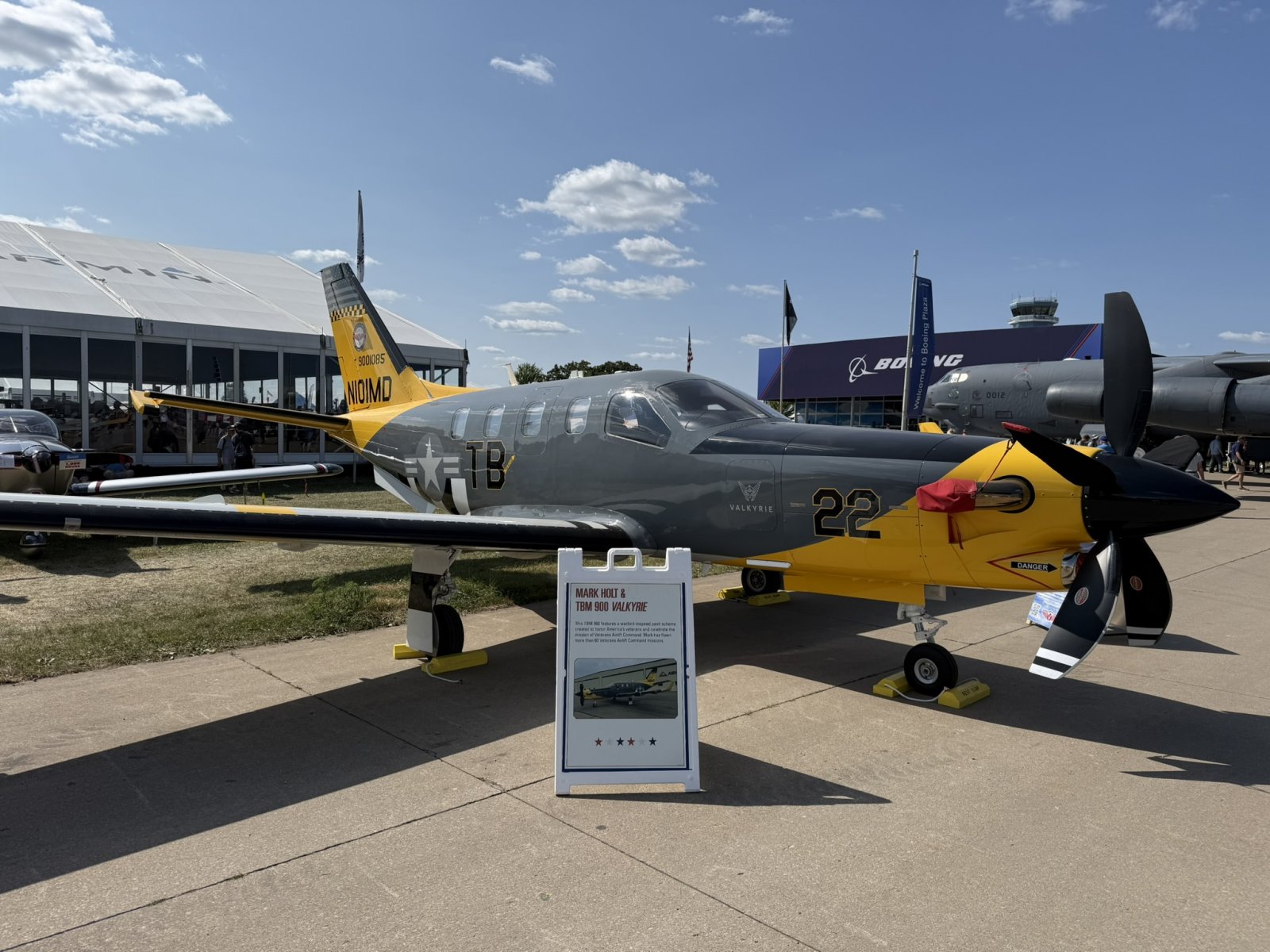
| TBM 900 painted like a warbird. The TBM is a high-performance single-engine turboprop business and utility light aircraft |
| |
 |
|
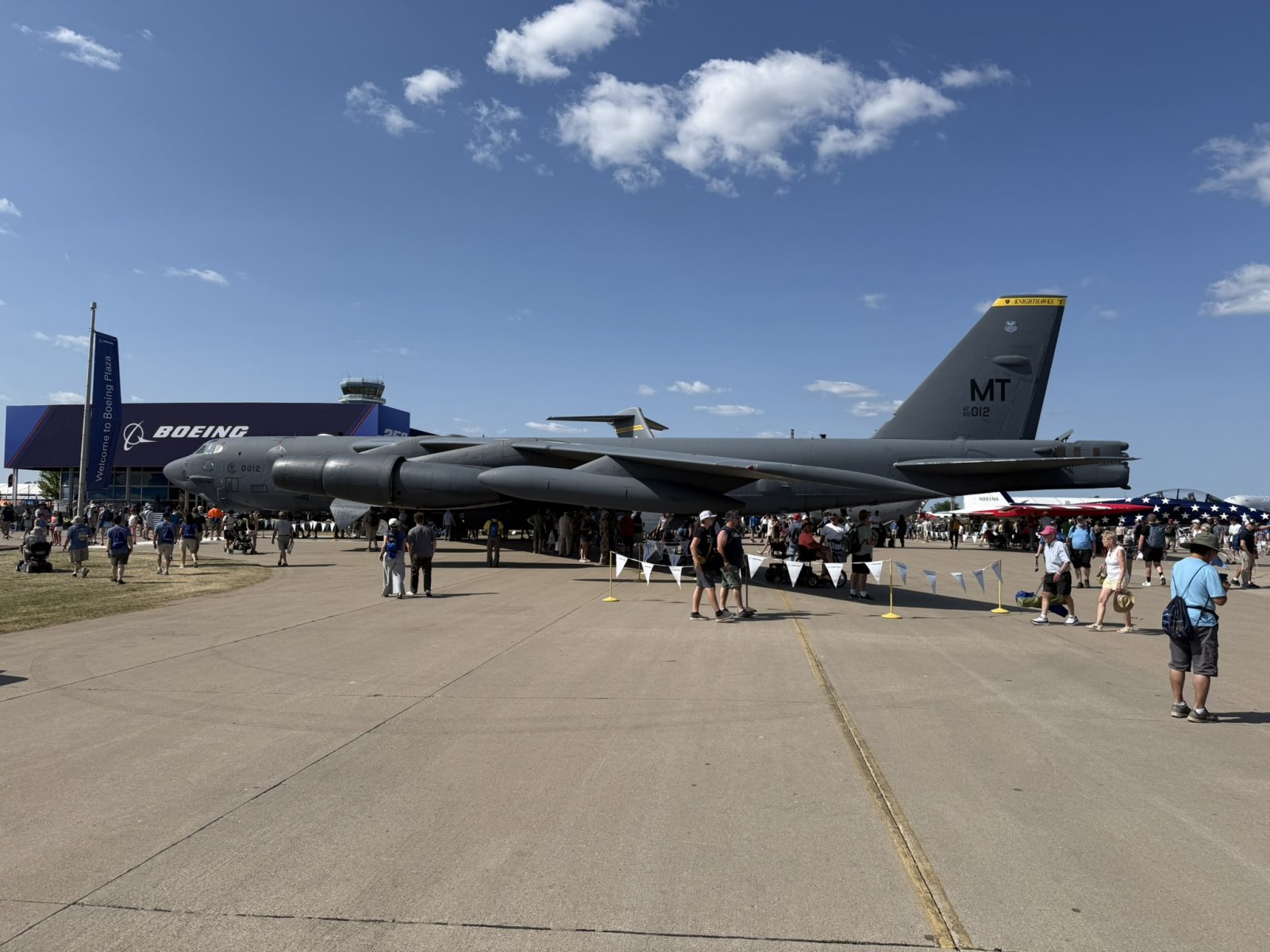
| 74 years later, the B-52 BUFF is still performing yeoman's work. 744 were built; 76 are still operational. |
| |
 |
|
|
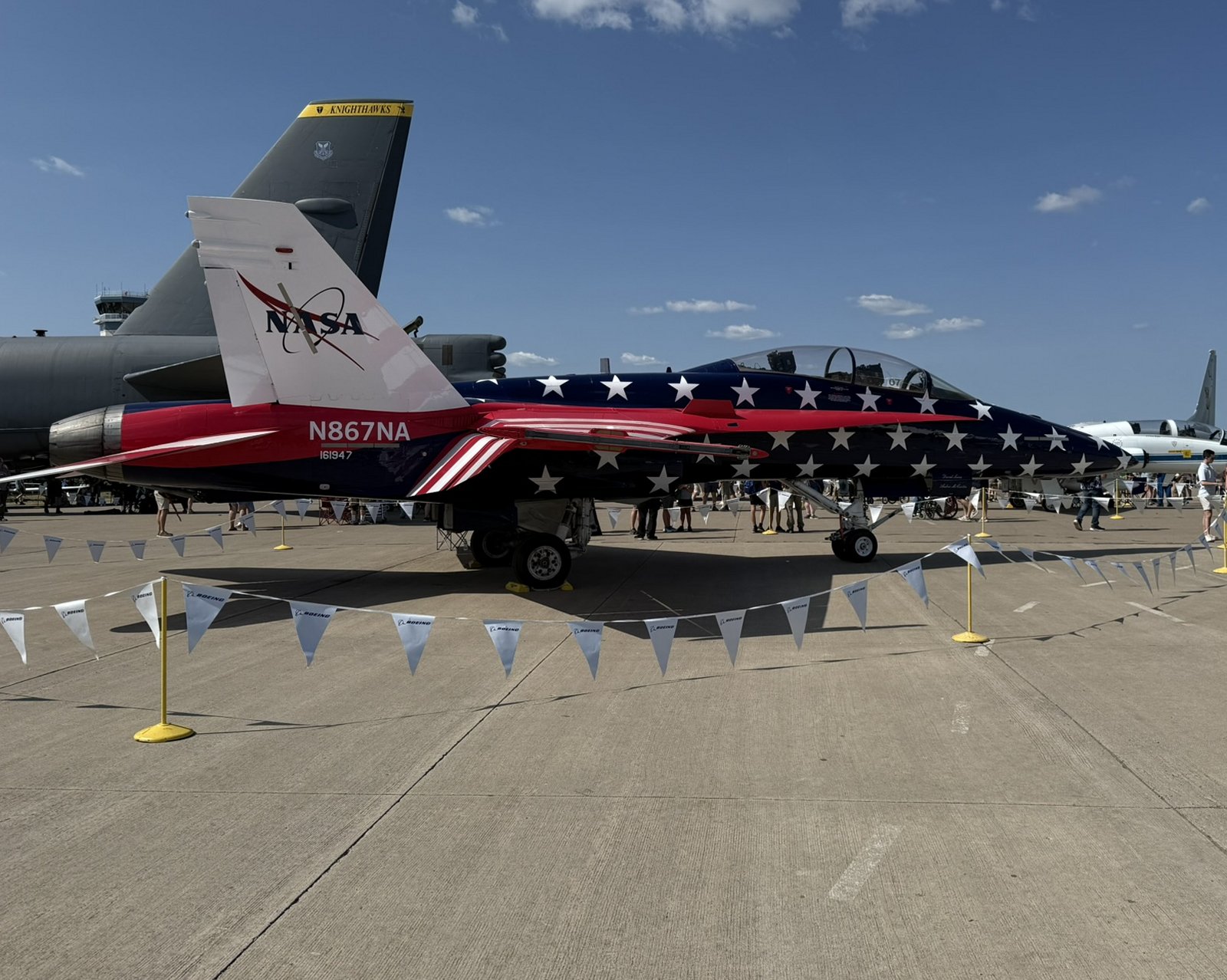
I didn't see any Navy fighters at AirVenture this year -- perhaps because of the F-18G midair a couple of months ago -- but this NASA F-18F was on static display.
|
| |
 |
|
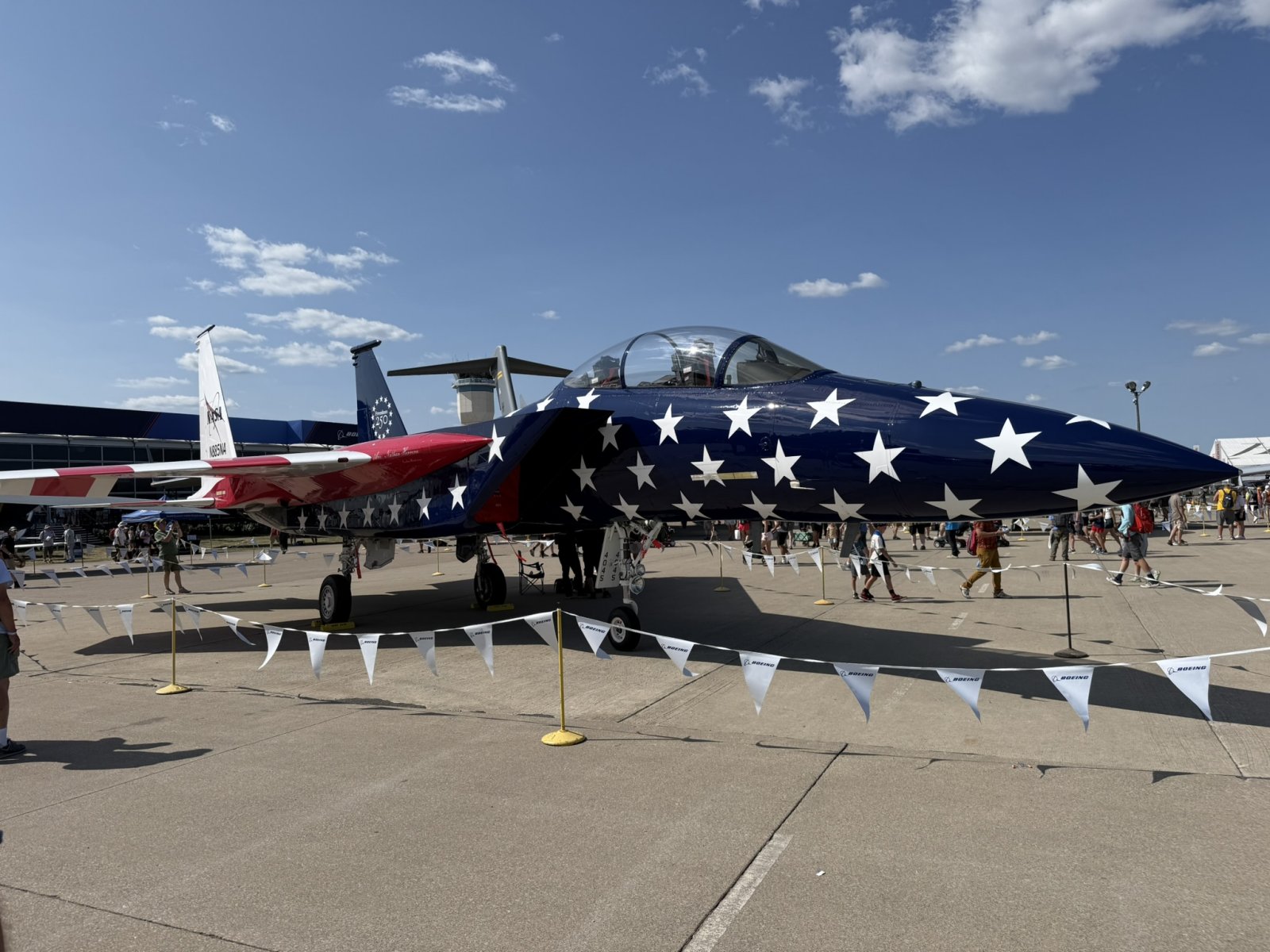
| Also on hand, a NASA F-15 E. |
| |
 |
|
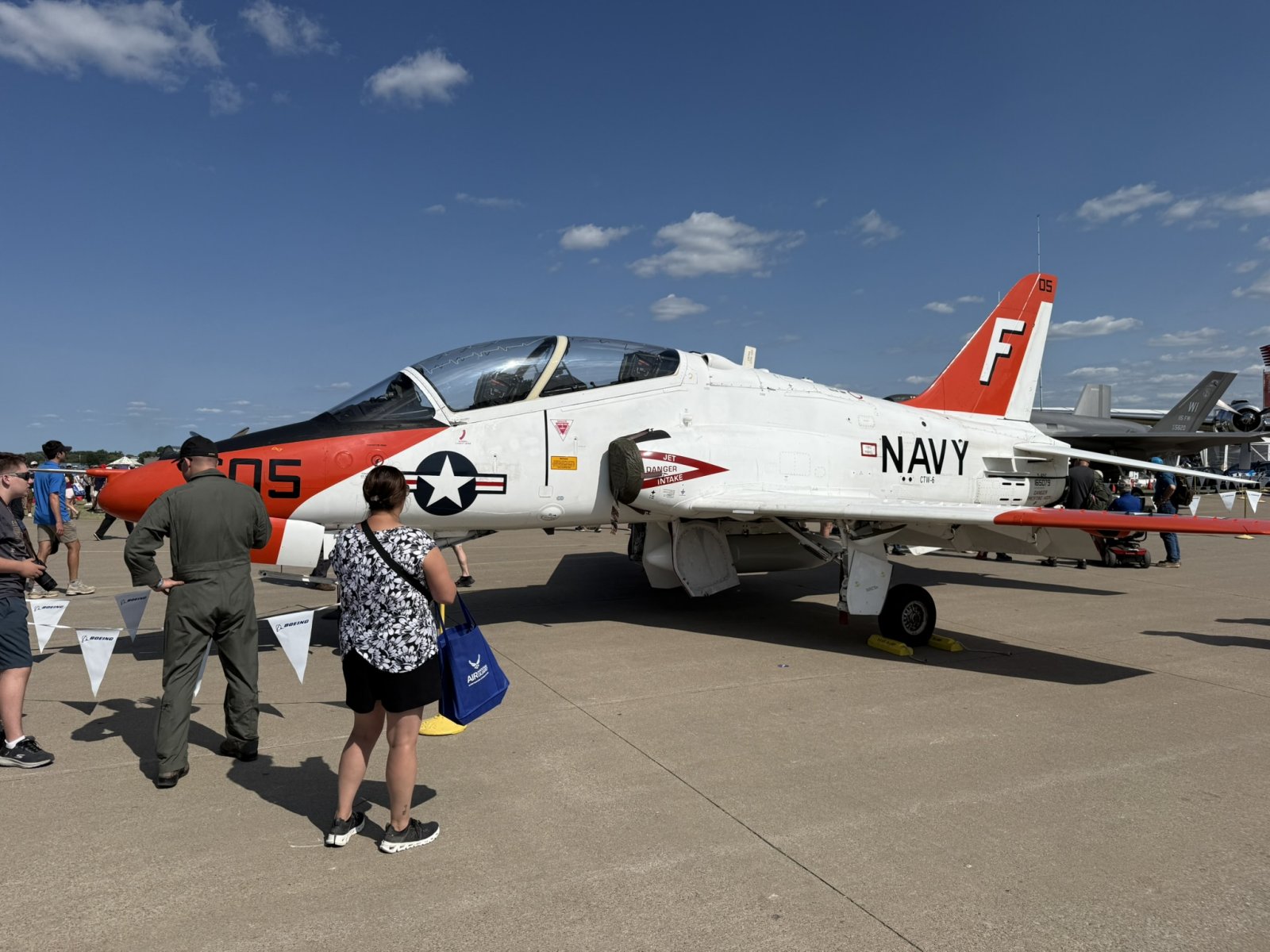
A Navy T-45 Goshawk trainer jet which can land on an aircraft carrier. It was specially modified from the British Hawk -- which the British Red Arrows aerobatic team flies -- to withstand carrier-style landings. Introduced in 1991 to replace both the T-2 Buckeye and TA-4 Skyhawk trainers, 221 have been built. The U.S. Navy is well into the process of replacing the aging T-45C Goshawk through its Undergraduate Jet Training System (UJTS) program. |
| |
 |
|
|
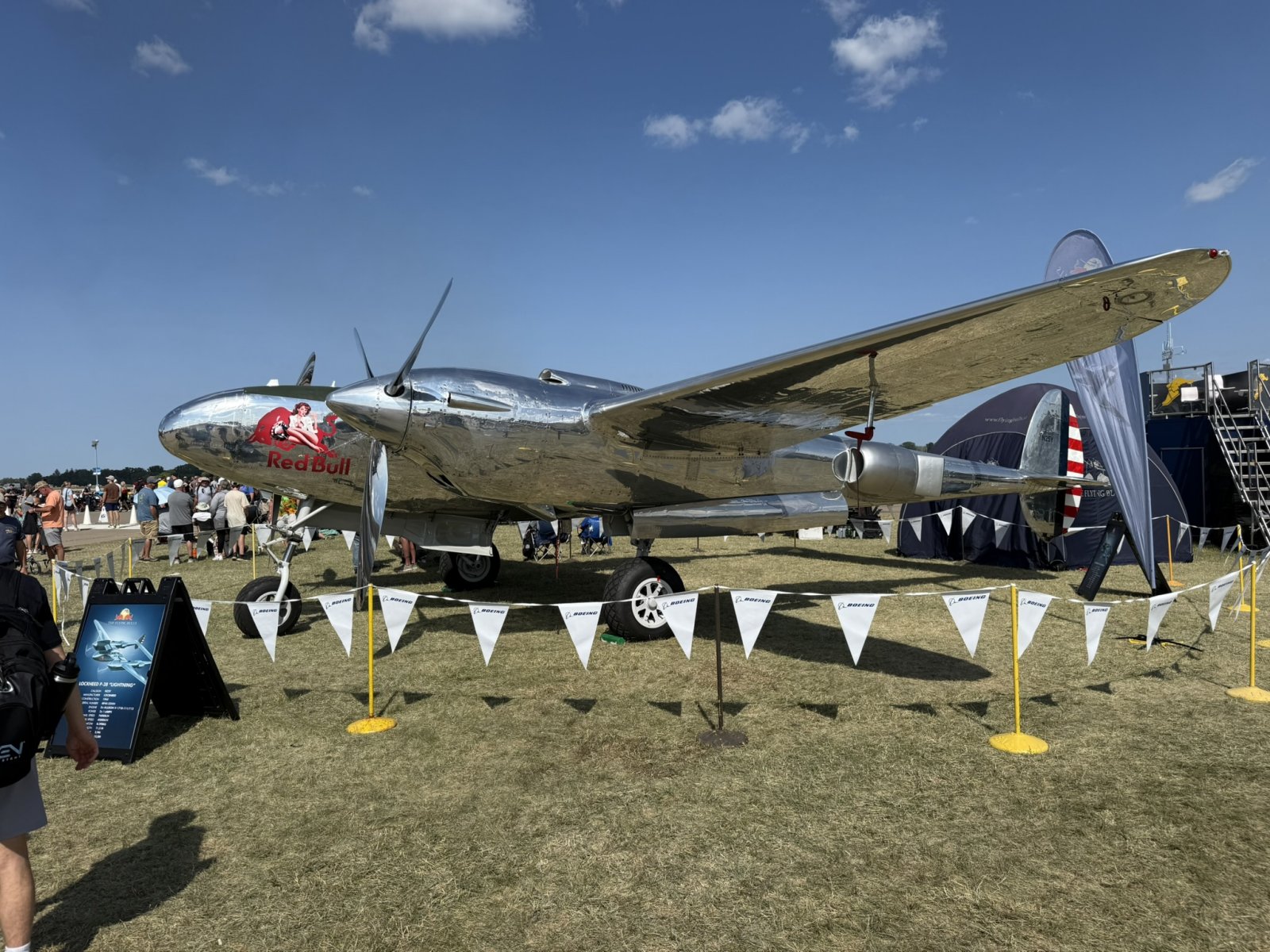
Red Bull's polished and immaculate P-38 Lightning. I saw this plane over in Austria at the Red Bull Hangar 7, outside of Saltzburg.
I'm thinking they shipped the P-38; I can't imagine they would risk flying such a valuable and rare aircraft over the North Atlantic.
|
| |
 |
|
|
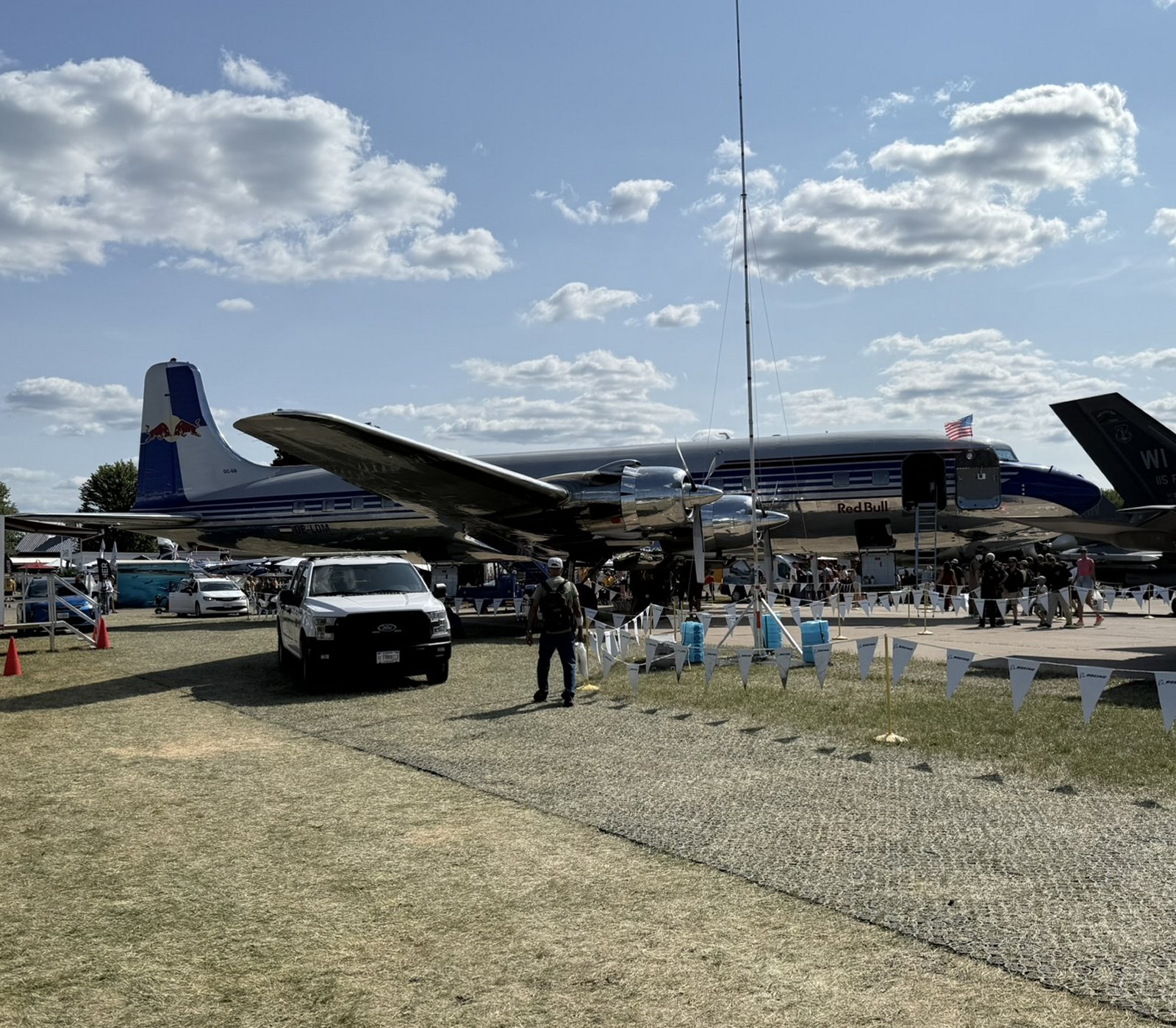
Another Flying Bulls member is this Douglas DC-6, a piston-powered airliner and cargo aircraft built by the Douglas Aircraft Company from 1946 to 1958. Originally intended as a military transport near the end of World War II, Douglas reworked it after the war to compete with the Lockheed Constellation in the long-range commercial transport market. It was powered by four Pratt & Whitney R-2800 Double Wasp radials. Of course, the R-2800 was a superb engine—18 cylinders, 2,000+ horsepower, and thoroughly proven during WWII, powering the F6F Hellcat, F4U Corsair, P-47 Thunderbolt, B-26 Marauder among many other airplanes. That's an important part of why the DC-6 developed such a reputation for ruggedness and reliability. Douglas built over 700, and many still fly in cargo, military, and wildfire control roles.
The DC-6 was actually one of the great piston airliners of the postwar era. If the DC-3 made airline travel practical, the DC-6 made it long-range, pressurized, fast and genuinely international. It was also one of the last great four-engine piston airliners before jets such as the Boeing 707 made it obsolete.
This aircraft was once the private luxury transport of Yugoslav President Tito.
|
| |
 |
|
| |
| |
|
|
|
|
|
|