August 12, 2025 - Bermuda Cruise
Bermuda National Museum
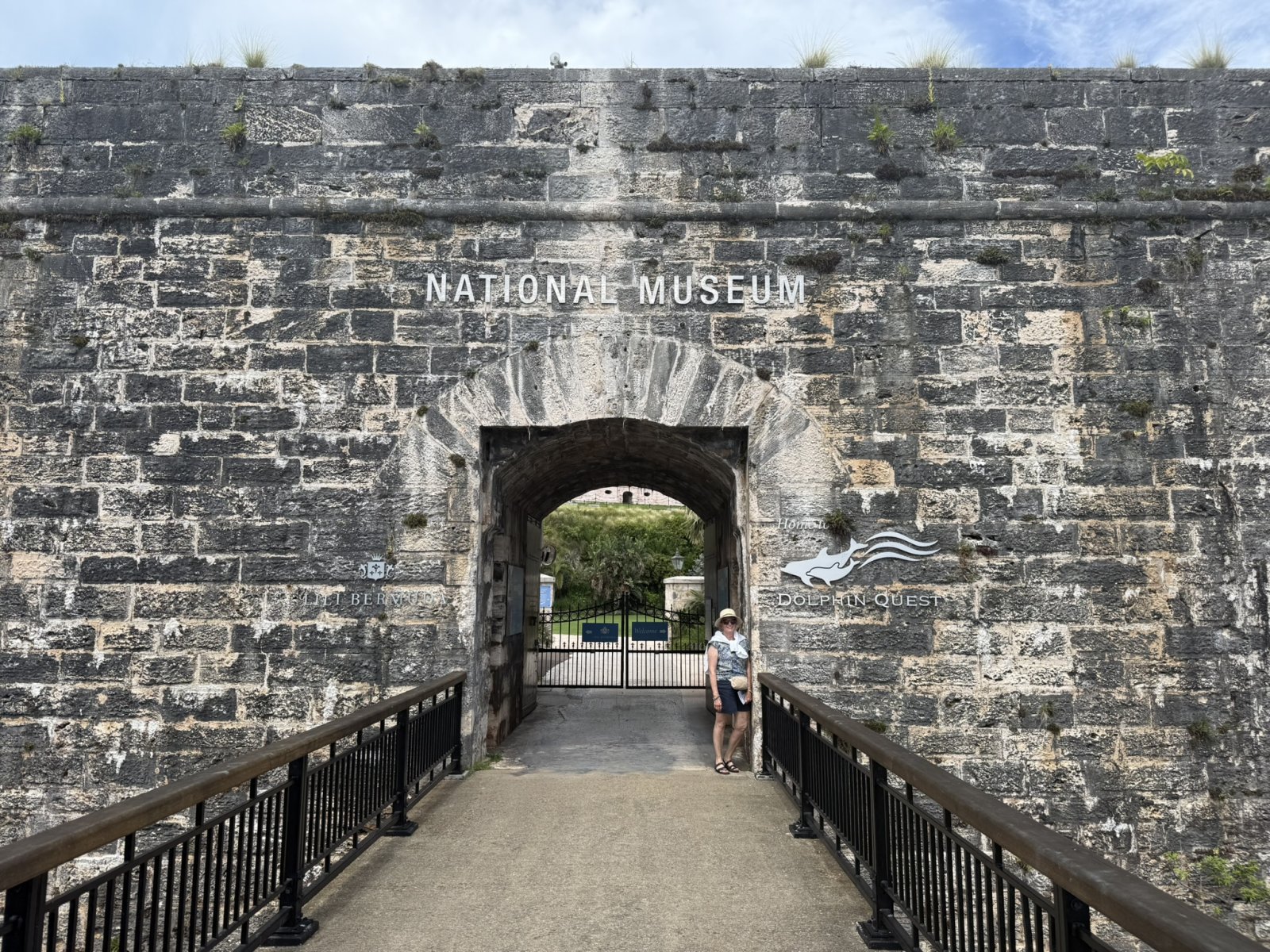
The next morning we hit the Bermuda National Museum which is a short walk from the dockyard wharf. We had to be back to the ship by 11 AM.
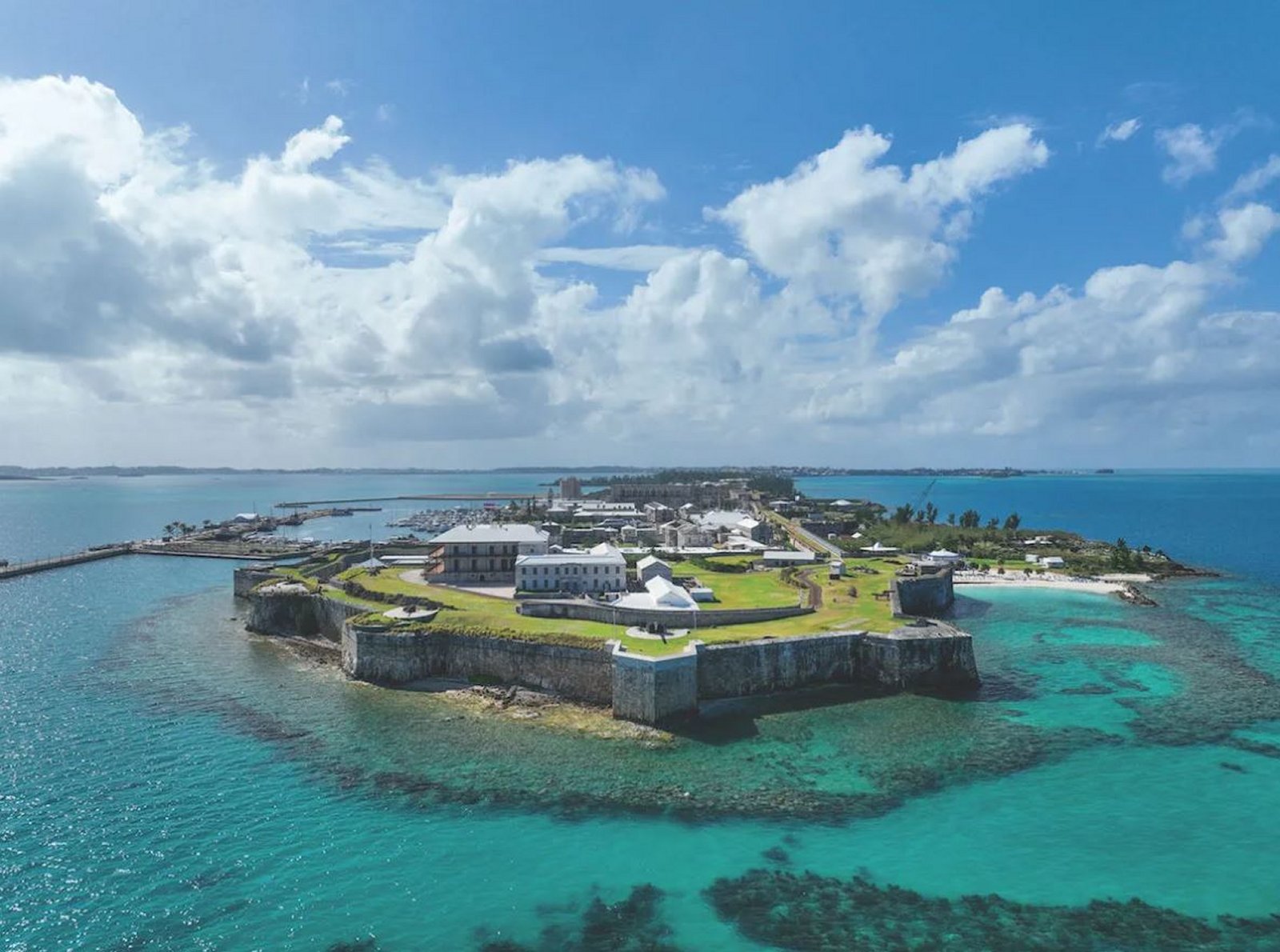
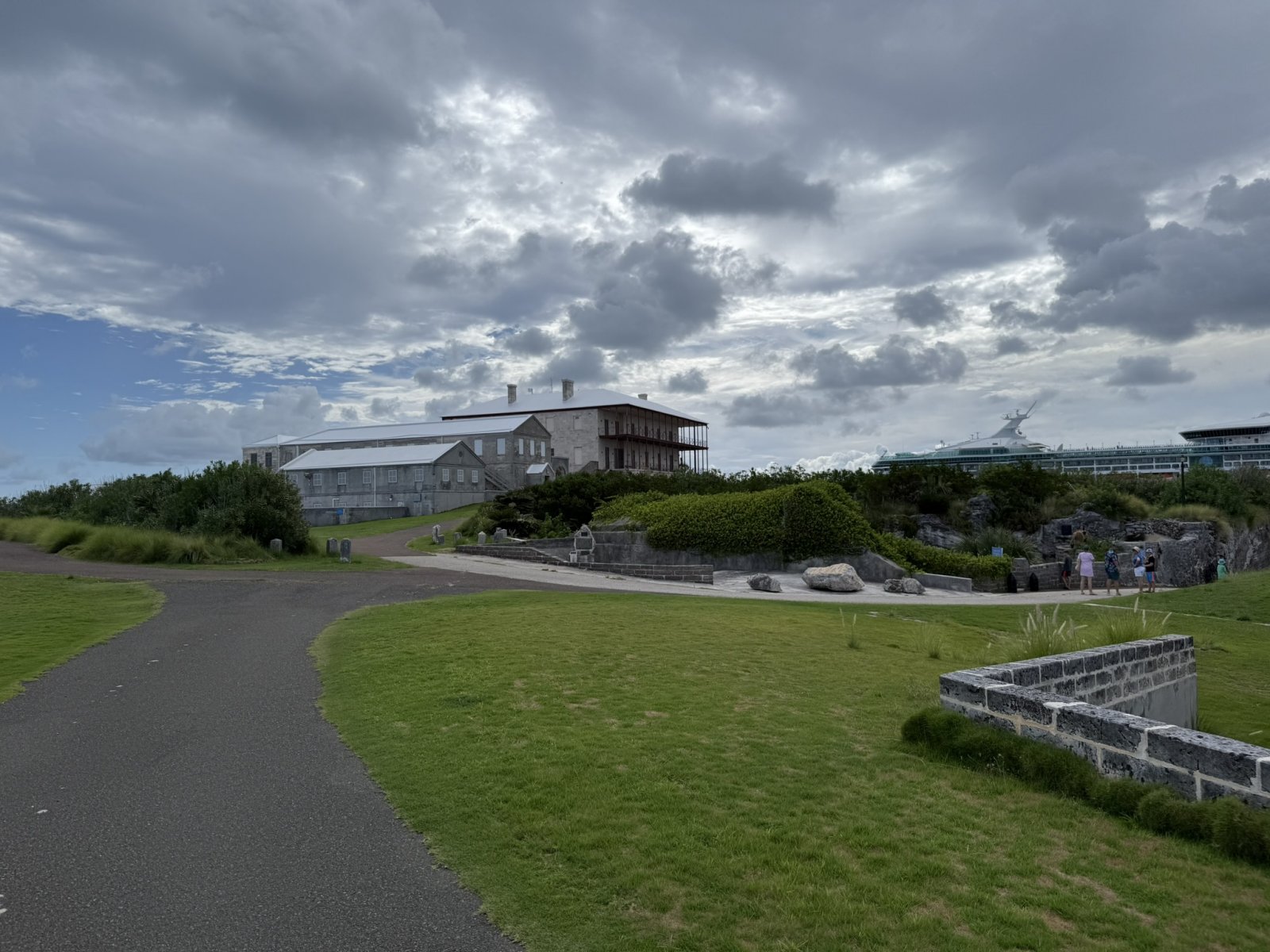
The museum is located within the grounds of the fortress Keep of the former Royal Naval Dockyard.
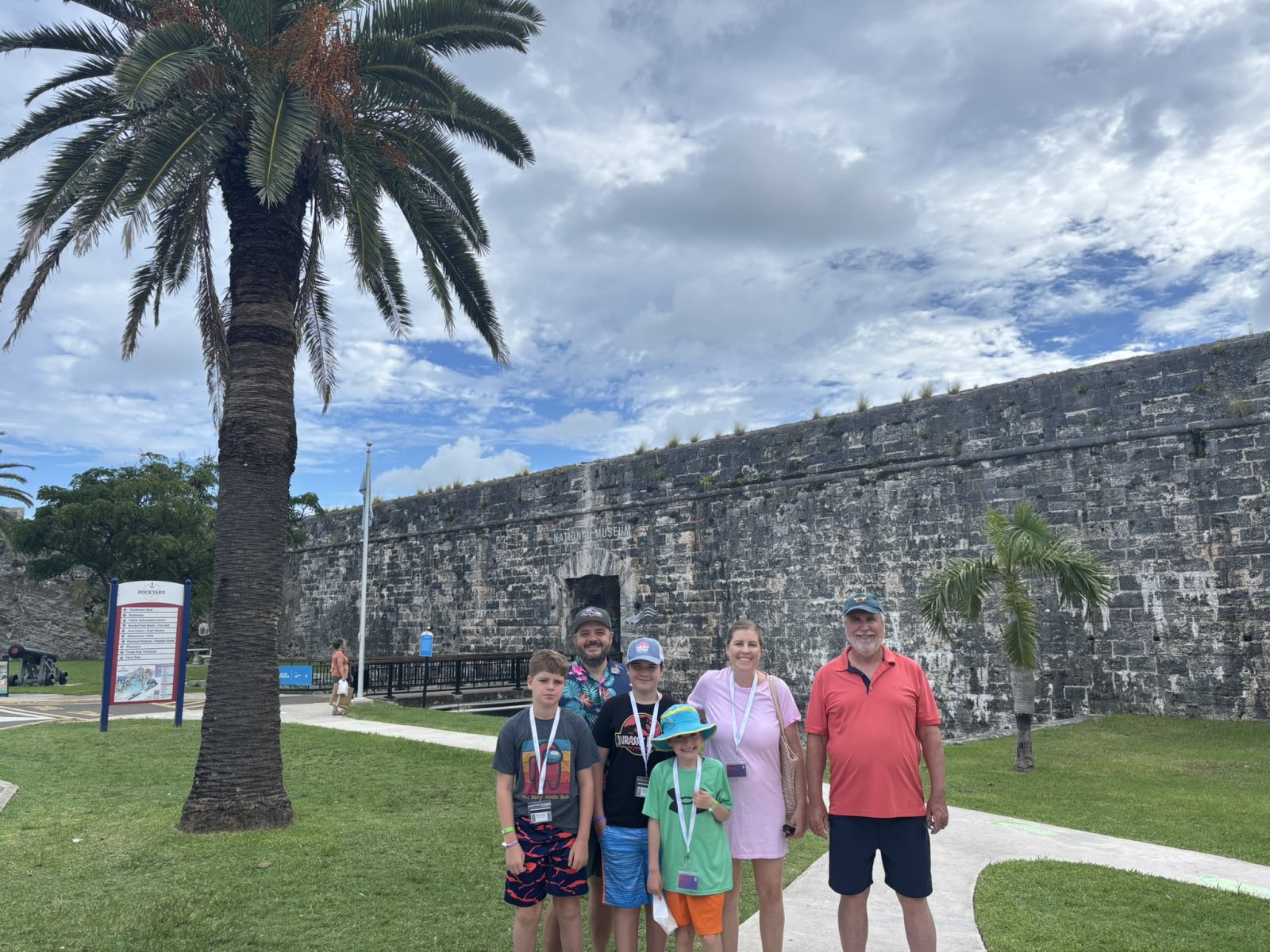
Here we go!
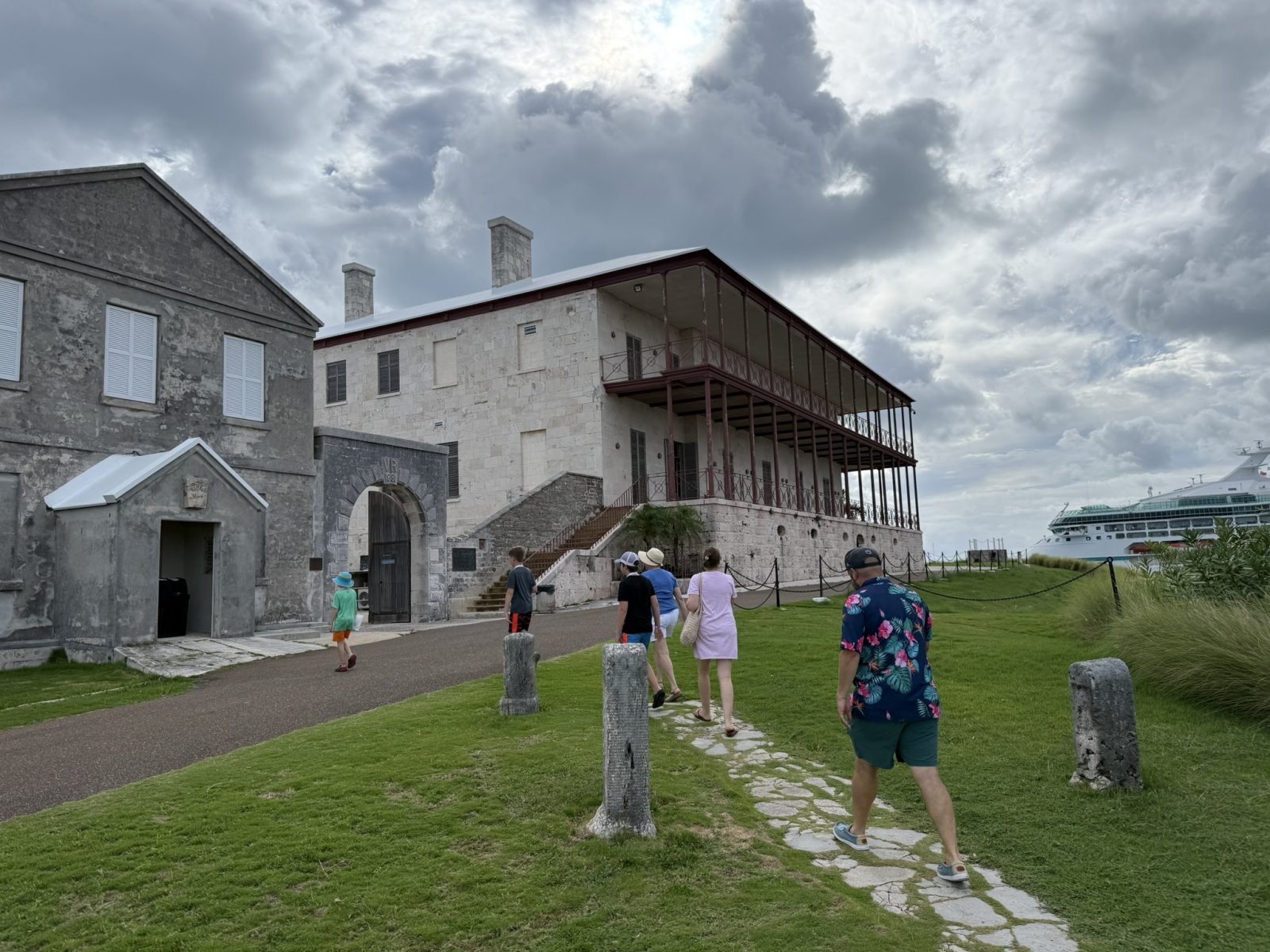
After the English colonies in North America had established their independence, Bermuda was developed as a major British naval base to control the sea lanes to North America. The Dockyard construction started in 1809 and continued for a century.
Buildings of the Keep were constructed using the local limestone. Work was done initially by slaves, later by convicts, prisoners, and laborers imported from the West Indies.
The dockyard closed in the late fifties, and buildings started to fall into disrepair. In 1974 the Bermuda Maritime Museum took over the site of the Keep and restoration began. The museum changed its name in 2009 to reflect its broader national focus
Aerial photo of the Royal Dockyard and Keep area.
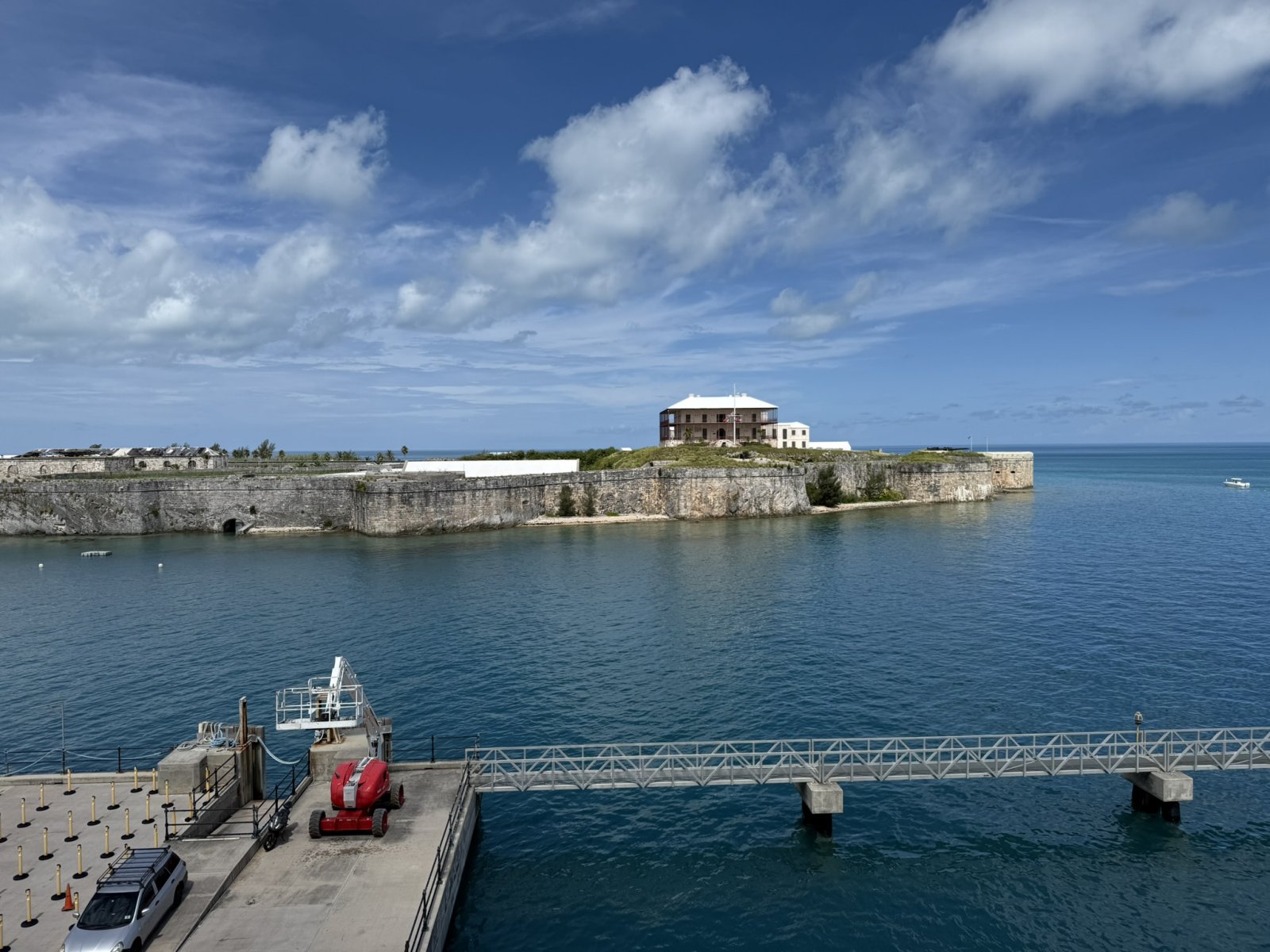
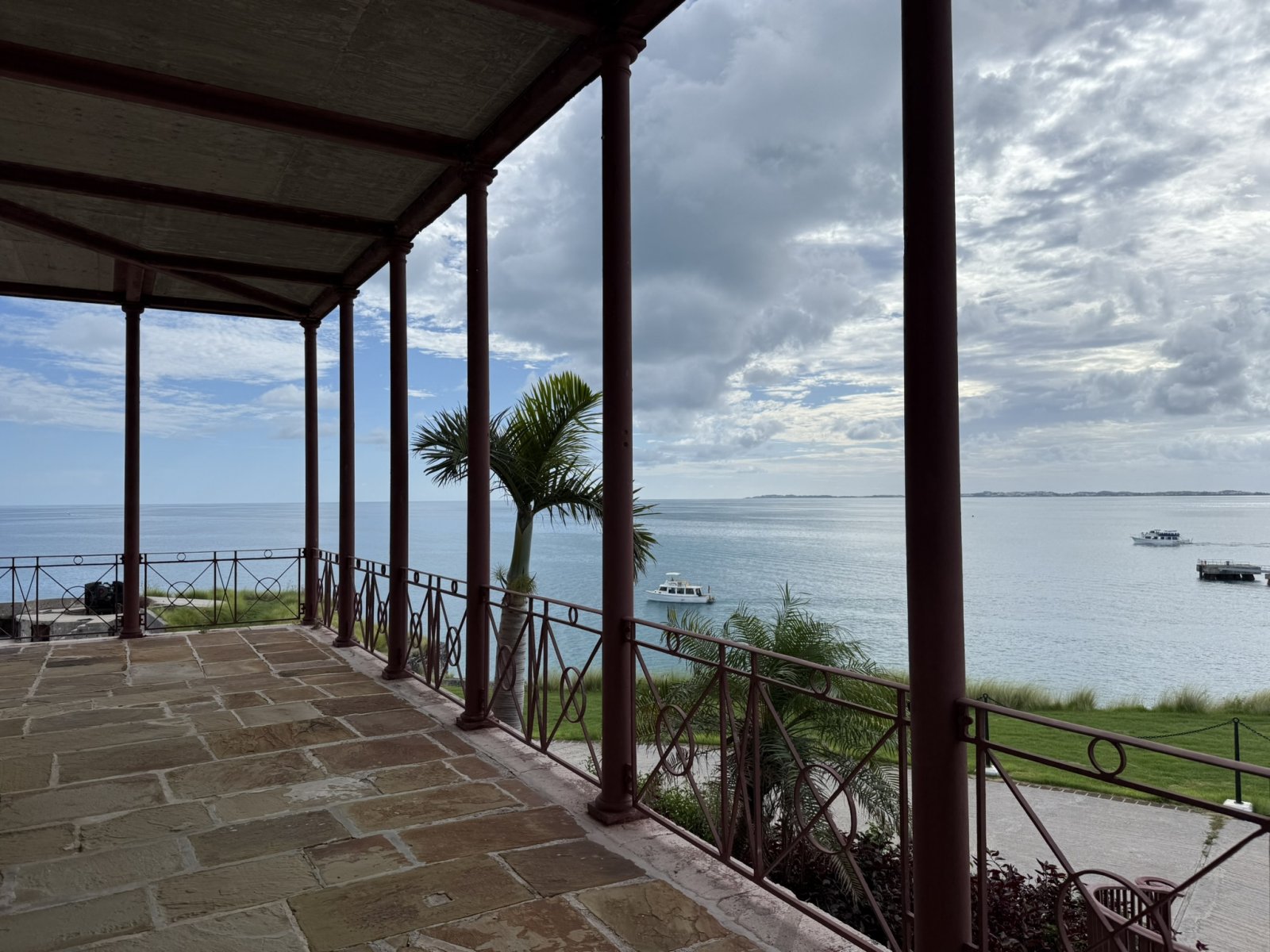
The Commissioner's House veranda overlooks the Atlantic Ocean.
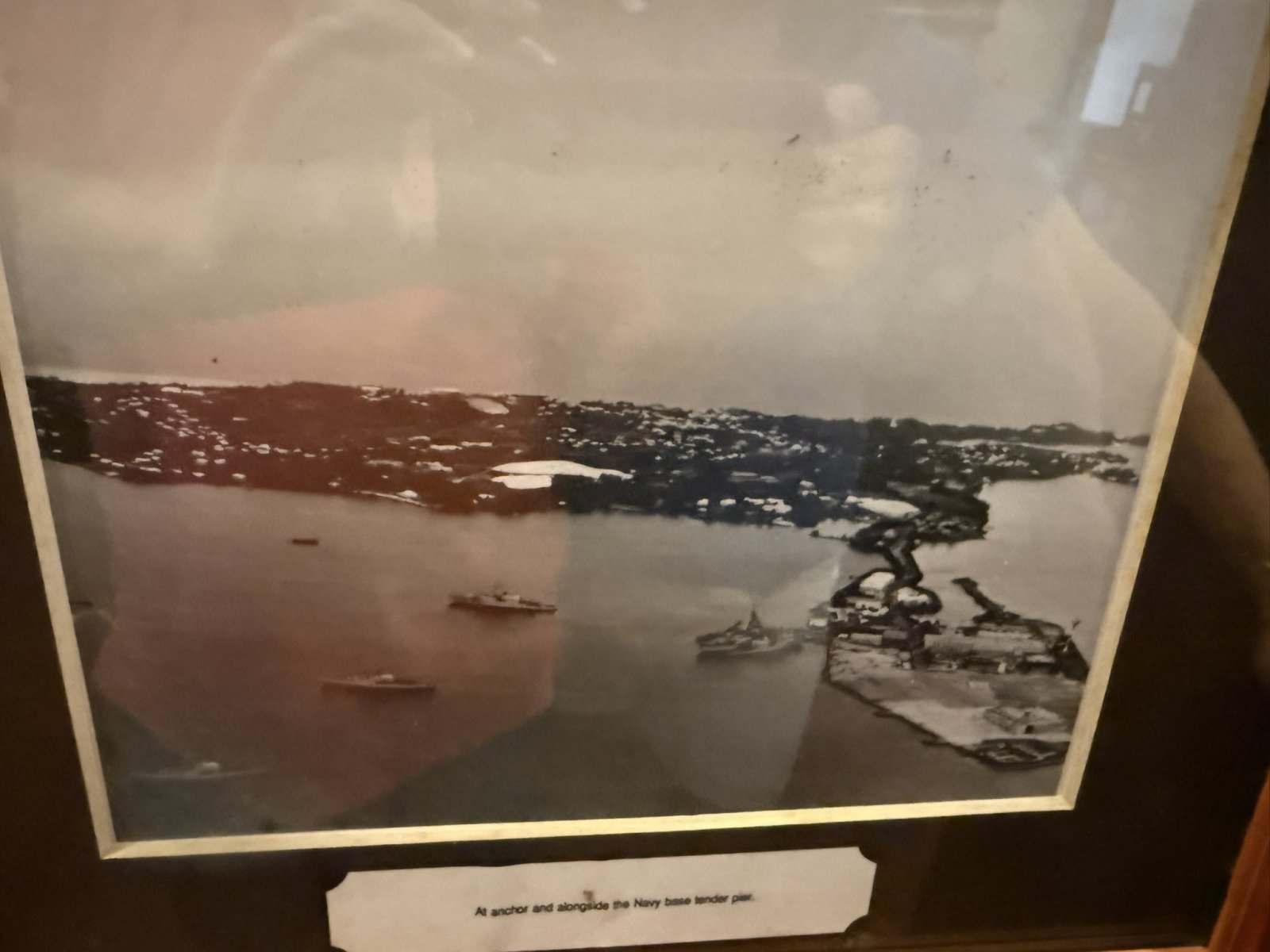
This aerial picture of the Great Sound was of interest to me because when my Dad was stationed in Bermuda for four years with Patrol Squadron 49 flying P-5M Marlins, he was at the Navy Annex which is that artifical island at lower right. The Navy Annex has long since been closed but the island is still there not being used for anything. I wanted to go see it but we did not have the time.
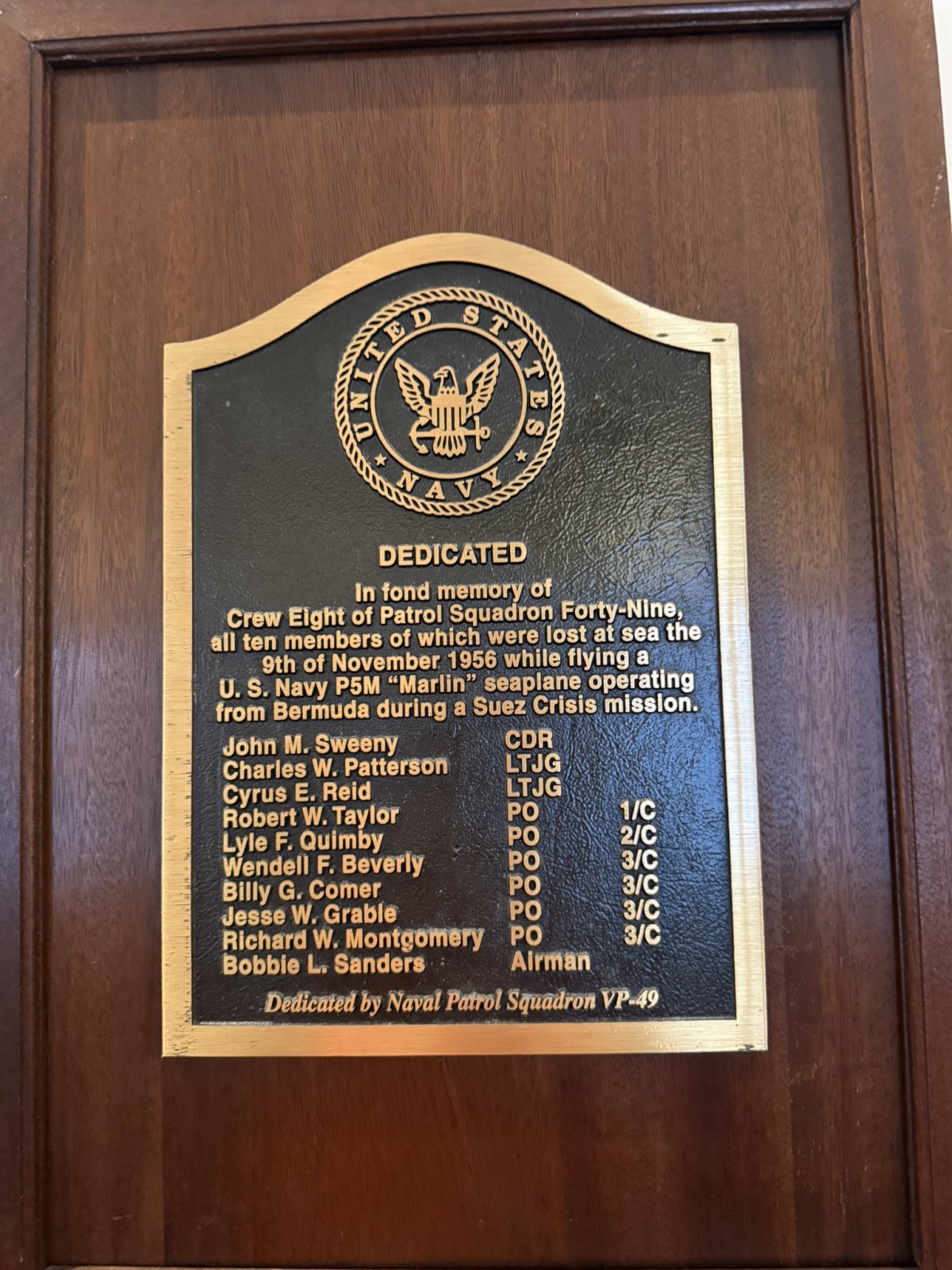
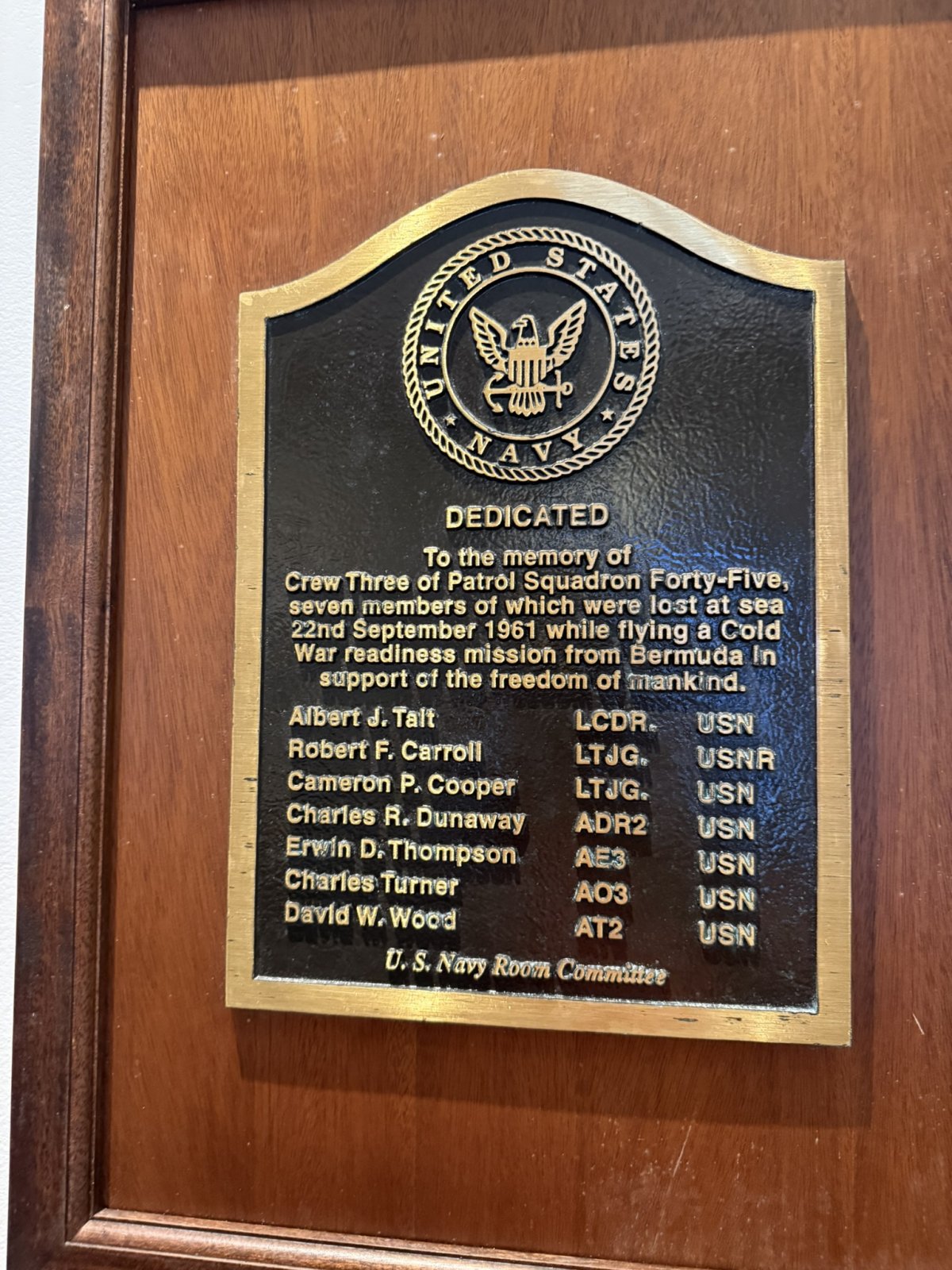
My old squadron VP-45 also lost a Marlin in 1961.
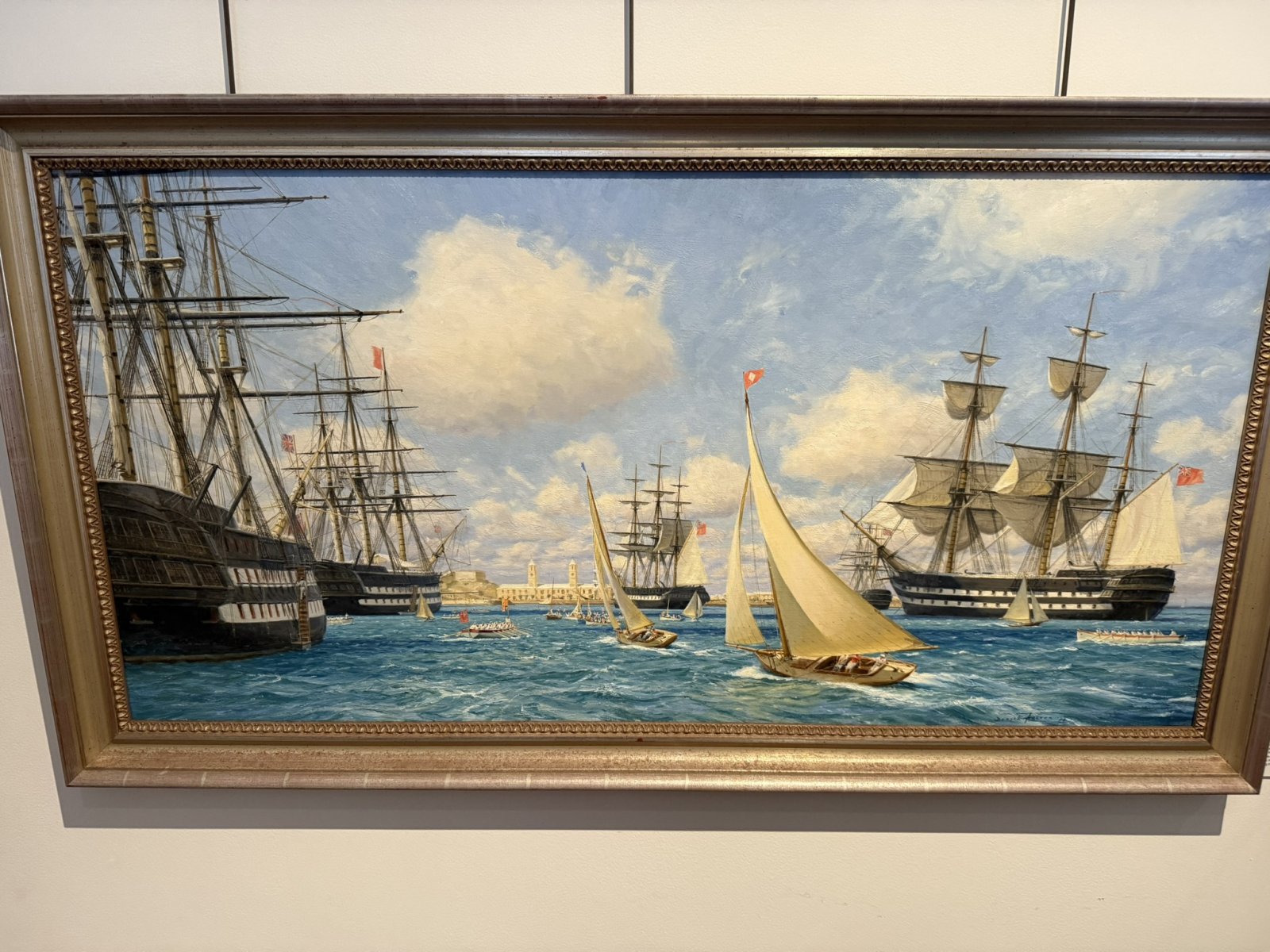
A painting titled The Royal Naval Fleet at Anchor in Grassy Bay, 1861, painted by Deryck Foster in 1986. Most of these ships had auxiliary steam engines as well as sail.
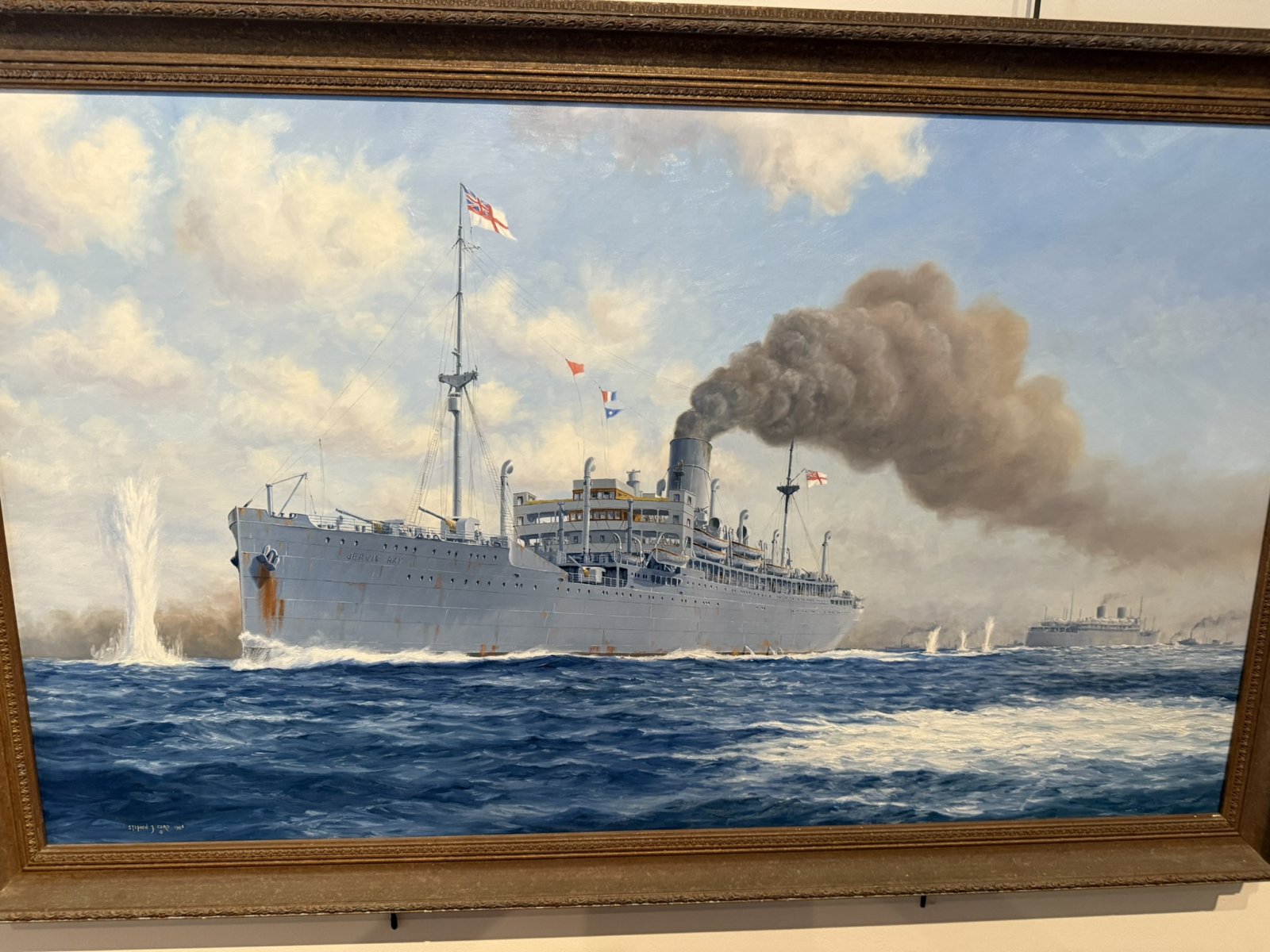
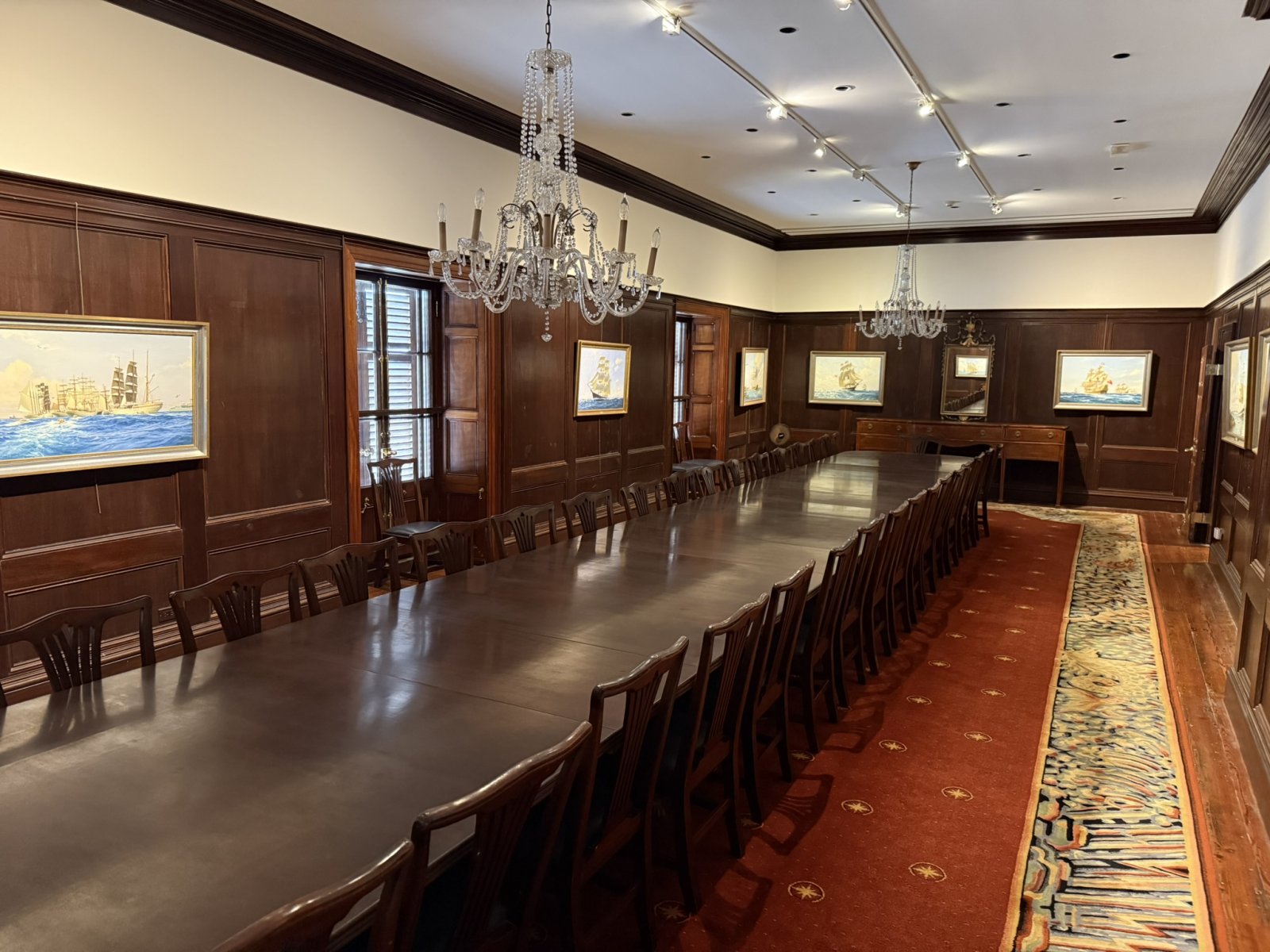
The Commissioner must have had some large meetings. Nice room, though.
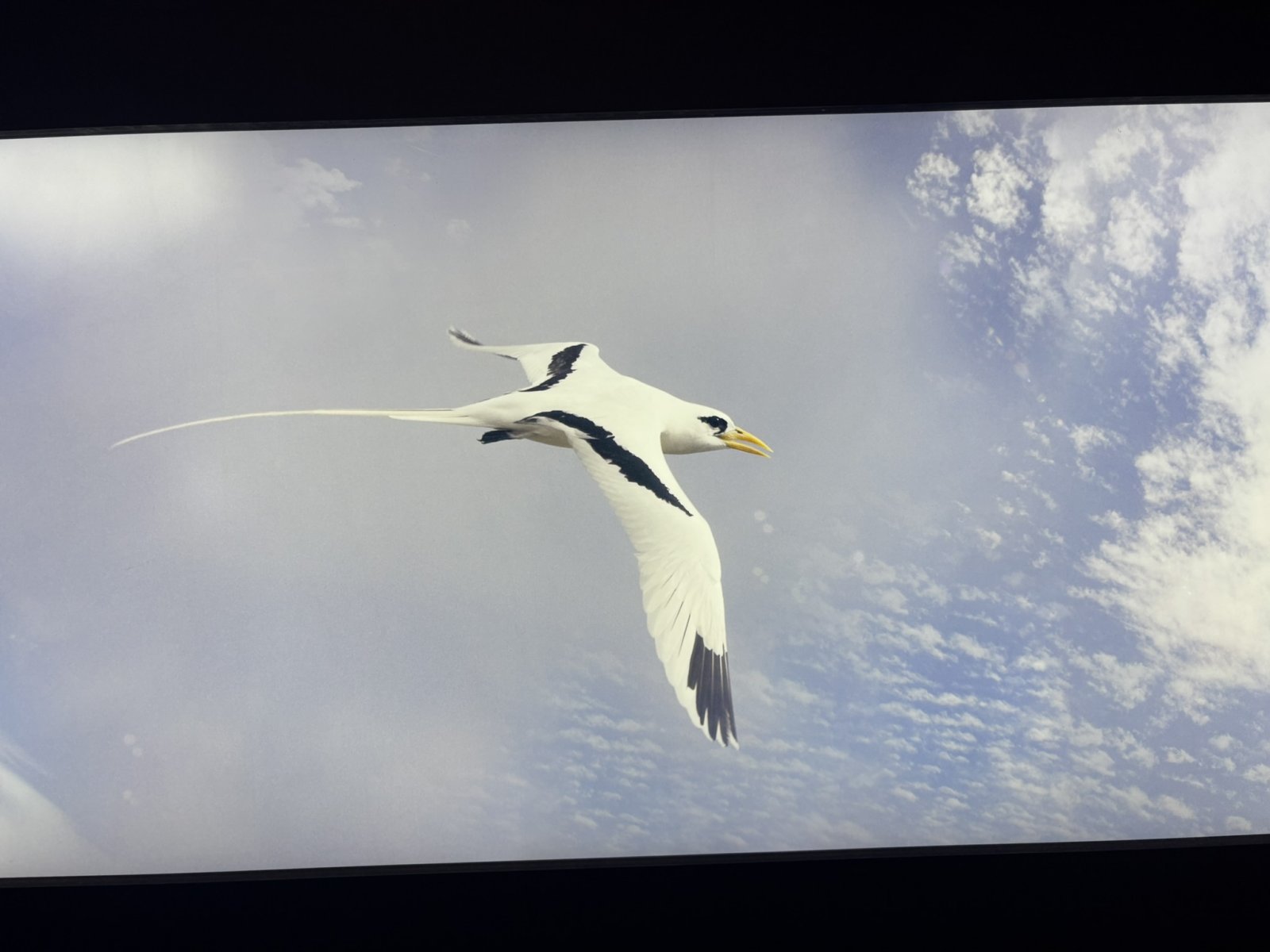
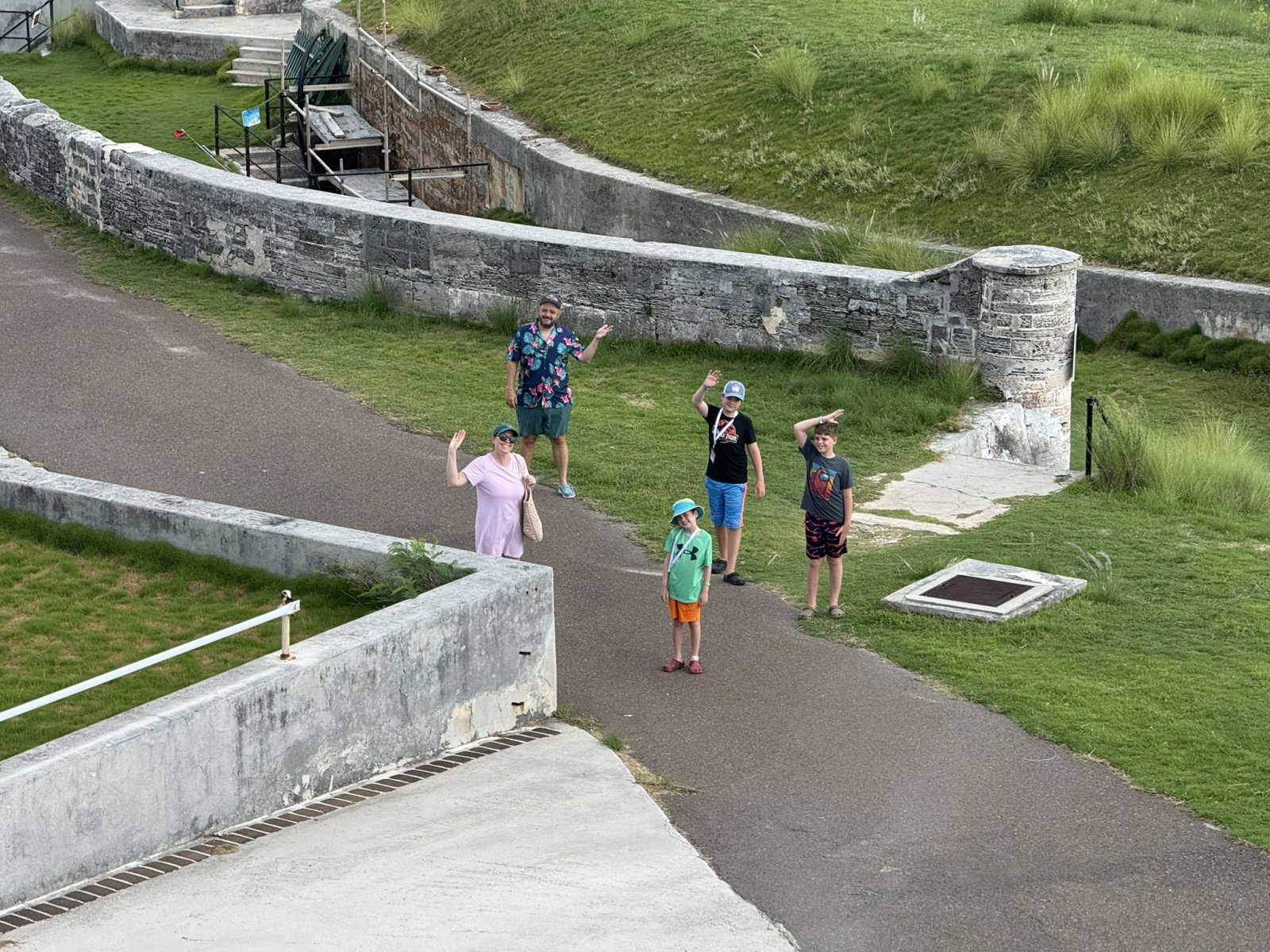
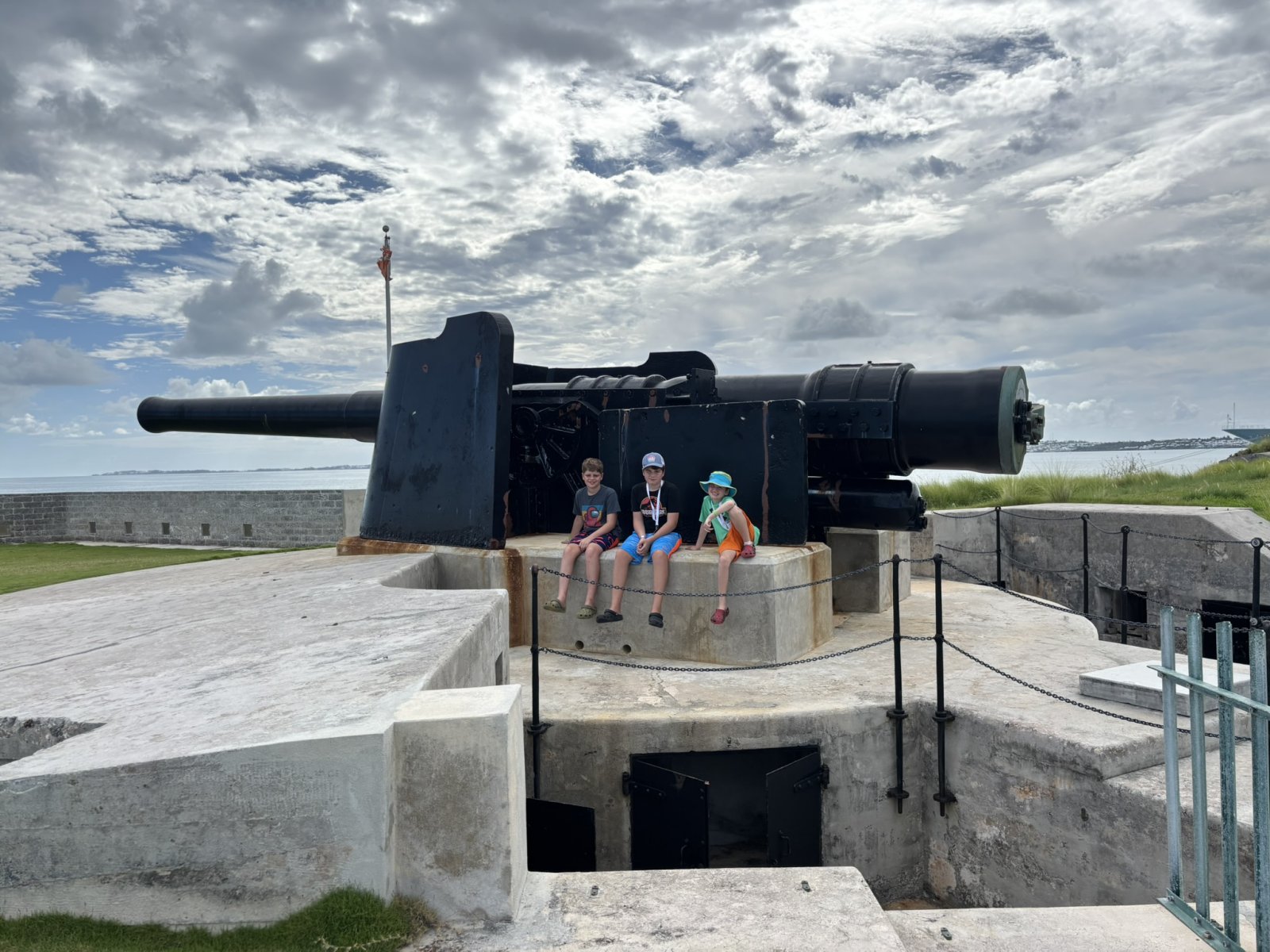
Hey I know those dudes!
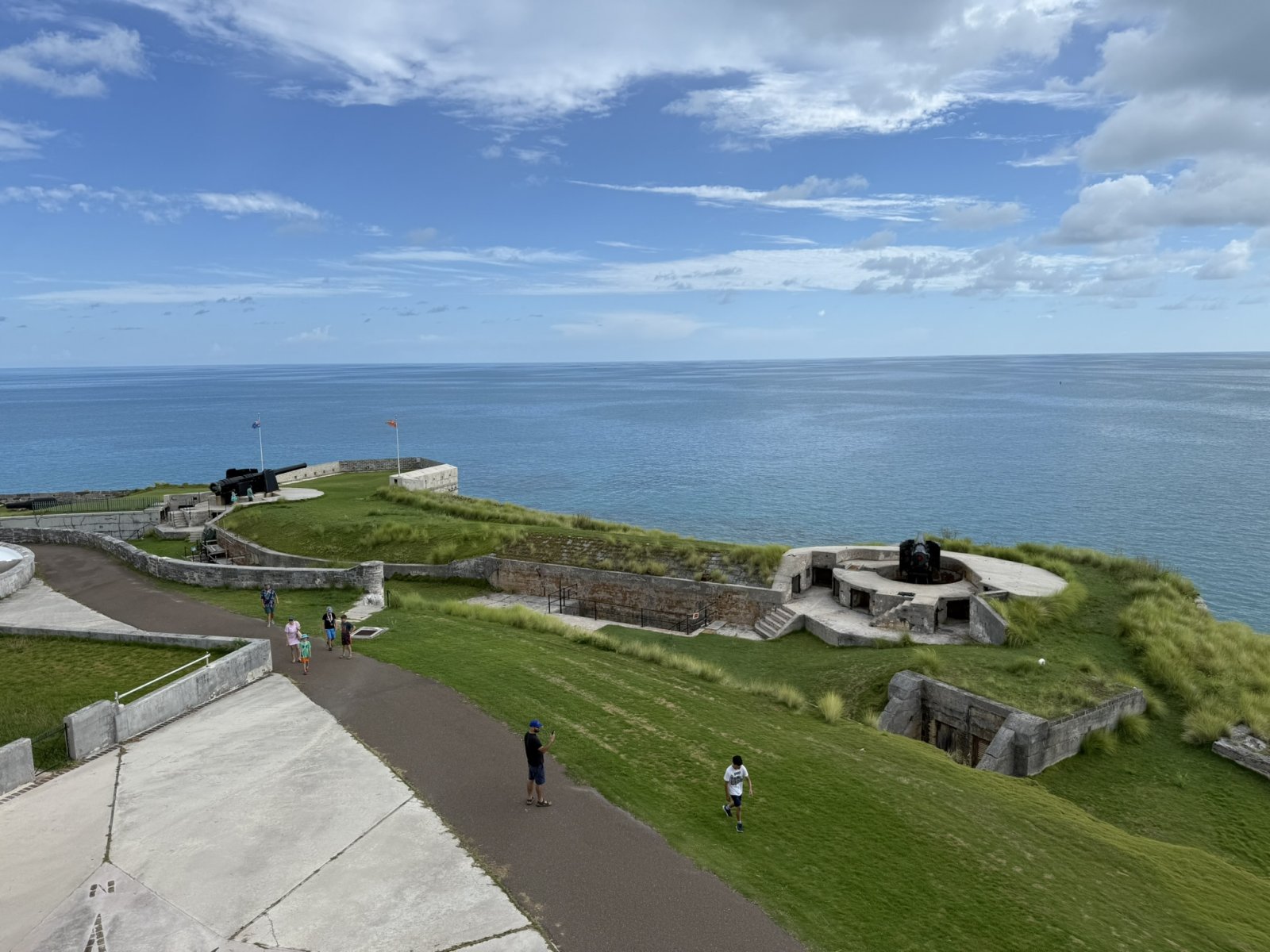
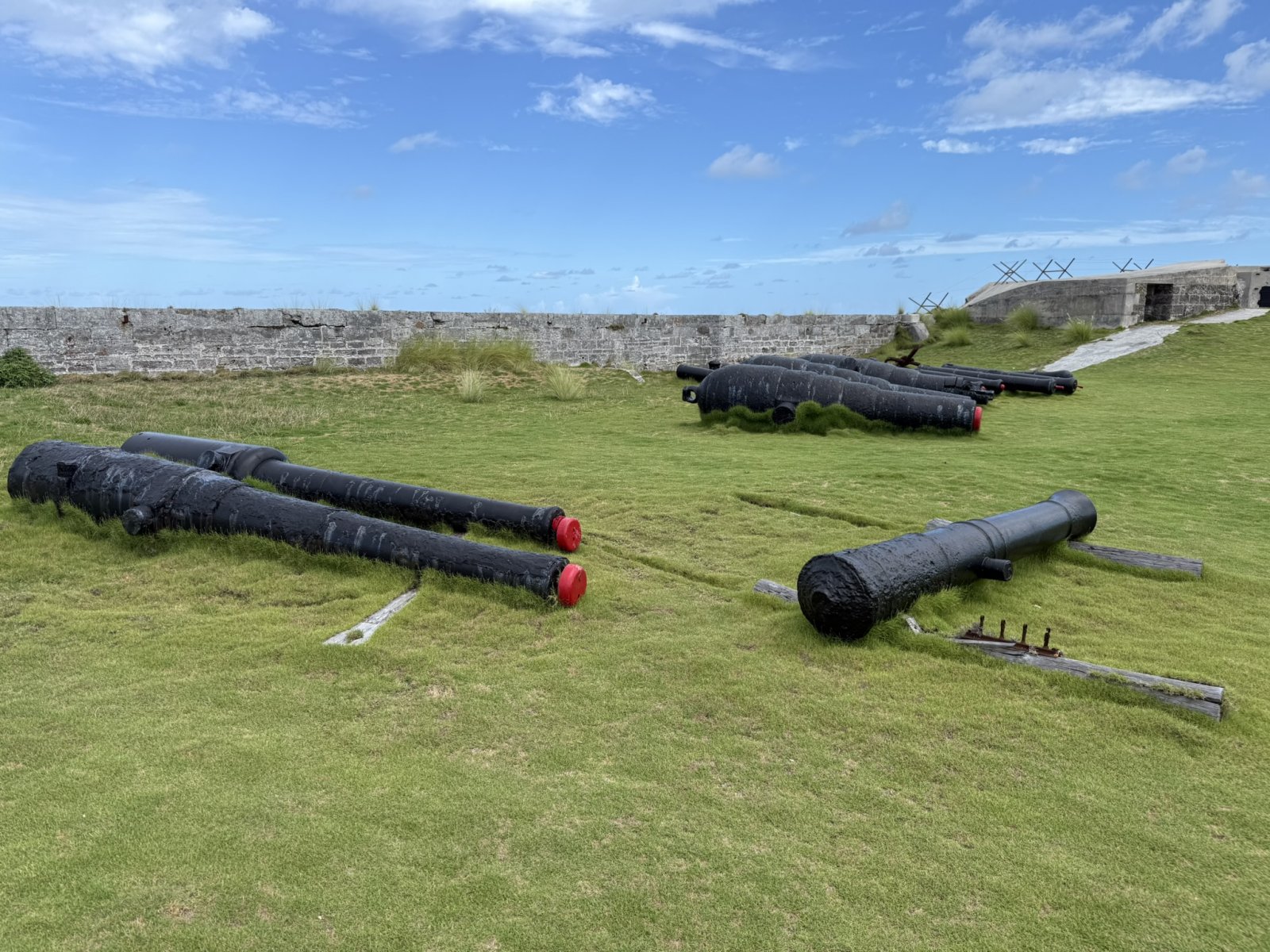
Cannons laying about in the grass.
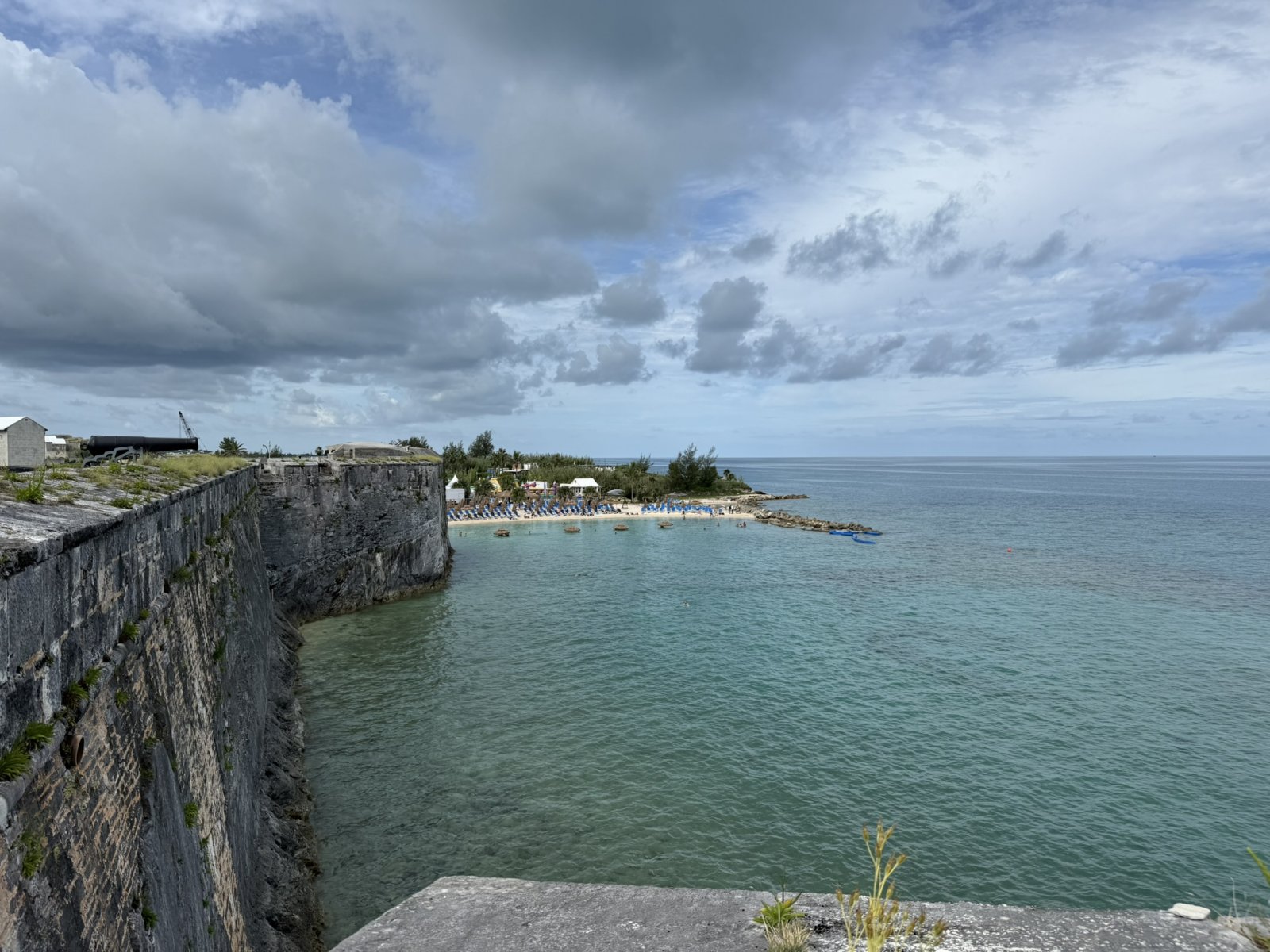
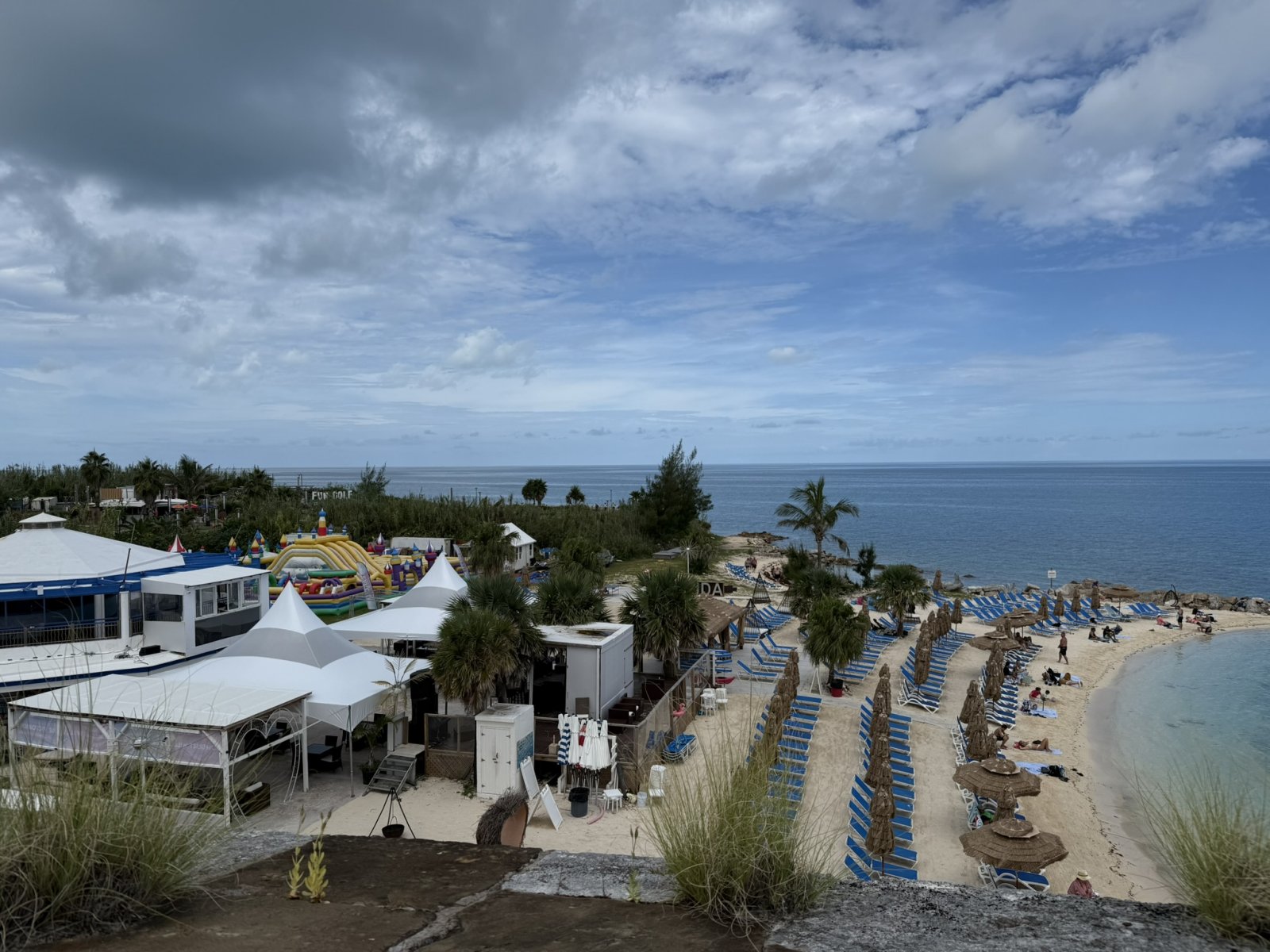
On the other side of the Keep is Snorkel Park Beach where you pay a certain amount and can partake in all the activities there are to do.
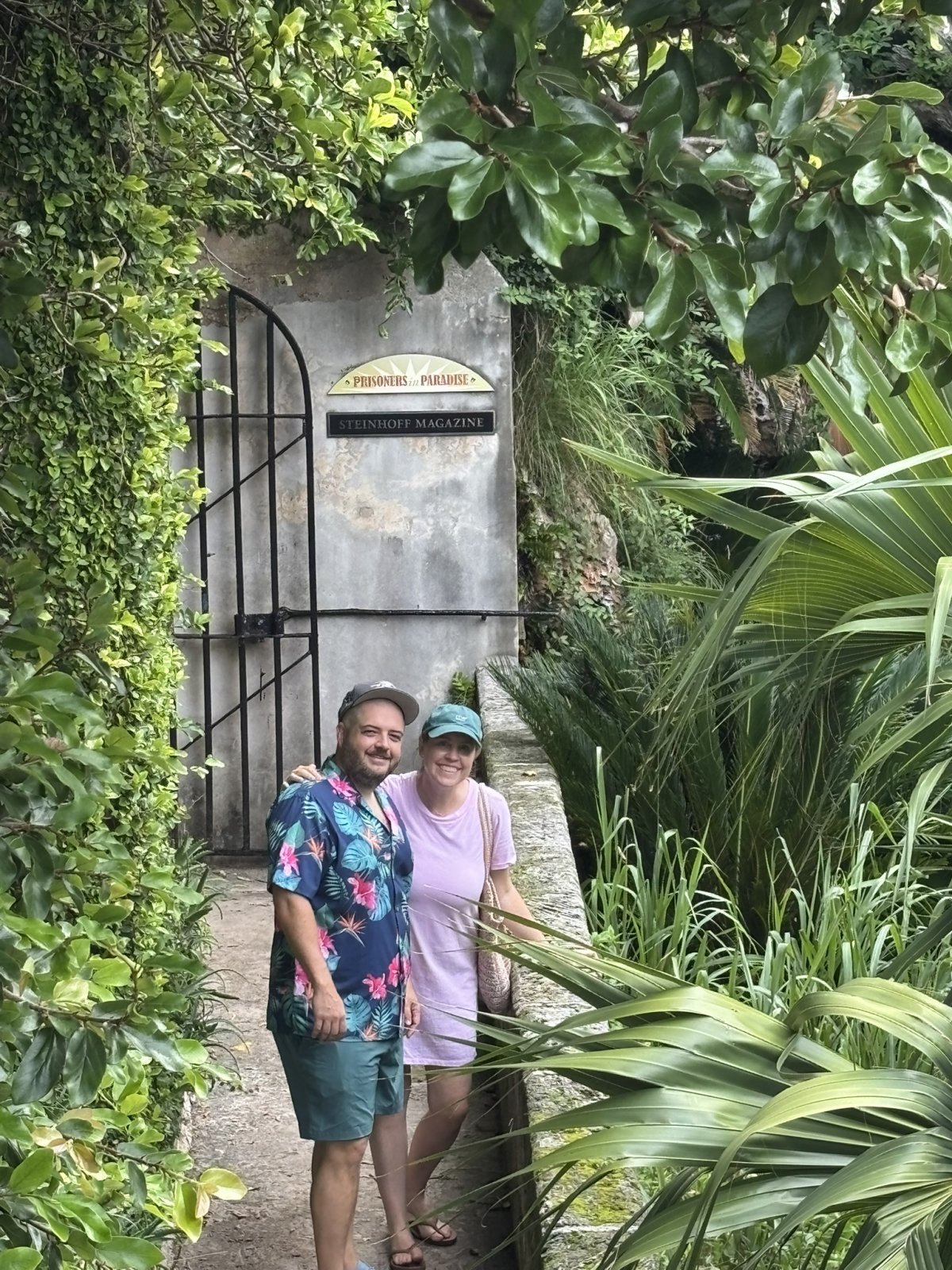
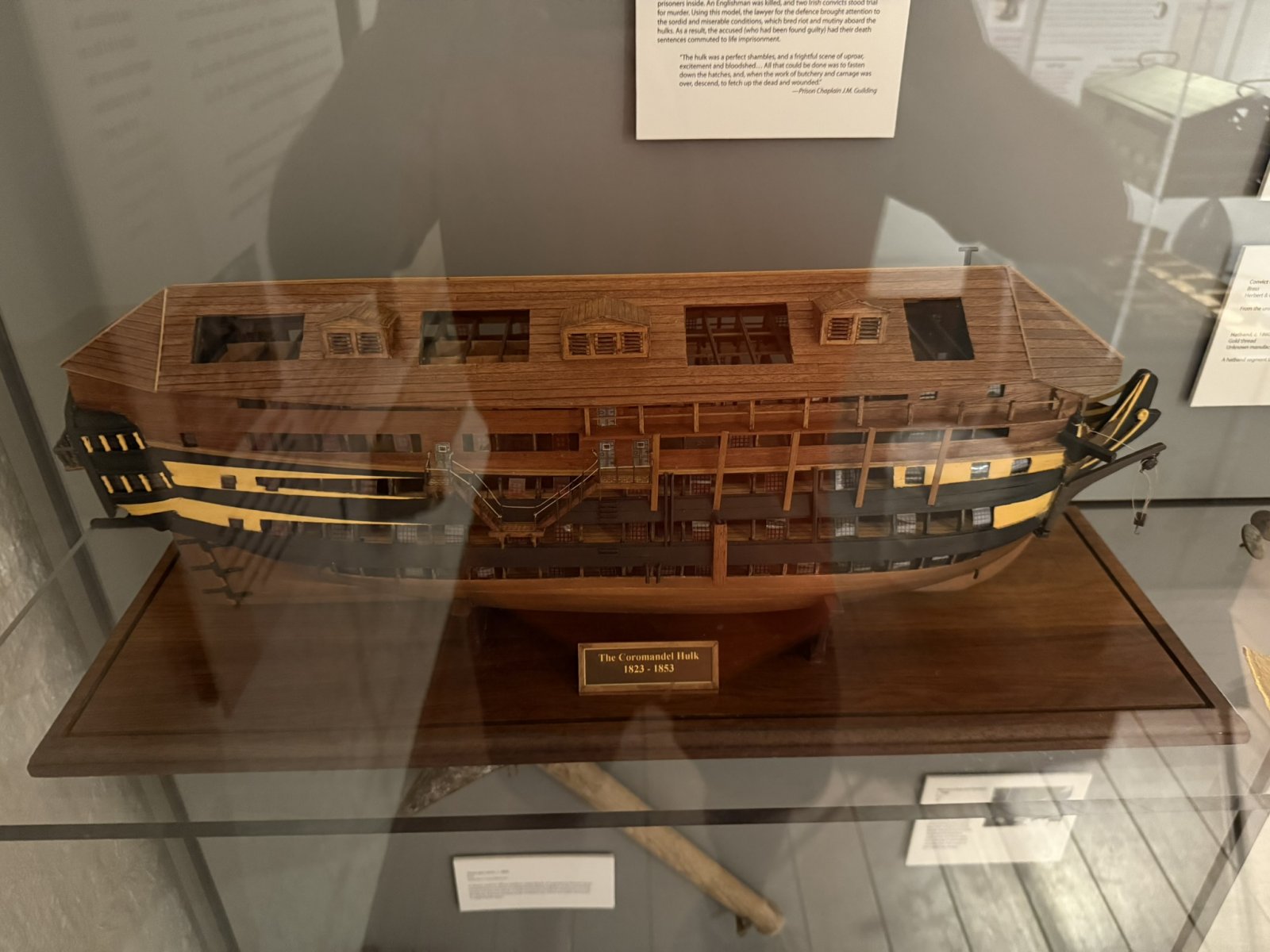
The British kept prisoners of war in prison hulks. The hulks were not a place you wanted to be.
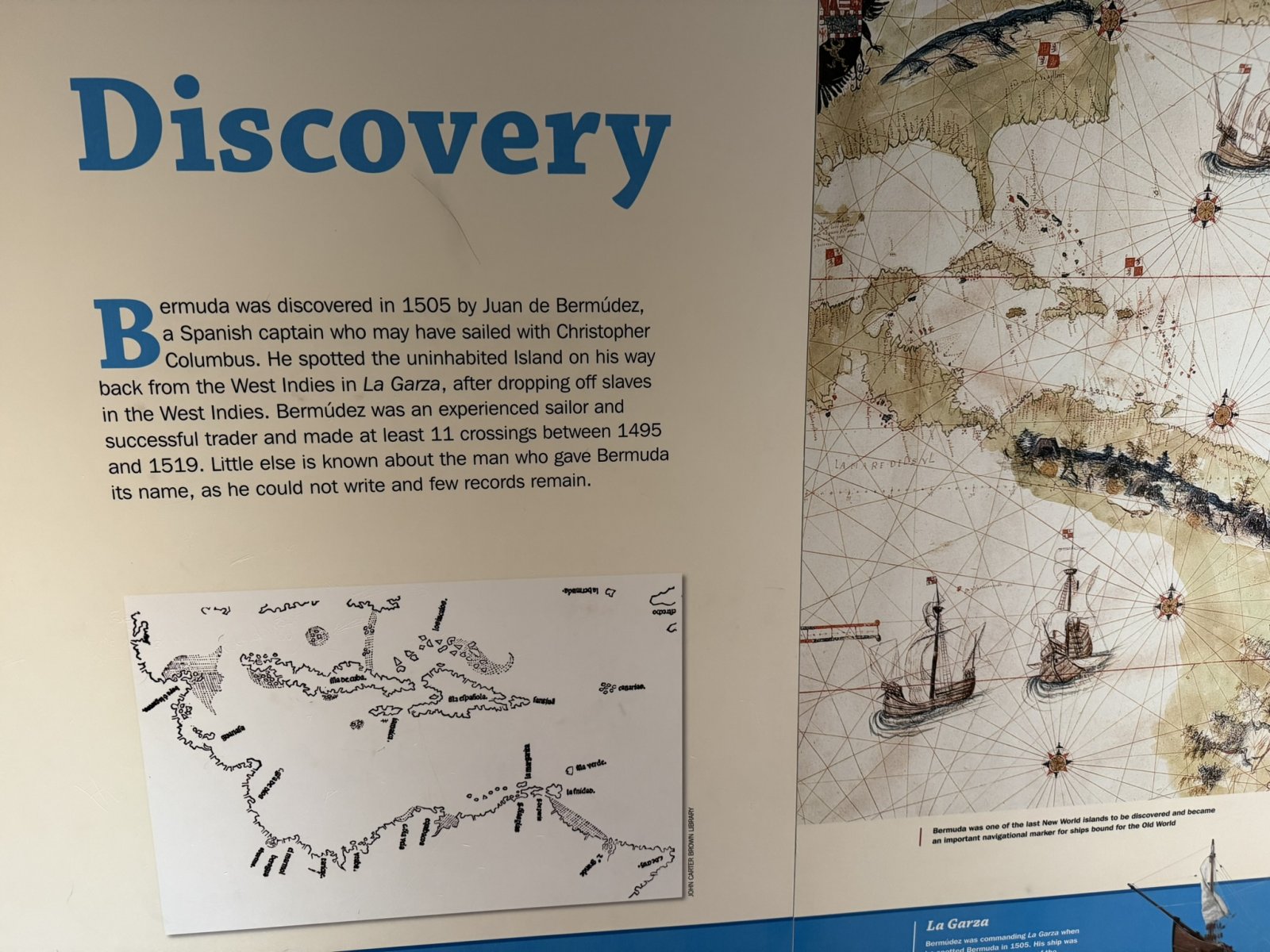
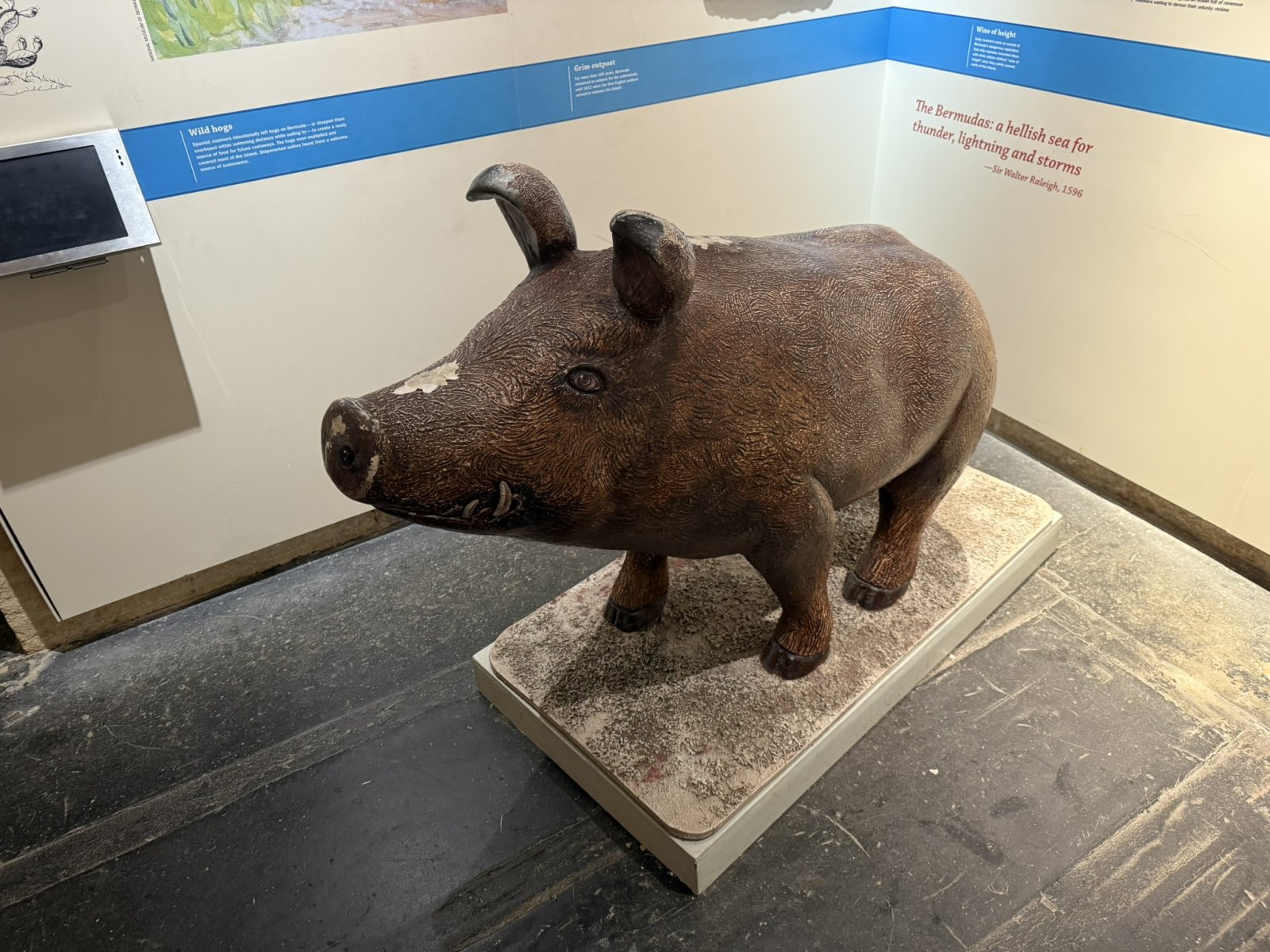
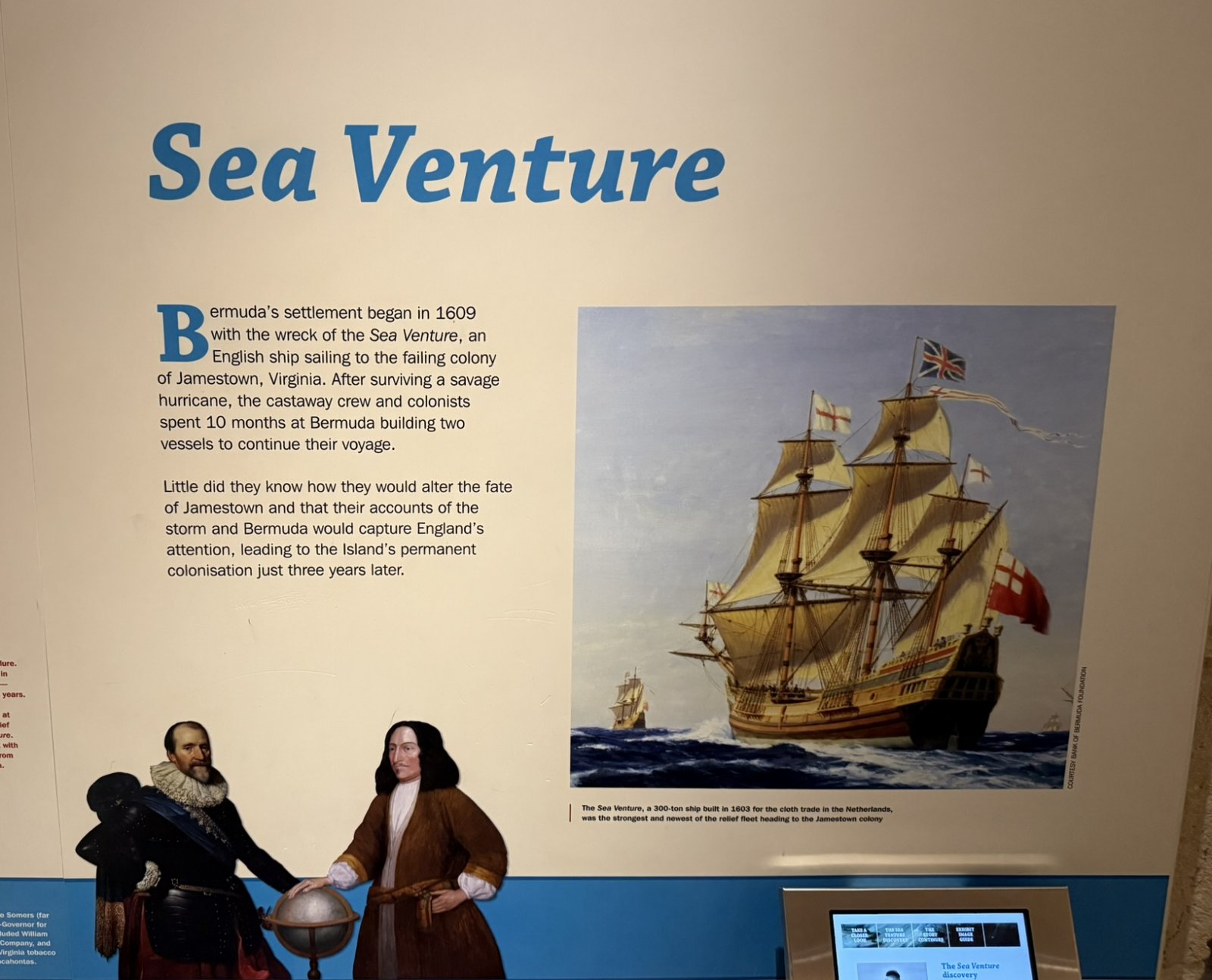
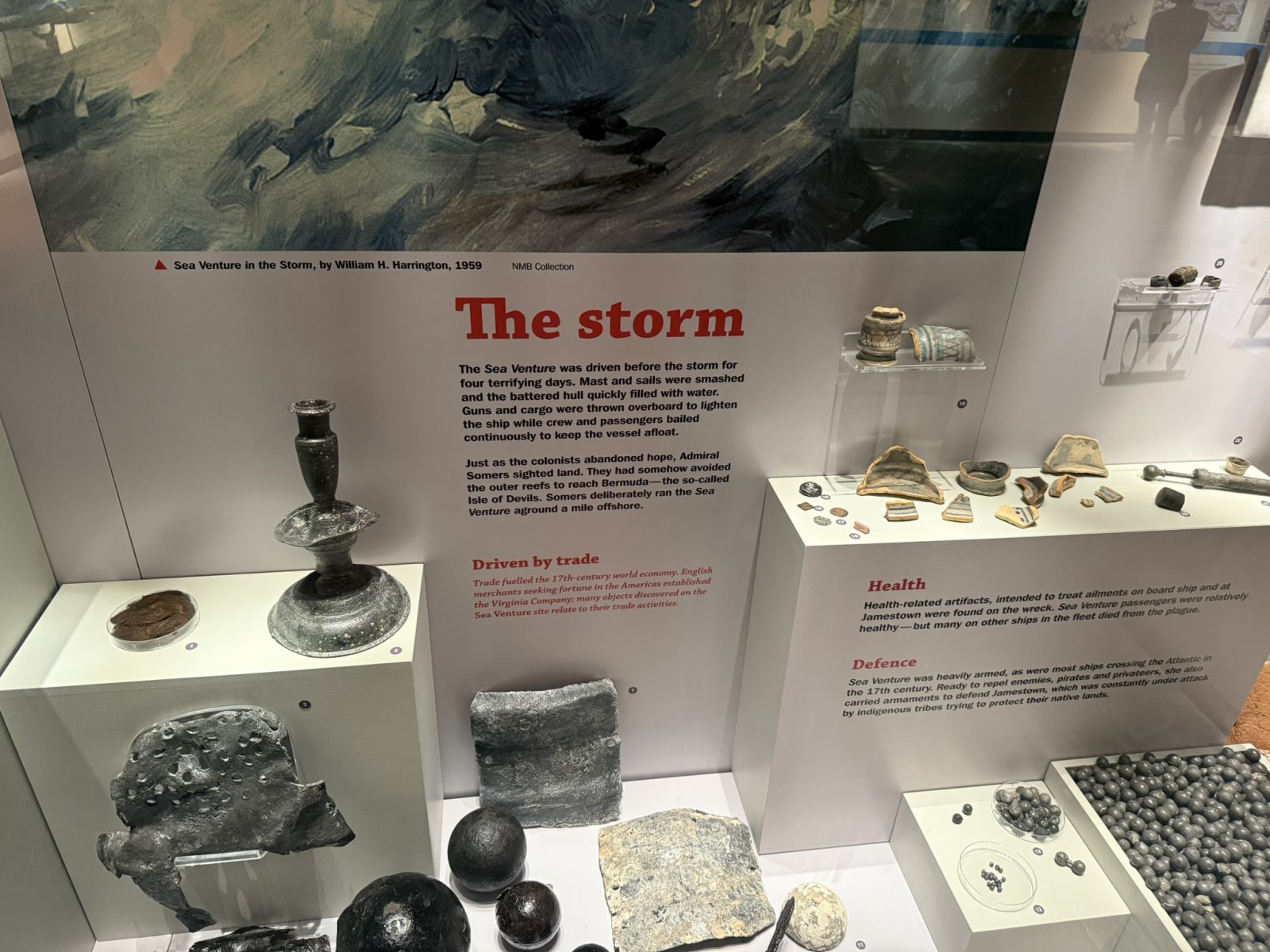
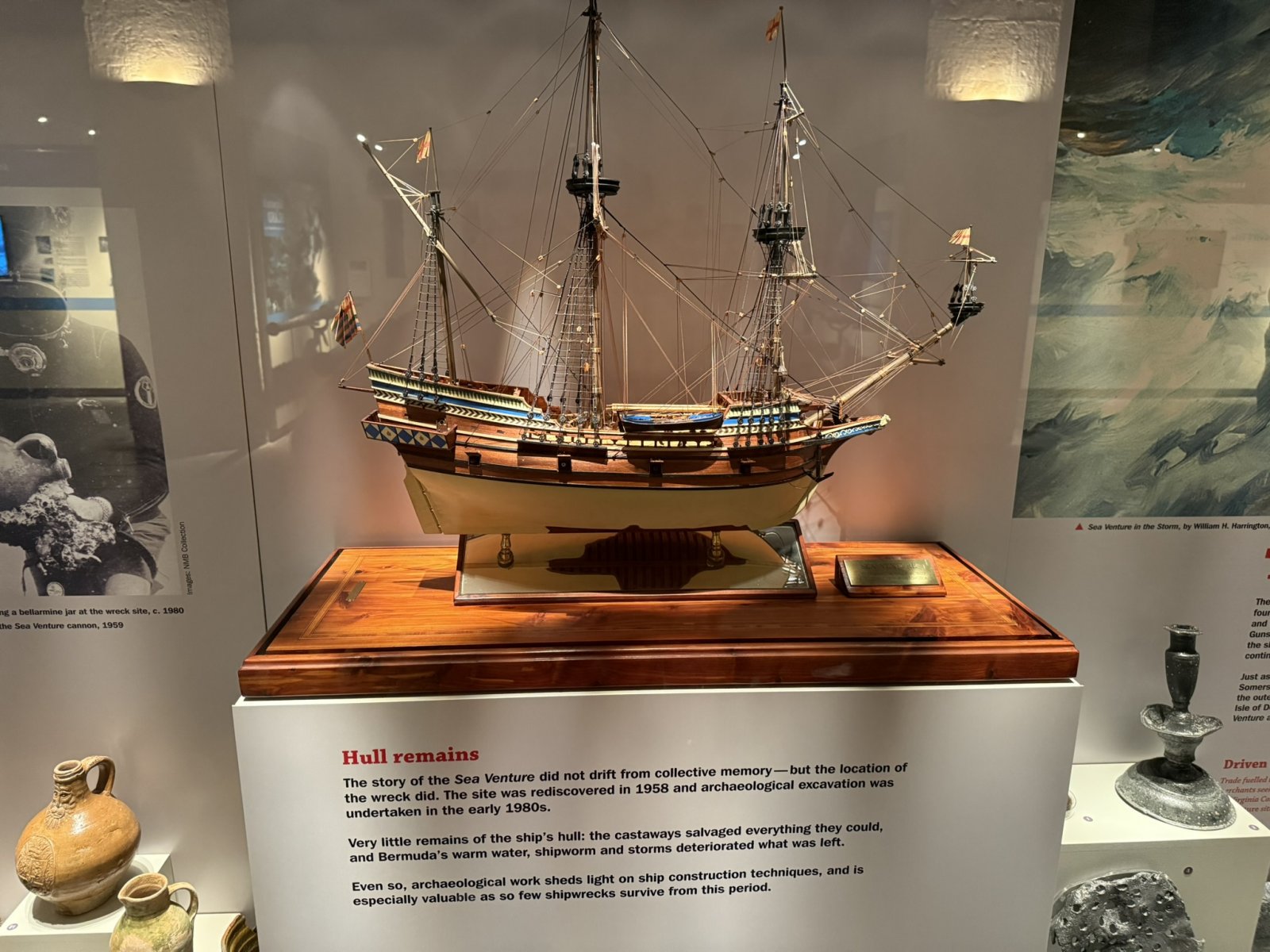
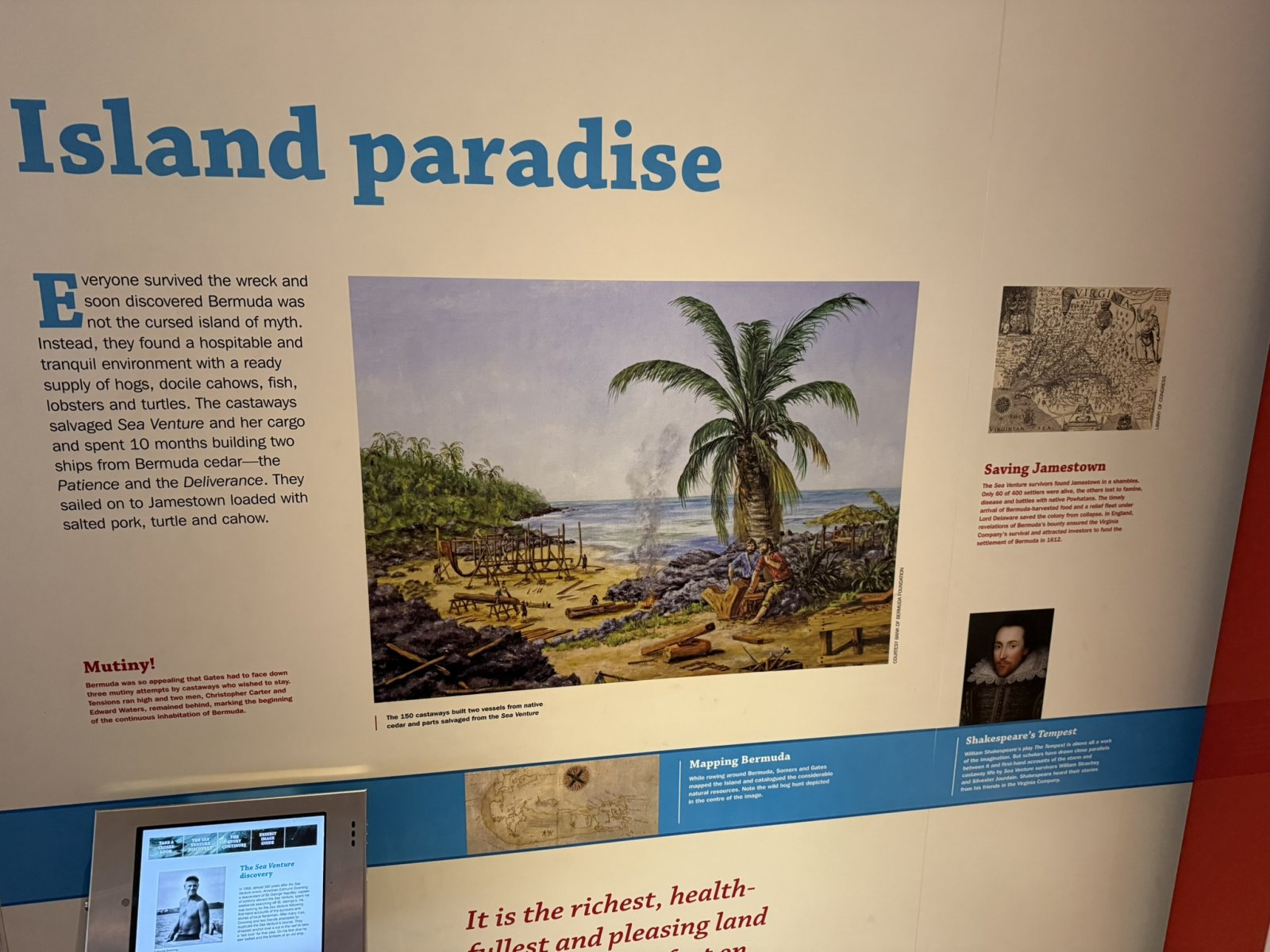
We discovered the Museum's Annex and learned about Bermuda's fascinating early history.
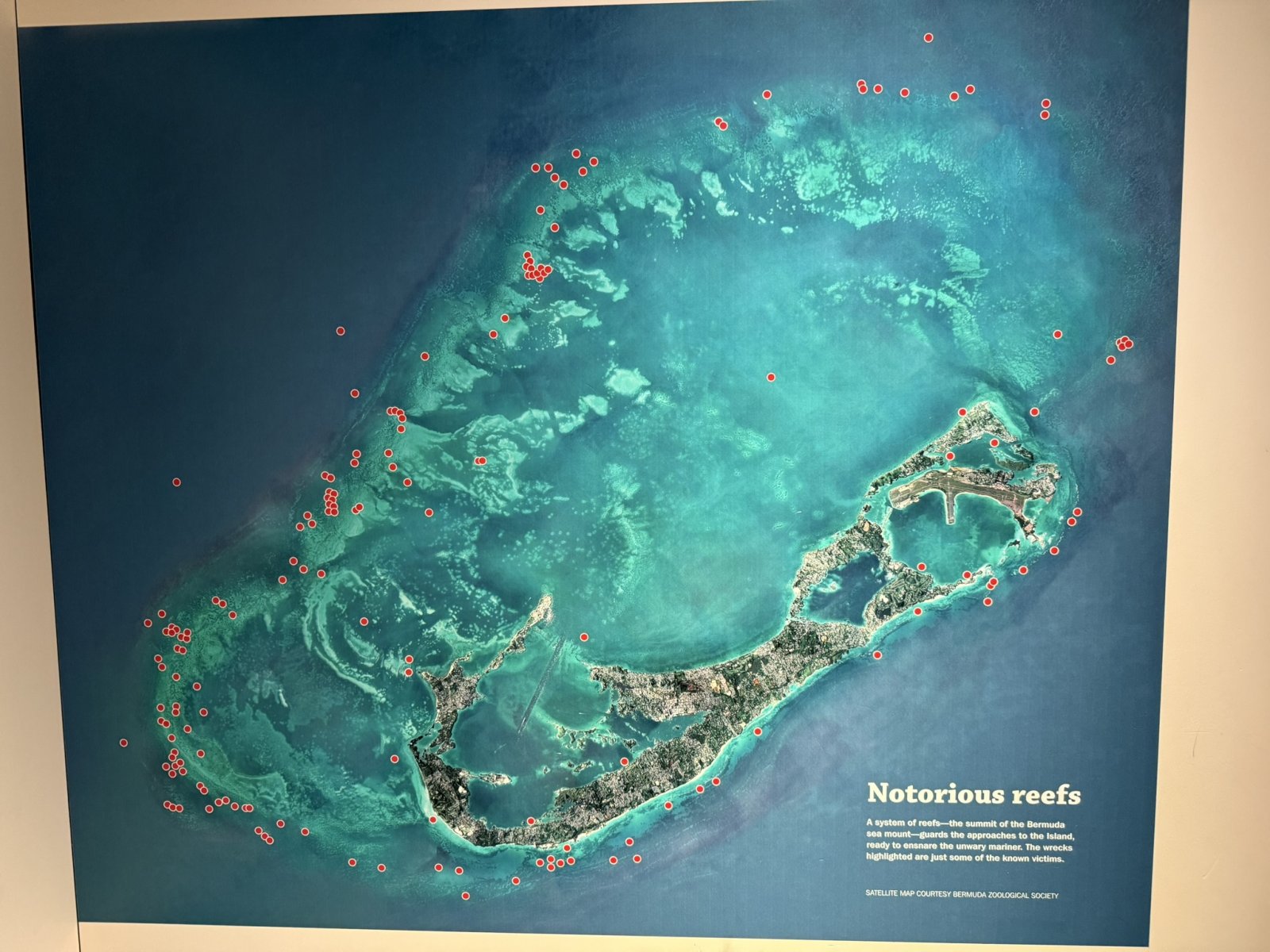
This satellite map shows why the Vision of the Sea approached Bermuda from the east. I guess threre are no passages through the reef for a big ship from the west and north. There is only the one passage just north of Fort St. Catherine's.
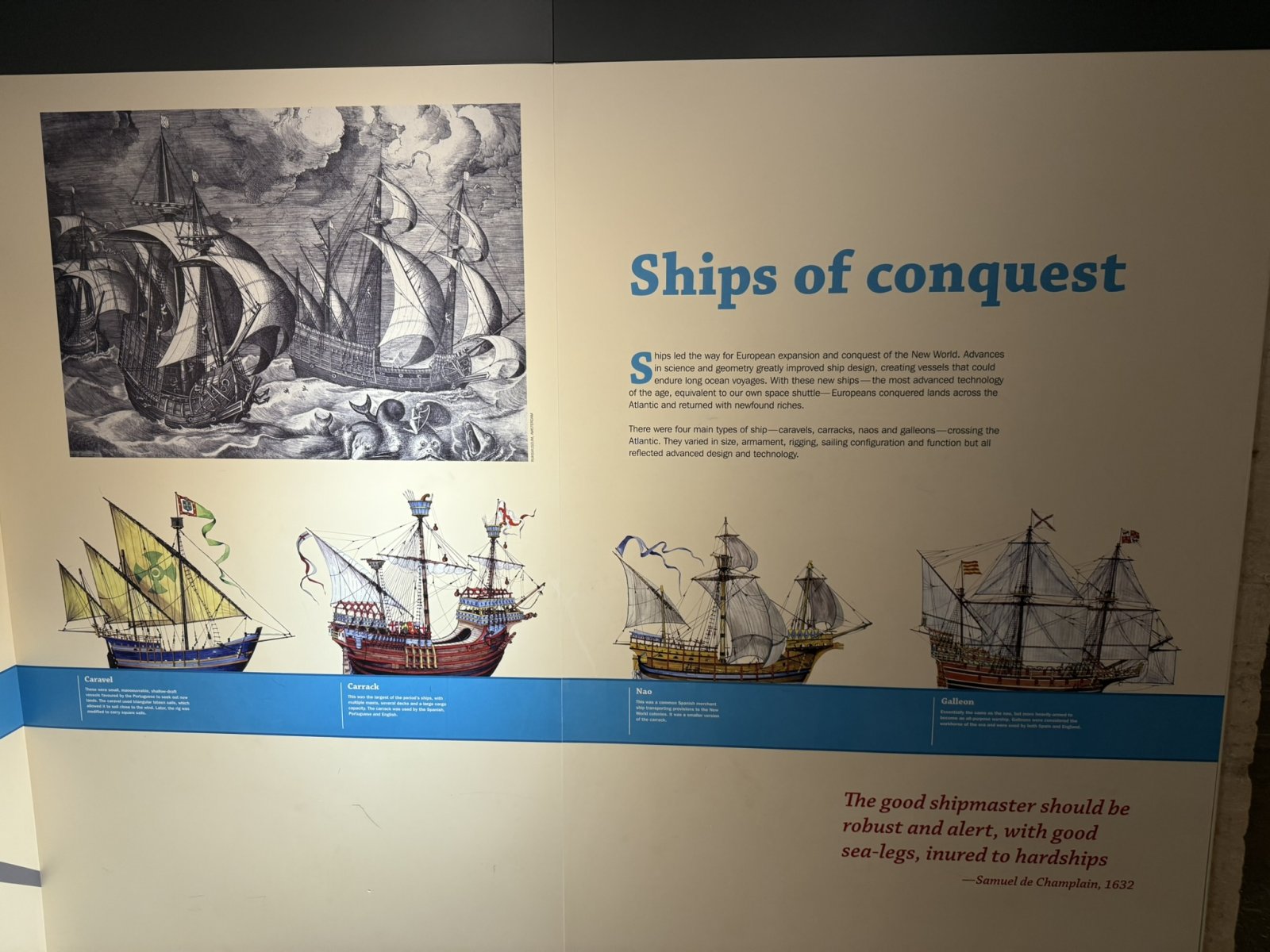
Wooden ships and iron men.
Outside the museum annex.
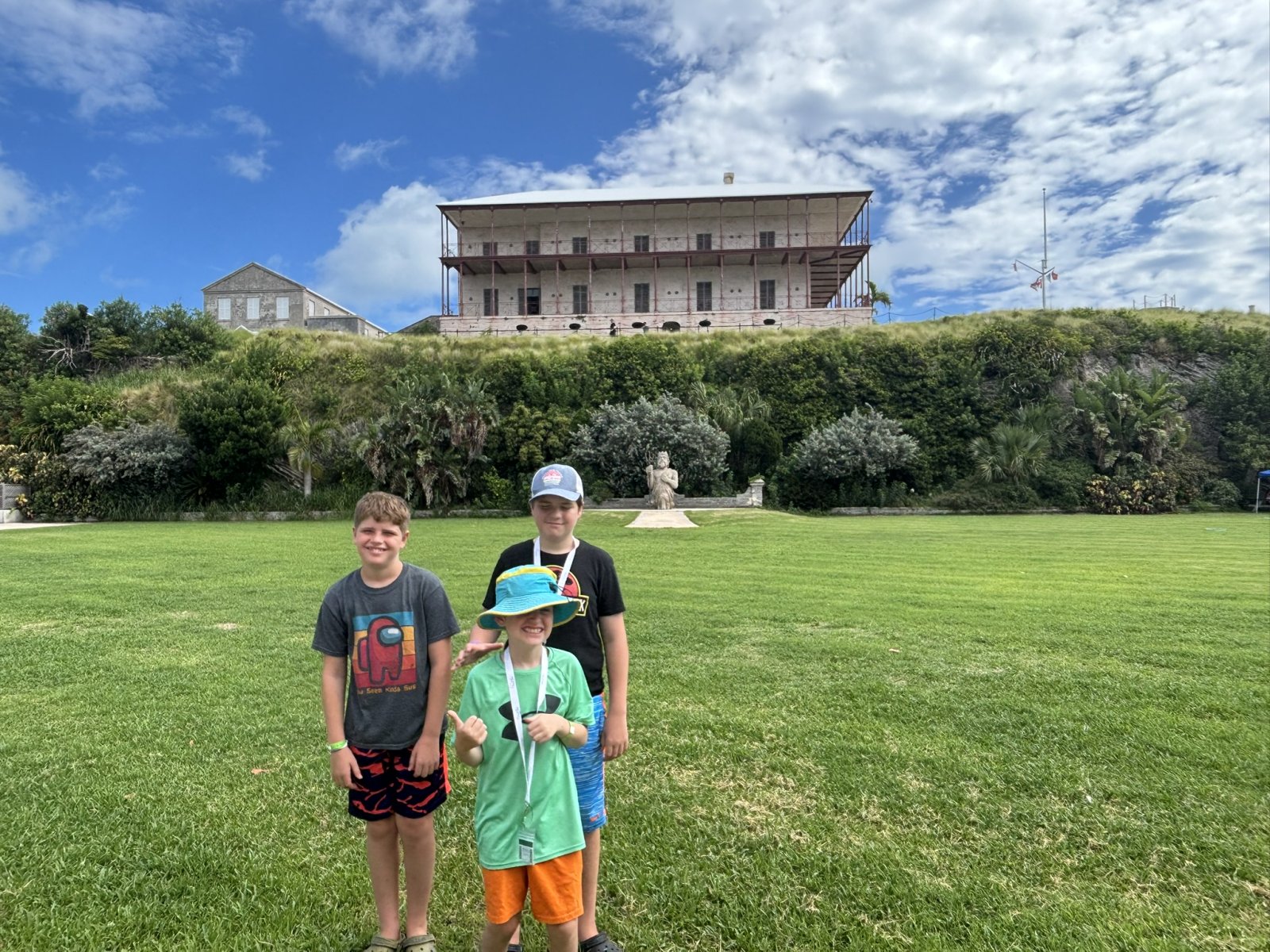
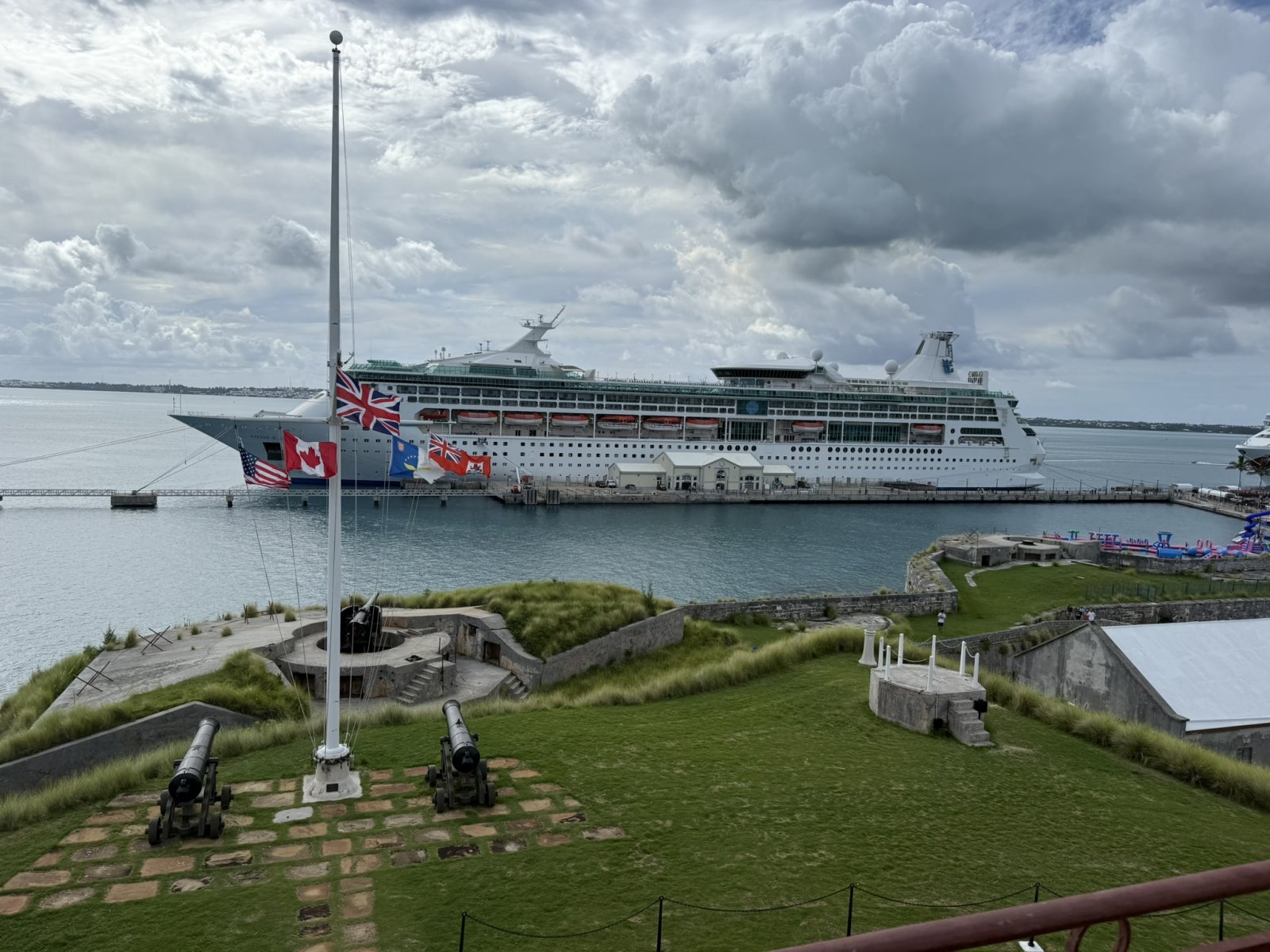
All too soon it was time to return to the ship.
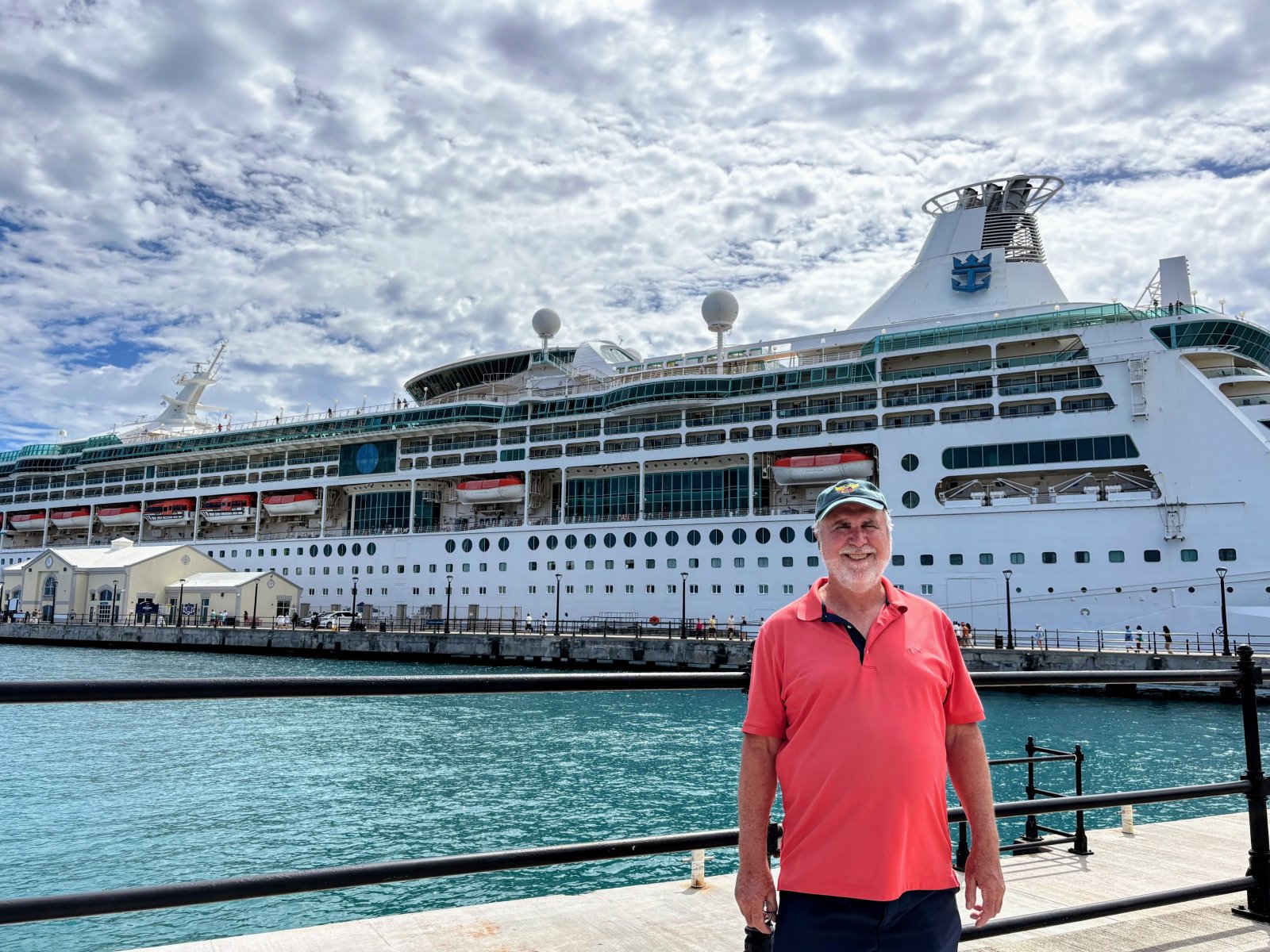
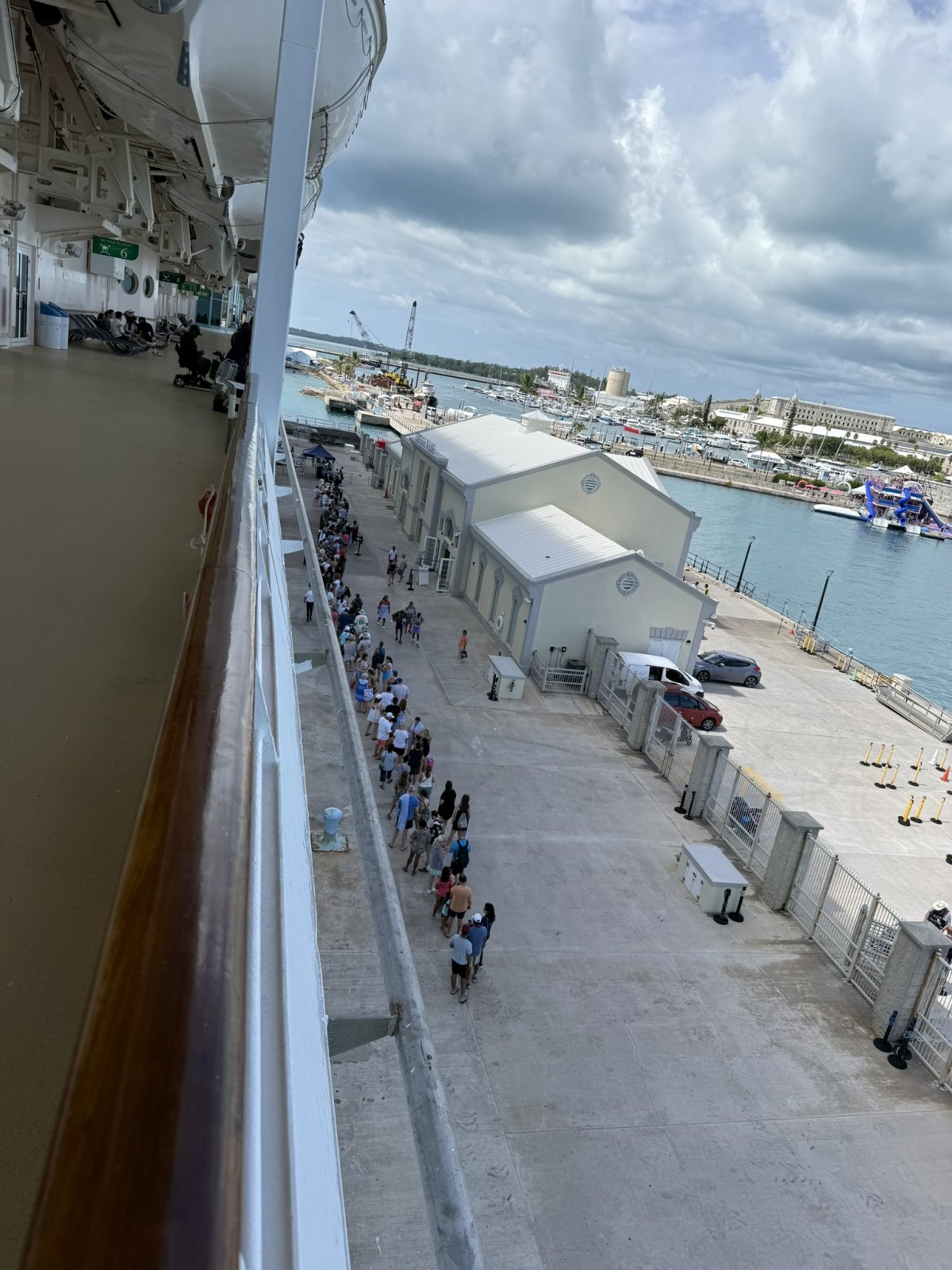
Underway!